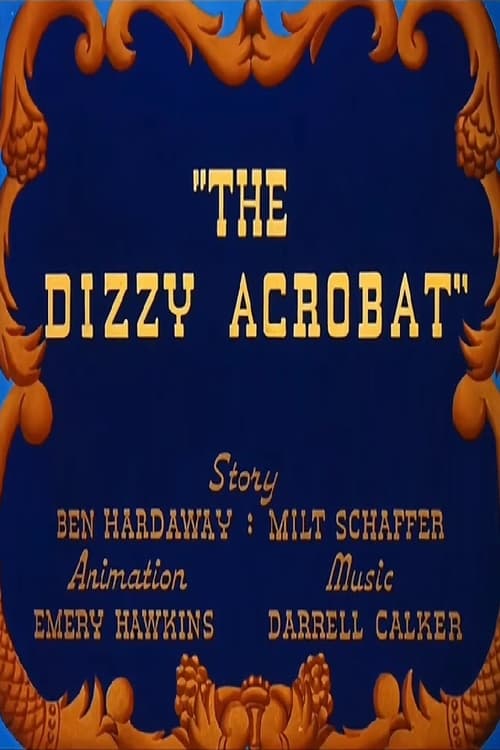
The Dizzy Acrobat
1943
No user ratings available yet
Diversity score: 1.6 out of 10

1942
NRDirector
Alex Lovy
Runtime
7 minutes
Average Rating
No ratings yetSynopsis
Woody Woodpecker is a stable boy. The stables are located right in an airfield, and the sound of airplanes droning around only fuels his lust to fly. "I want to fly like the birds!" declares the woodpecker. But the only thing the bulldog sergeant on the airfield feels Woody is competent for is clipping the horses with an electric clipper. And considering that Woody accidentally allows the clipper to clip off the sarge's shirt buttons and a long strip of hair off his chin, he may be giving Woody too much credit. Nevertheless, Woody spends his time reading "How to Fly a Plane from the Ground Up." And eventually, he sneaks onto a PU-2.
Overall Score
Limited
Category Breakdown
LGBTQ+ Representation
The film lacks LGBTQ+ characters or narratives addressing non-cisnormative identities. The focus remains strictly on the protagonist's personal ambitions and physical comedy.
Gender Representation
The story centers on male archetypes, featuring Woody Woodpecker and a bulldog sergeant. Conflict arises from the tension between an ambitious underdog and a rigid authority figure.
Racial & Ethnic Diversity
The cast consists of homogeneous, anthropomorphic animals within an airfield setting. There is no evidence of racial blending or diverse ethnic representation in the characters.
Religious & Cultural Diversity
The narrative follows mid-century Western ideals of merit and personal ambition. Woody seeks to transcend his social station through individual study and effort.
Disability Representation
There is no information regarding the portrayal of physical or neurodivergent disabilities in this short.
Strengths
Areas for Improvement
AI Analysis
Ace in the Hole is a quintessential mid-century slapstick short that prioritizes physical gags over social complexity. The narrative is driven by Woody Woodpecker's desire to fly, set against the backdrop of a rigid airfield hierarchy. The film relies on traditional masculine archetypes and a standard aspirational structure. It functions within a conventional framework that does not engage with intersectional identities or the disruption of social hierarchies. Ultimately, the work reflects the era's focus on individual agency and broad comedic tropes rather than diverse or subversive storytelling.
1943
1933
1942
1950
1932
1942
1942

1942
1945
1936
1947
1940
No reviews yet. Be the first to share your thoughts on this movie!
Use the rating form above to leave a star rating and optional review.