
Jasper and the Choo-Choo
1942
No user ratings available yet
Diversity score: 2.3 out of 10
1942
ApprovedDirector
George Pal
Runtime
8 minutes
Average Rating
No ratings yetSynopsis
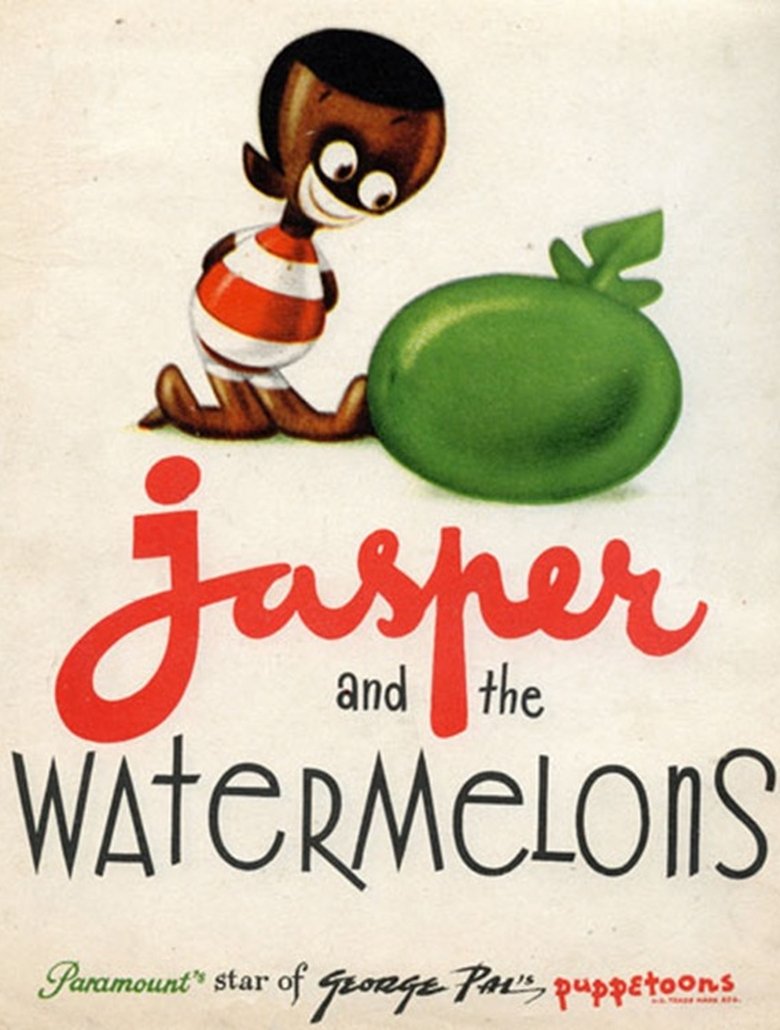
Jasper's desire for a ripe, red watermelon leads him to fabulous Watermelonland where he meets adventures that lessen his desire for watermelon and increases his wish to be back in the security of his Mammy's arms.
Overall Score
Limited
Category Breakdown
LGBTQ+ Representation
The film lacks LGBTQ+ characters or non-cisnormative identities. The narrative focuses on a singular protagonist and a maternal figure within a traditional framework.
Gender Representation
Gender roles rely on classical archetypes. The protagonist's resolution centers on seeking maternal nurturing and domestic stability rather than subverting traditional feminine roles.
Racial & Ethnic Diversity
The use of the term 'Mammy' and the thematic focus on returning to a maternal embrace suggest reliance on regressive racialized tropes common to 1942.
Religious & Cultural Diversity
The story prioritizes Western values of domesticity and the sanctity of the maternal bond. It reinforces traditional social structures rather than exploring subversive themes.
Disability Representation
There is no mention of characters with visible or invisible disabilities. No such characters serve as narrative drivers or plot devices.
Strengths
Areas for Improvement
AI Analysis
Jasper and the Watermelons is a product of its 1942 production era, reflecting the social constraints and narrative tropes of the time. The film follows a traditional quest structure that ultimately reinforces established social hierarchies. The narrative architecture prioritizes domestic security and maternal comfort over individualistic exploration. This focus, combined with specific linguistic cues, suggests a reliance on non-subversive character archetypes. Ultimately, the film functions to uphold traditional family structures and gendered archetypes rather than challenging them through diverse or intersectional storytelling.
1942
1946
1945
1945
1947
1943

1944

1947
1950
1951
1938
1940
No reviews yet. Be the first to share your thoughts on this movie!
Use the rating form above to leave a star rating and optional review.