Happy Landing
1949
No user ratings available yet
Diversity score: 1.8 out of 10
No Poster Available
1942
ApprovedDirector
Alex Lovy
Runtime
7 minutes
Average Rating
No ratings yetSynopsis
Andy Panda is helping his pop out in his blacksmith shop and expresses a desire of his to shoe a horse. Pop tells him he couldn't even shoe a fly (laughs!!!) and decides to prove it to him by taking him up on the offer... namely by disguising himself as a horse (named Charlie) to fool his son. Andy agrees to shoe "Charlie" but the plan goes awry when all manner of disaster befalls the disguised pop culminating in his swallowing several magnets. The magnets within him attract first a heavy anvil and then a pile of burning hot horseshoes! Eventually the disguise comes off and Andy promptly shoes the disguise (thinking it's still Charlie) and proudly tells Pop, "Told ya I could shoe a horse!" Pop, still fleeing the horseshoes, asks Andy, "Tell your mom I won't be home for dinner!"
Overall Score
Minimal
Category Breakdown
LGBTQ+ Representation
The narrative focuses exclusively on a paternal relationship. There is no evidence of non-cisnormative gender identities or queer subtext within the story.
Gender Representation
The film centers on a male-dominated professional sphere. While a mother is mentioned, she remains a passive, off-screen figure within a traditional masculine dynamic.
Racial & Ethnic Diversity
The characters are anthropomorphic pandas, which serves as a neutral medium. However, the setting reflects a homogeneous, Western-centric domesticity without diverse casting.
Religious & Cultural Diversity
The film reinforces traditional Western values regarding the nuclear family and manual labor. The humor relies on slapstick rather than any critique of social institutions.
Disability Representation
Physical distress from swallowing magnets is used purely as a situational slapstick device. This functions as a comedic punchline rather than a meaningful portrayal of disability.
Strengths
Areas for Improvement
AI Analysis
This 1942 short is a quintessential product of its era, relying on standard comedic tropes and traditional social hierarchies. The narrative is built around a father-son dynamic that reinforces mid-20th-century domestic norms. Representation is minimal, as the characters are anthropomorphic animals operating within a Western-centric framework. The film lacks intersectional complexity, focusing instead on physical comedy and established archetypes. While the animation provides classic slapstick entertainment, it does not challenge or subvert the social structures of the time, maintaining a very narrow scope of character identity.
1949
1940
1940
1941
1945
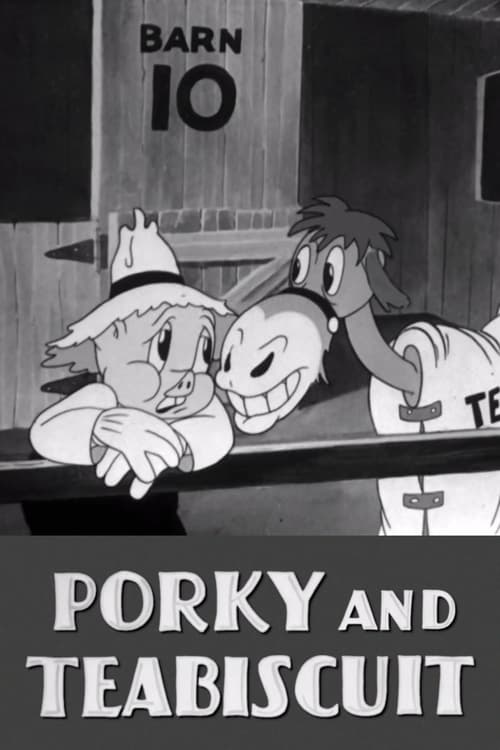
1939
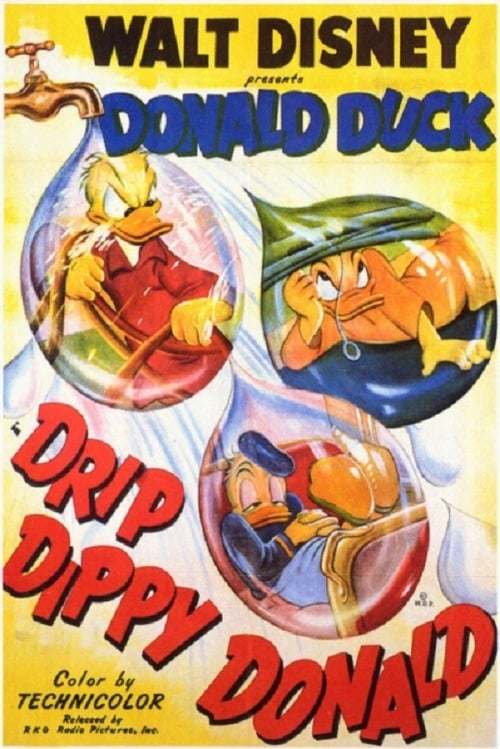
1948
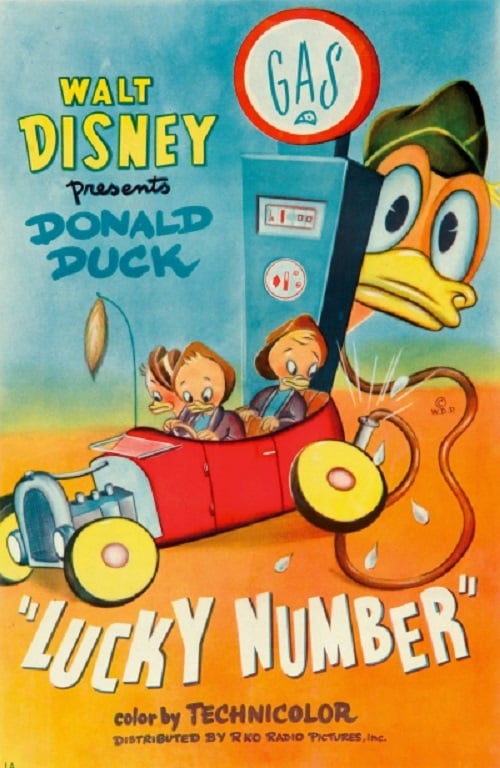
1951

1936
1968
1952
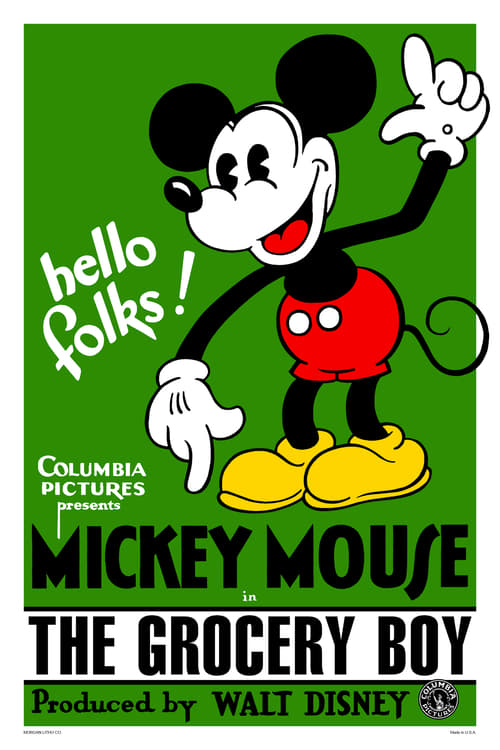
1932
No reviews yet. Be the first to share your thoughts on this movie!
Use the rating form above to leave a star rating and optional review.