Porky's Pet
1936
No user ratings available yet
Representation score: 0.9 out of 10
Representation Score
Minimal
1943
NRDirector
Alex Lovy
Runtime
7 minutes
Average Rating
No ratings yetNew Showbiz Analysis
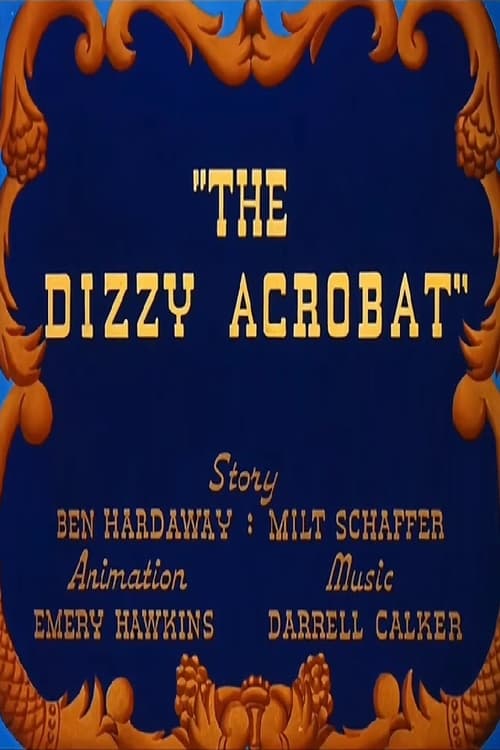
The Dizzy Acrobat is a quintessential example of mid-century slapstick animation. Its narrative structure emphasizes kinetic energy and physical humor over any form of social commentary. The film serves as a typical piece of character-driven comedy from the Walter Lantz studio era. Since the story centers on a single protagonist and a series of animal-based conflicts, it lacks the complexity needed to address overlapping aspects of identity. The world portrayed is homogeneous and traditional, offering no challenge to established social norms. Ultimately, the film is a product of its time, emphasizing individual mischief without addressing diverse human experiences.
Category Breakdown
The film focuses on Woody Woodpecker and various animal antagonists. It does not depict any non-traditional gender identities or same-sex relationships, sticking to the typical 1940s character types.
There are no female characters in the story. The conflict revolves around Woody and a circus guard, without any meaningful exploration of gender roles.
The cast includes anthropomorphic animals and a generic guard. There is no visible effort to include ethnic diversity in this traditional Western circus setting.
The story unfolds within a conventional commercial circus framework. It avoids engagement with religious or cultural themes, focusing instead on slapstick chaos and individual mischief.
No characters are shown with visible or invisible disabilities. The physical comedy relies on cartoon physics, avoiding engagement with neurodivergence or physical impairments.
Present on Screen
Limited or Absent
Official Synopsis
Woody Woodpecker visits the circus. Singing "I Went to the Animal Fair," he strolls through a tiger's cage. As Woody looks at a rhinoceros, the nearby lion eats Woody's hot dog. Woody gets revenge by putting the lion's tail in the bun; the lion eats his own tail. Woody next tries to sneak into the main tent, and the run-ins with the guard take up the rest of the cartoon. First, the guard tells Woody he can work for his admission by watering an elephant, but he's not pleased when Woody ties the elephant's trunk to a hydrant. The chase is on, leading into the lion tamer's cage, onto the trapeze, and bicycling across the tightrope. Both Woody and the guard end up as targets in the shooting gallery.
1936
1953
1946
1947
1932
1953
1943
1954
No reviews yet. Be the first to share your thoughts on this movie!
Use the rating form above to leave a star rating and optional review.