
Fraidy Cat
1942
No user ratings available yet
Representation score: 2.8 out of 10
Representation Score
Minimal
1949
NRDirector
William Hanna, Joseph Barbera
Runtime
8 minutes
Average Rating
No ratings yetNew Showbiz Analysis
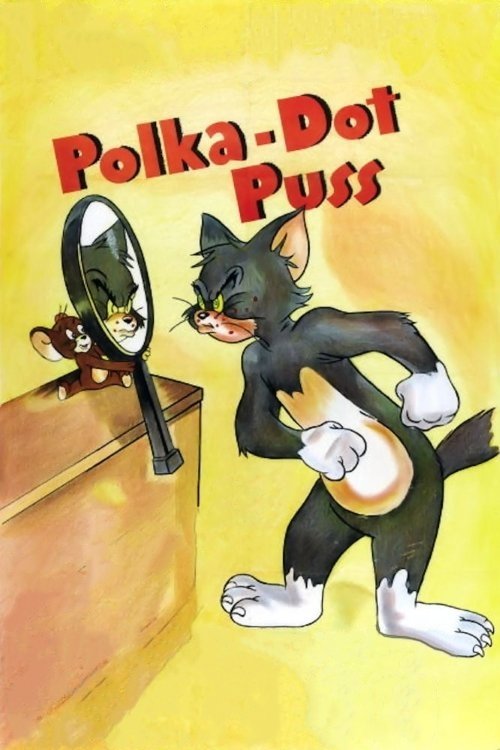
Polka-Dot Puss exemplifies mid-century slapstick animation, prioritizing physical comedy and character conflict over sociological critique or storytelling that reflects multiple aspects of identity. The film adheres to traditional frameworks, reinforcing the social structures and domestic hierarchies of its era. It does not challenge conventional clichés or explore complex identities. Ultimately, the narrative focuses on individual trickery and conflicts, rather than addressing systemic issues or diverse identities.
Category Breakdown
The film does not depict any LGBTQ+ identities or relationships. The interactions between Tom and Jerry are strictly predator-prey.
The movie relies on traditional gender roles where dominance and evasion are key themes. Mammy's role as a domestic figure reinforces mid-century stereotypes without questioning them.
The setting reflects the homogeneity typical of 1949, with Mammy portrayed as a domestic archetype that aligns with racialized clichés of the time.
The film promotes a traditional view of family life centered around a domestic, capitalist household. It does not challenge Western institutions or systemic power dynamics.
Illness is used as a comedic device and plot catalyst, lacking any nuanced portrayal of actual disability or lived experience.
Present on Screen
Limited or Absent
Official Synopsis
Tom pretends to have a cold in order to trick Mammy into letting him stay inside for the night. Jerry tricks Tom by making him think he really is sick - with the measles.
1942
1947

1947
1945
1944
1951
1946
1943
No reviews yet. Be the first to share your thoughts on this movie!
Use the rating form above to leave a star rating and optional review.