Mickey and the Seal
1948
No user ratings available yet
Representation score: 1.2 out of 10
Representation Score
Minimal
1958
NRDirector
Joseph Barbera, William Hanna
Runtime
6 minutes
Average Rating
No ratings yetNew Showbiz Analysis
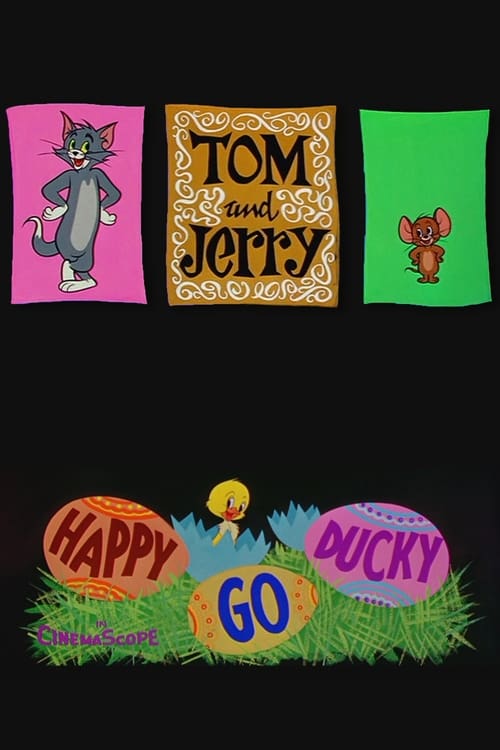
Happy Go Ducky is a traditional episodic comedy that relies on situational chaos and the 'unwanted guest' cliché. The plot is driven by physical movement and environmental interaction rather than character-driven ability to act or identity exploration. As a product of its era, the film uses a comedic framework that lacks intentionality regarding characters who reflect more than one aspect of diversity. It focuses on restoring order and avoiding responsibility.
Category Breakdown
The film does not include any characters with LGBTQ+ identities or same-sex relationships. The focus is on the comedic interactions between animal characters.
The movie follows traditional mid-century comedic structures. Conflict revolves around managing household space and dealing with a new arrival, following conventional clichés.
The story features anthropomorphic animals and does not include a human cast. There is no significant exploration of racial or multi-layered issues.
The film emphasizes traditional Western domestic life and portrays the home as a controlled environment. It prioritizes social stability and household management.
There are no characters with physical, sensory, or neurodivergent disabilities. Chaos in the story is driven by slapstick humor rather than disability.
Present on Screen
Limited or Absent
Official Synopsis
The Easter bunny brings an egg for Tom and Jerry that hatches into the little duckling. He keeps getting into water he shouldn't: the aquarium, water cooler, bathtub, sink, as the boys keep rescuing it. They try to give the duck back to the Easter bunny - no go. They leave it in the pond at the park and think they're home free, until the duckling brings his friends home.
1948
1952
1953
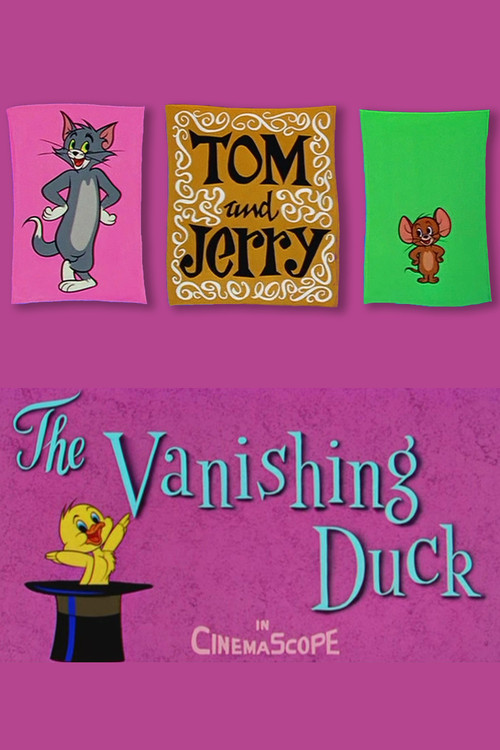
1958
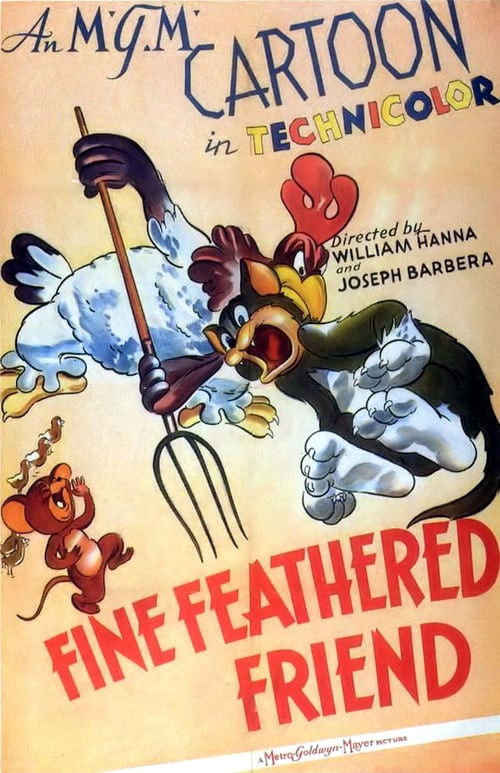
1942

1954
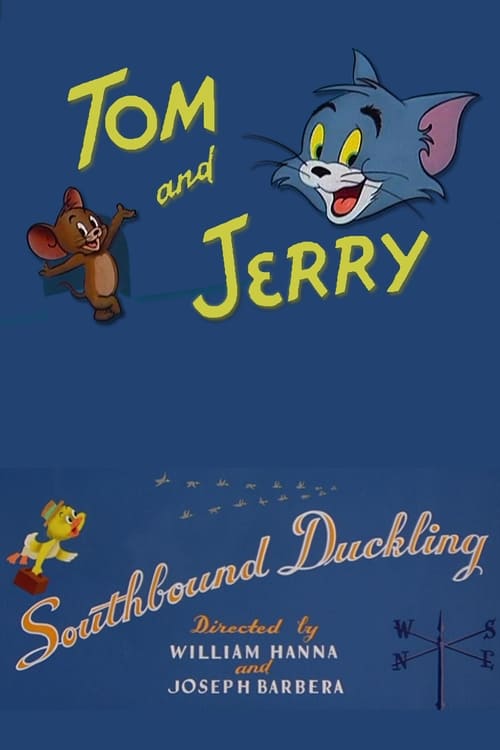
1955
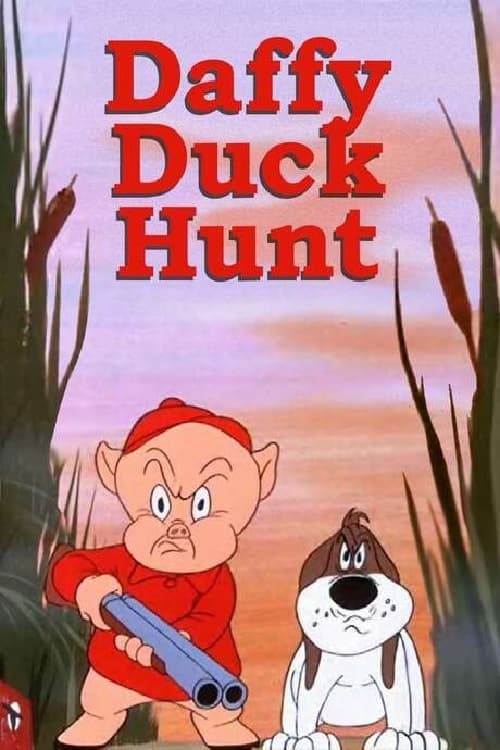
1949
No reviews yet. Be the first to share your thoughts on this movie!
Use the rating form above to leave a star rating and optional review.