Tee for Two
1945
No user ratings available yet
Representation score: 2.4 out of 10
Representation Score
Minimal
1952
NRDirector
William Hanna, Joseph Barbera
Runtime
7 minutes
Average Rating
No ratings yetNew Showbiz Analysis
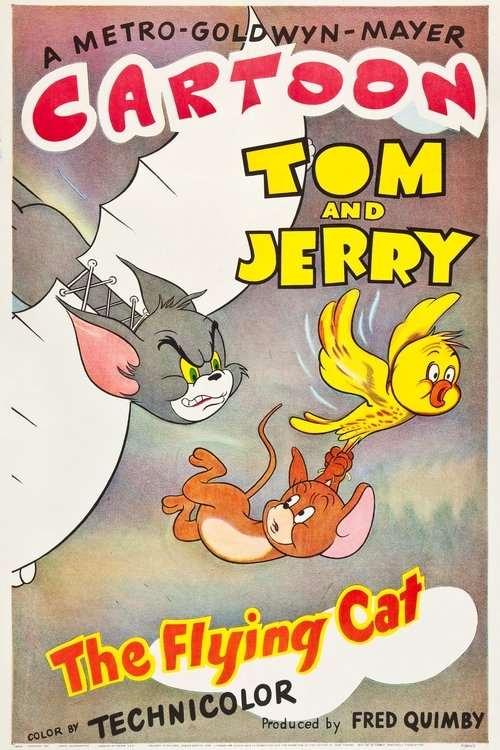
The Flying Cat is a classic mid-century comedic short that emphasizes kinetic, slapstick humor over character depth. The narrative revolves around a pursuit-based conflict between animal characters, leaving little room for social or identity-based exploration. Due to its adherence to the standardized animation frameworks of 1952, the film lacks representation of multiple aspects of identity. Characters are driven by instinct rather than complex social, racial, or gendered identities. Ultimately, the film serves as traditional entertainment, focusing on situational comedy within the stylistic constraints of its era, without engaging in systemic or cultural commentary.
Category Breakdown
The film features a predatory relationship between a cat and a canary. It does not include any characters with LGBTQ+ identities or explore LGBTQ+ themes.
The characters do not have conversations that highlight gender differences, nor do they have complex social roles. The conflict is driven by instinctual competition rather than gender dynamics.
The cast includes anthropomorphized animals in a typical household setting. The story does not use animal metaphors to discuss racial or ethnic issues.
The film follows traditional comedic formulas centered on physical resilience. It does not address themes of secularism, systemic oppression, or cultural critique.
There are no characters with visible or invisible disabilities. Physical mishaps are used for slapstick comedy rather than exploring neurodivergence or impairment.
Present on Screen
Limited or Absent
Official Synopsis
When Jerry befriends a canary, Tom finds it necessary to construct a makeshift pair of wings.
1945
1947
1944
1953
1949
1952
1961
1955
No reviews yet. Be the first to share your thoughts on this movie!
Use the rating form above to leave a star rating and optional review.