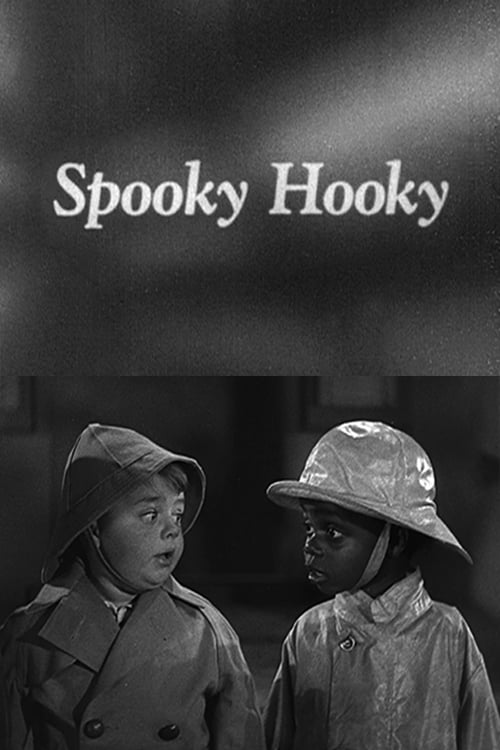
Spooky Hooky
1936
No user ratings available yet
Representation score: 1.4 out of 10
Representation Score
Minimal
1938
PGDirector
Gordon Douglas
Runtime
10 minutes
Average Rating
No ratings yetNew Showbiz Analysis
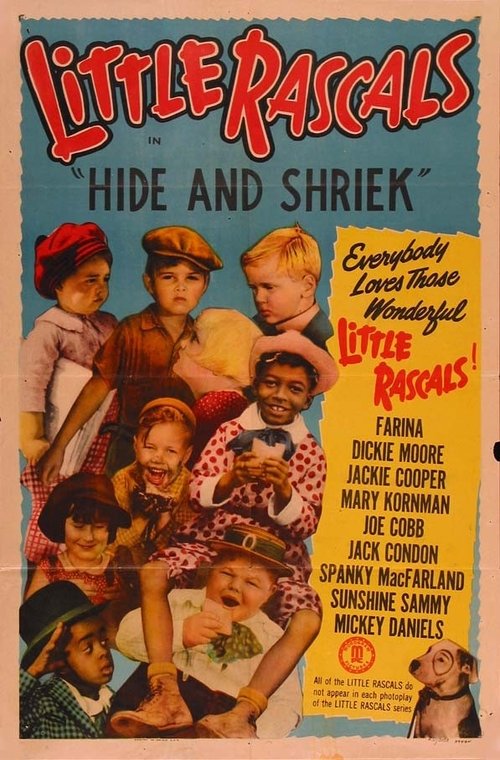
Hide and Shriek is a product of the 1930s studio system, designed for family-oriented escapism. While it breaks some contemporary molds through its multi-ethnic casting, it remains firmly rooted in the social frameworks of its time. The film prioritizes situational comedy and juvenile camaraderie over narrative depth. It functions as a traditionalist piece of entertainment that reinforces existing social norms rather than challenging them through multi-layered or systemic perspectives. Ultimately, the work lacks the ability to act and complexity required for a progressive score, serving instead as a standard genre-driven comedy of the era.
Category Breakdown
The film focuses entirely on childhood friendship and a candy mystery. There is no presence of LGBTQ identities or critiques of heterosexuality.
The narrative centers on male characters like Alfalfa, Buckwheat, and Porky. It does not present women in positions of dominance or challenge traditional gender roles.
A multi-ethnic cast, including Buckwheat, offers a departure from the era's typical homogeneity. However, these portrayals often rely on established comedic clichés rather than complex character development.
The story adheres to conventional Western comedic structures. It reinforces traditional social stability through lighthearted themes rather than engaging in any institutional critiques.
The film contains no evidence of characters navigating physical, neurodivergent, or mental health conditions.
Present on Screen
Limited or Absent
Official Synopsis
Detective Alfalfa and his assistants Buckwheat and Porky try to solve a missing-candy case but find themselves in an amusement park haunted house.
1936
1933
1937
1933

1933
1933

1934
1936
No reviews yet. Be the first to share your thoughts on this movie!
Use the rating form above to leave a star rating and optional review.