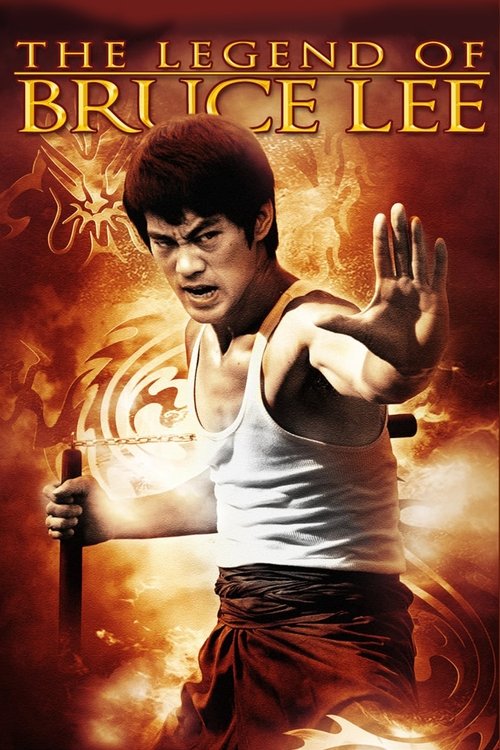
The Legend of Bruce Lee
2009
No user ratings available yet
Representation score: 4.5 out of 10

Representation Score
Limited
2010
Director
Manfred Wong Man-Chun, Raymond Yip Wai-Man
Runtime
129 minutes
Average Rating
No ratings yetNew Showbiz Analysis
This biopic offers a detailed exploration of the Chinese diaspora and the immigrant experience, challenging the historical invisibility of Asian protagonists in global cinema. However, it adheres to traditional gender hierarchies, emphasizing masculine leadership and physical prowess. Female characters are relegated to secondary roles. Additionally, the film lacks representation of LGBTQ+ and neurodivergent identities. Despite these limitations, the film provides a nuanced look at the intersection of Eastern identity and Western social structures, offering a meaningful departure from conventional Western biographical clichés.
Category Breakdown
The film focuses on traditional family relationships and heterosexual romance, centering on the bond between Bruce Lee and Linda Lee Cadwell without delving into non-binary or transgender identities.
The story emphasizes masculine ideals such as brotherhood and martial skill. Female characters play supportive roles, providing emotional support but not driving the main plot.
The film effectively portrays the experiences of Chinese immigrants and the challenges they face in a foreign country. It highlights the systemic racial tensions encountered by Chinese immigrants in mid-20th century America.
The movie addresses post-colonial themes and the struggle to maintain cultural identity. It depicts Western institutions as places where systemic exclusion and racial bias persist.
There are no prominent portrayals of physical or neurodivergent disabilities that serve as central narrative drivers in this biographical account.
Present on Screen
Limited or Absent
Official Synopsis
An action-dramatic biopic of the eponymous martial arts legend as told by his younger brother, Robert Lee. It revolves around Bruce Lee's life as a rebellious adolescent in Hong Kong before he sets off for the USA and conquers the world at the age of 18 with only $100 in his pocket.
2009

2004
1974
2000

1976
1984
1974
1993
No reviews yet. Be the first to share your thoughts on this movie!
Use the rating form above to leave a star rating and optional review.