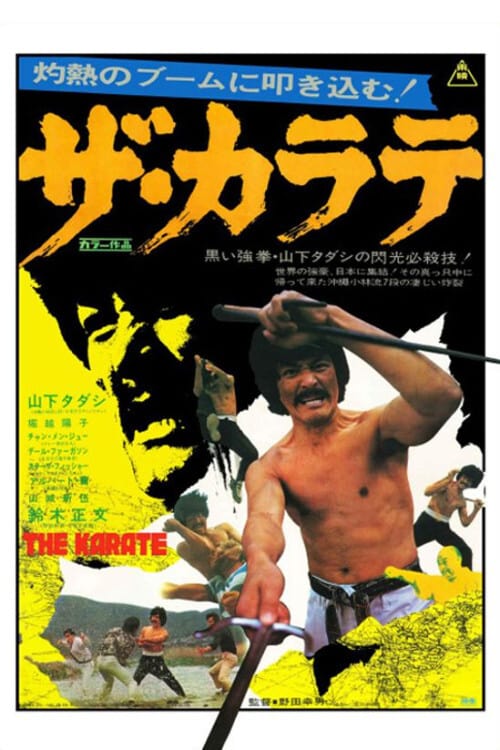
The Karate
1974
No user ratings available yet
Representation score: 2.0 out of 10
Representation Score
Limited
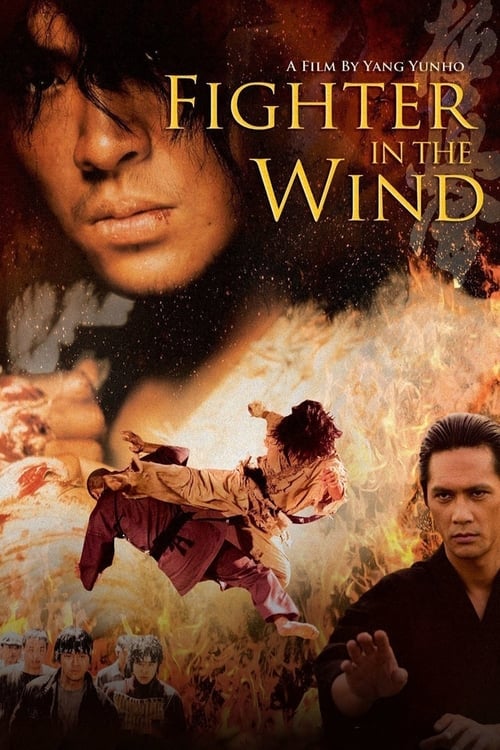
2004
Not RatedDirector
Yang Yun-ho
Runtime
121 minutes
Average Rating
No ratings yetNew Showbiz Analysis
Fighter in the Wind is a specialized character study that trades broad social inclusivity for deep post-colonial commentary. While it fails to provide representation for women or LGBTQ+ individuals, it succeeds in elevating the ethnic struggle of a colonized people through the lens of martial arts. The film uses the protagonist's journey to reclaim identity, turning the development of Kyokushin karate into a metaphor for resisting cultural erasure. This focus on national sovereignty provides a sophisticated layer of cultural depth often missing from standard action dramas. Ultimately, the film's diversity is lopsided. It is a powerful exploration of racial and cultural resistance, yet it remains tethered to rigid, traditional gender hierarchies.
Category Breakdown
The film focuses solely on traditional masculine archetypes and martial mastery. There is no representation of LGBTQ+ identities or critiques of the assumption that everyone is straight or cisgender.
The narrative centers almost exclusively on male protagonists and the warrior archetype. It offers little to no challenge of traditional gender roles or women’s ability to drive the story.
The story serves as a study in the struggles of Koreans against Japanese imperial power. It frames physical combat as a tool for cultural preservation.
The film portrays colonial administration as oppressive, framing the protagonist's struggle as a rebellion against corrupt systemic structures. It prioritizes the preservation of indigenous culture.
There is no significant evidence regarding the portrayal of physical or neurodivergent disabilities as central plot drivers.
Present on Screen
Limited or Absent
Official Synopsis
An account of karate competitor Choi Yeung-Eui who went to Japan after World War II to become a fighter pilot but found a very different path instead. He changed his name to Masutatsu Oyama and went across the country, defeating martial artists one after another. This film concentrates on the period when he is still young, and developing his famous karate style, Kyokushin.
1974
1943
1975

1972

1965
2021
2007
2000
No reviews yet. Be the first to share your thoughts on this movie!
Use the rating form above to leave a star rating and optional review.