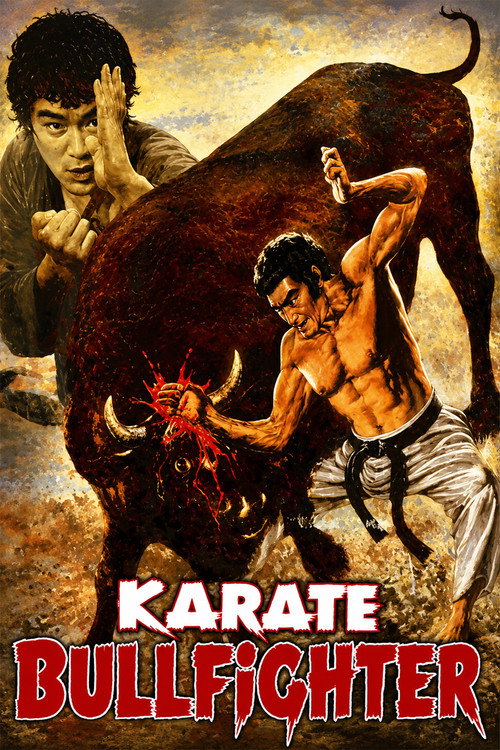
Karate Bullfighter
1975
No user ratings available yet
Representation score: 2.1 out of 10
Representation Score
Limited
1974
PGDirector
Yukio Noda
Runtime
86 minutes
Average Rating
No ratings yetNew Showbiz Analysis
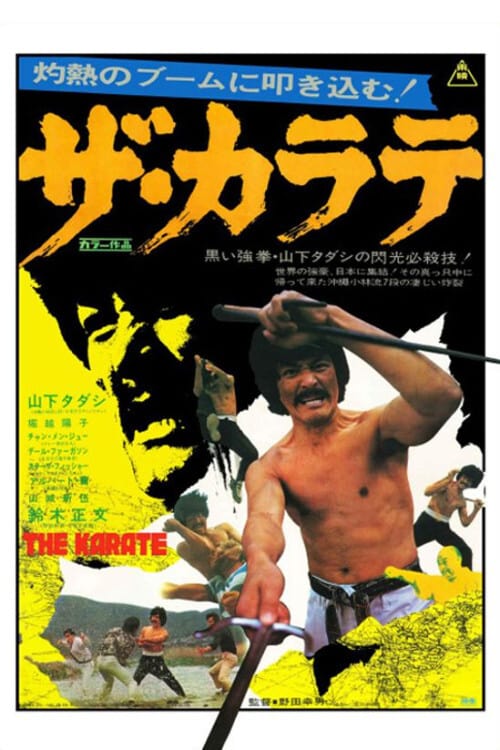
The Karate is a genre-driven action drama that prioritizes physical spectacle and individual excellence. While it lacks significant diversity in gender and LGBTQ+ representation, it offers a nuanced look at the diaspora experience through its bicultural protagonist. The film utilizes the 'return to roots' cliché, moving from the poverty-stricken American Southwest to Japan. This structure allows for an exploration of dual identity, even if the narrative remains rooted in traditional martial arts storytelling. Ultimately, the film adheres to the masculine archetypes and meritocratic themes common in 1970s cinema, focusing more on athletic mastery than complex sociopolitical deconstruction.
Category Breakdown
The film focuses entirely on the protagonist's martial arts journey. There is no evidence of non-binary gender identities or narratives addressing the assumption that everyone is straight or cisgender.
The story centers on a male protagonist's quest for championship and mastery. It follows traditional 1970s genre conventions emphasizing masculine achievement and physical dominance.
Bronson Lee, a Japanese-American, provides a platform for exploring dual identity. His journey from the American Southwest to Japan highlights the intersection of Western and Eastern cultures.
The plot follows a classic hero's journey centered on discipline and skill. It operates within a traditional framework of meritocracy and individual achievement through a tournament structure.
The narrative contains no mention of characters navigating physical or neurodivergent realities.
Present on Screen
Limited or Absent
Official Synopsis
Bronson Lee, a Japanese-American raised by his grandma in the harsh, poverty-stricken desert Southwest, returns to Japan to demonstrate his mastery of karate by entering the tournament that will determine the first World Karate Champion.
1975
2004

1965

1972
1970
2021
1993
2007
No reviews yet. Be the first to share your thoughts on this movie!
Use the rating form above to leave a star rating and optional review.