Kiss the Other Sheik
1965
No user ratings available yet
Representation score: 5.2 out of 10
Representation Score
Limited
1966
Director
Armando Crispino, Luciano Lucignani
Runtime
117 minutes
Average Rating
No ratings yetNew Showbiz Analysis
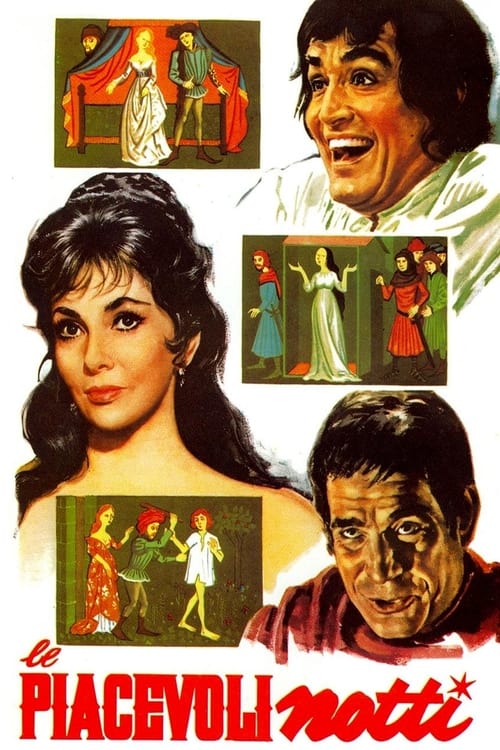
Pleasant Nights operates as a standard period comedy that prioritizes genre conventions over social critique. The film reflects the cultural and social norms of 1960s European cinema, focusing on traditional storytelling rather than diverse representation. The narrative structure relies heavily on historical clichés, particularly regarding gender and ethnicity. By centering a homogeneous cast within a medieval European context, the film avoids exploring diverse identities or challenging established hierarchies. Ultimately, the work serves as a product of its time, utilizing slapstick and traditional structures. It lacks the elements necessary to move beyond the era's standard assumptions about gender and ethnicity.
Category Breakdown
The film adheres to the assumptions typical of 1960s Italian comedies, where everyone is assumed to be straight or cisgender. There is no depiction of non-traditional gender identities or same-sex relationships.
Set in the Middle Ages, the film relies on established historical clichés. It lacks depictions of women taking a leading role in the story and does not challenge traditional gender power dynamics.
The production features a homogeneous cast typical of European medieval settings. There is no evidence of diverse ethnic representation or casting actors from different backgrounds.
The trilogy operates within the conventional cultural frameworks of its era. It favors traditional social structures and slapstick comedy over secular or anti-Western narratives.
There is no information available regarding the portrayal of physical or neurodivergent characters in this work.
Present on Screen
Limited or Absent
Official Synopsis
A trilogy of comedic tales set in the Middle Ages.
1965

1963
1972
1972
1987
1968
1952
1960
No reviews yet. Be the first to share your thoughts on this movie!
Use the rating form above to leave a star rating and optional review.