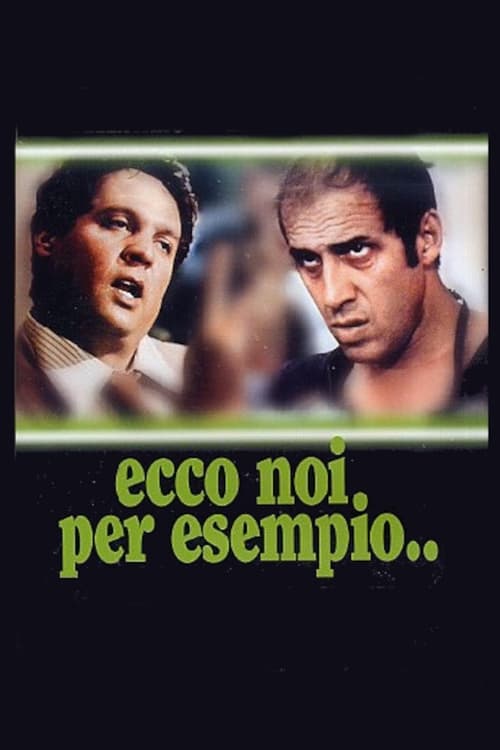
Here We for Example...
1977
No user ratings available yet
Diversity score: 3.8 out of 10

1989
Director
Sergio Corbucci
Runtime
91 minutes
Average Rating
No ratings yetSynopsis
The nightlife of young carefree friends in a wonderful 60s Rome.
Overall Score
Fair
Category Breakdown
LGBTQ+ Representation
The 1960s nightlife setting offers a potential backdrop for non-heteronormative social spaces. However, there is no documented evidence of explicit LGBTQ+ characters or narratives that challenge heteronormativity.
Gender Representation
The carefree nature of the characters suggests a departure from rigid social structures. Despite this, there is no confirmation of female characters possessing significant narrative agency or subverting gender hierarchies.
Racial & Ethnic Diversity
Set in Rome, the film likely reflects the Mediterranean demographics of the era. The narrative appears to follow the conventional demographic patterns typical of 1960s Italian cinema.
Religious & Cultural Diversity
The film explores the tension between traditional values and the burgeoning modernism of 1960s youth culture. It lacks evidence of an anti-institutional or anti-capitalist framework.
Disability Representation
There is no specific information available regarding the portrayal of physical or neurodivergent characters within the film.
Strengths
Areas for Improvement
AI Analysis
NightClub functions primarily as a period piece focused on the social dynamics of youth culture in 1960s Rome. It prioritizes atmosphere and the lifestyle of carefree friends over explicit systemic critique or progressive storytelling. The film appears to adhere to the conventional social structures of its era rather than actively seeking to disrupt them. While it captures a specific moment in Western social history, it lacks the intersectional depth required for a higher diversity rating. Ultimately, the work serves as a social study of a specific time and place, offering moderate inclusion through its exploration of modernizing youth culture without providing significant representation for marginalized groups.
1977

1987
1961
2006
1971

1983

2016
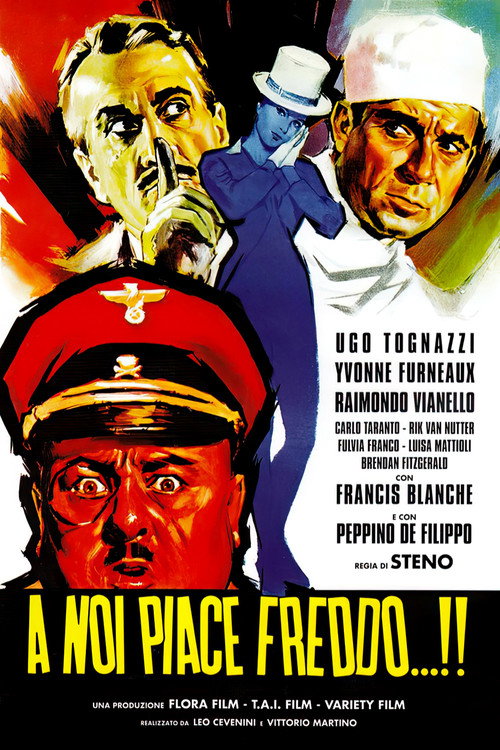
1960
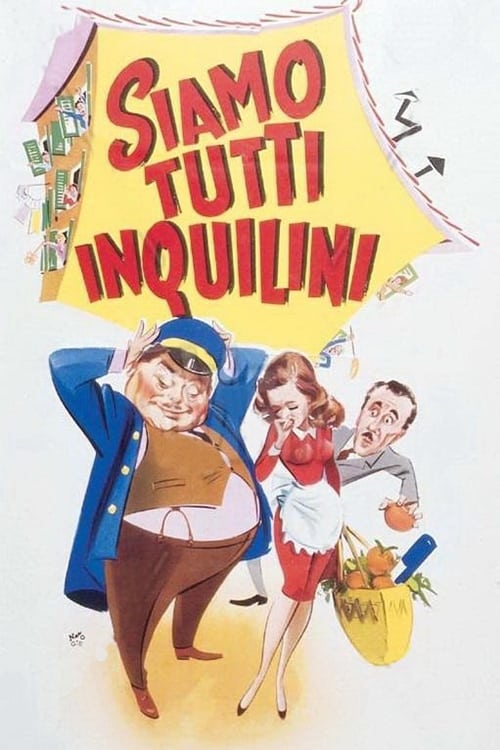
1953

2019

2013

1958
No reviews yet. Be the first to share your thoughts on this movie!
Use the rating form above to leave a star rating and optional review.