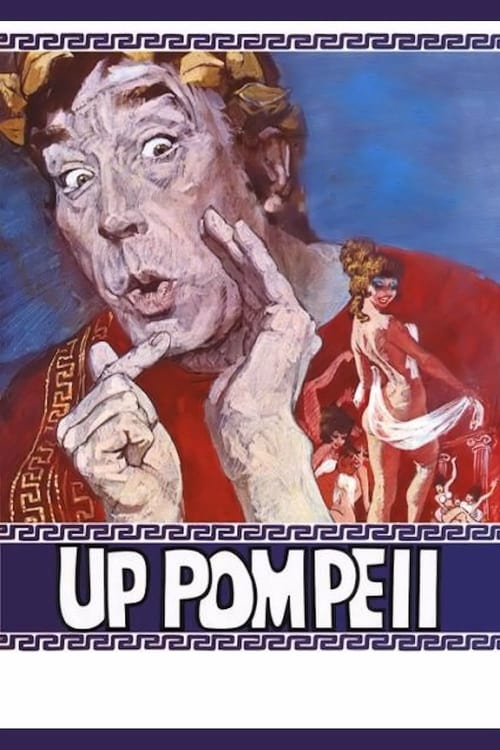
Up Pompeii
1971
No user ratings available yet
Representation score: 2.9 out of 10
Representation Score
Limited
1977
Director
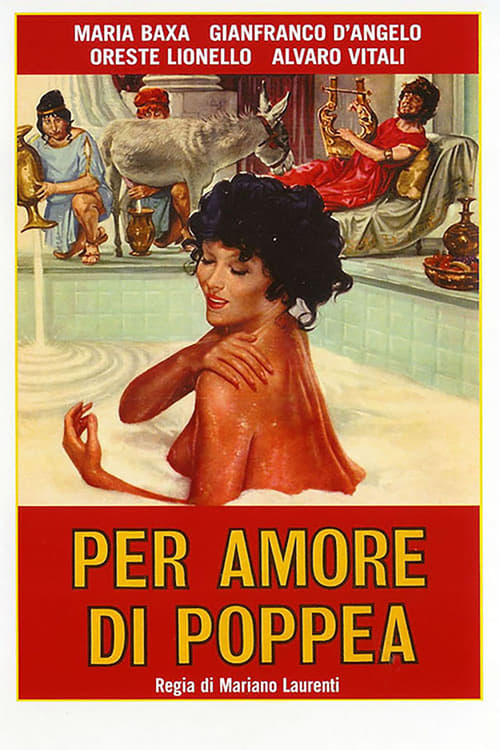
Mariano Laurenti
Runtime
88 minutes
Average Rating
No ratings yetNew Showbiz Analysis
For the Love of Poppea is a product of its era, prioritizing the clichés of 1970s erotic comedy over progressive representation. The film relies on established formulas to drive its slapstick and escapist narrative. While cross-dressing is used for comedic deception, it does not address gender identity or sexual orientation meaningfully. Instead, it upholds the traditional power dynamics and social hierarchies of its time. The production lacks diversity in casting and cultural critique, adhering to the standard visual and moral frameworks of Italian genre cinema from the late 1970s.
Category Breakdown
The film does not include any visible LGBTQ+ characters or explore non-cisgender identities. Cross-dressing is used solely for comedic effect and does not delve into gender identity issues.
The story focuses on male desires, often portraying women as objects of spectacle. Although protagonists temporarily switch gender roles through disguise, this reinforces traditional masculine dominance and female passivity.
Set in Ancient Rome, the film features a homogeneous cast typical of 1970s Italian genre cinema. There is no indication of intentional inclusion of non-Mediterranean or diverse ethnic groups.
The film operates as a period-based escapist comedy without challenging Western institutions or religion. The Roman social order serves as a backdrop for comedic conflicts and romantic pursuits.
There are no characters with visible or invisible disabilities. The narrative does not give ability to act to neurodivergent or physically disabled individuals.
Present on Screen
Limited or Absent
Official Synopsis
Two scoundrels - Tizio and Caio - didn't want to get into the military service so they decide to escape dressed in women's clothes, but were caught by the guards. Without being able to confirm their right to freedom, the unlucky fugitives were sold into slavery. But everything what happens - happens for the better and slave girls Ticiâ and Kaya become personal servants of the Empress Poppea...
1971

1964
1963

1975
1972

1980

1969
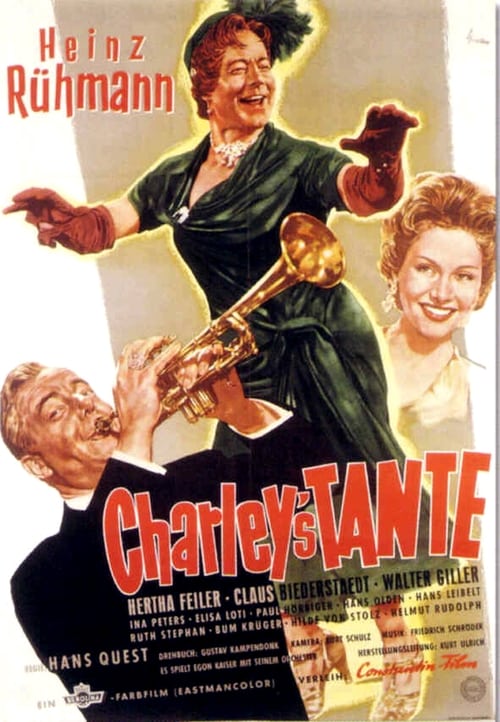
1956
No reviews yet. Be the first to share your thoughts on this movie!
Use the rating form above to leave a star rating and optional review.