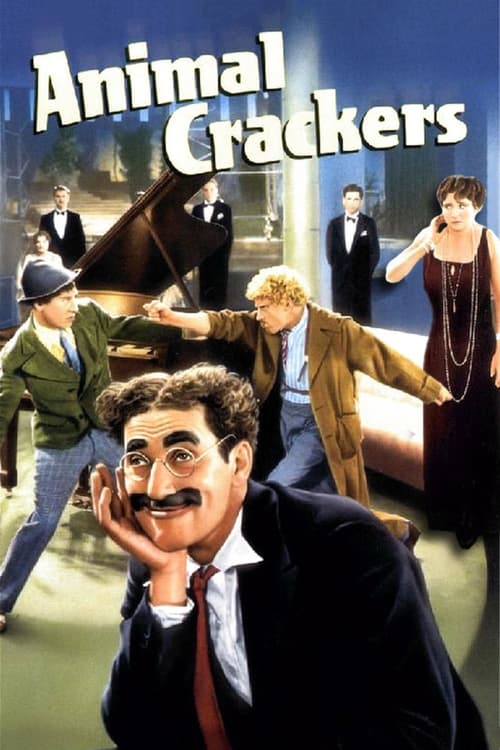
Animal Crackers
1930
No user ratings available yet
Representation score: 2.8 out of 10
Representation Score
Minimal
1935
NRDirector
Sam Wood
Runtime
91 minutes
Average Rating
No ratings yetNew Showbiz Analysis
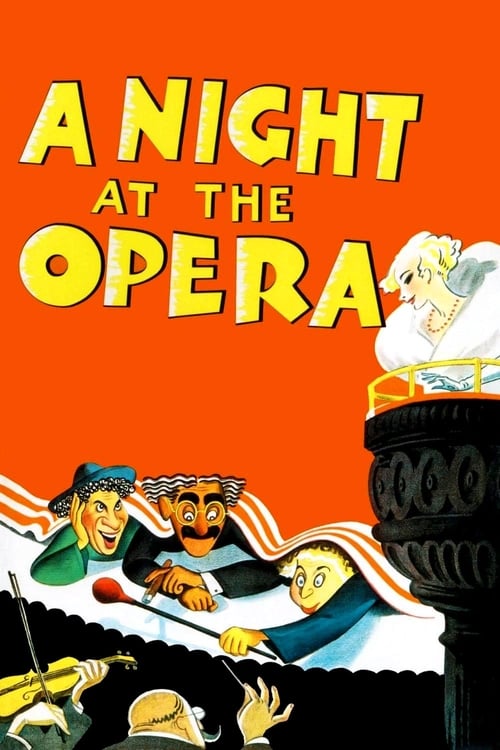
A Night at the Opera is a classic from 1935, adhering to traditional casting and lacking diverse representation. The film stays within the social norms of its time, providing little visibility for LGBTQ+ individuals or those with disabilities. However, the film excels in its comedic dismantling of institutional authority. Instead of targeting gender or race, the Marx Brothers target the pretentiousness of the upper class. They act as disruptors who challenge the perceived superiority of the stuffy, snobbish elite. Ultimately, while the film does not meet modern standards of diversity, it stands as a sharp and entertaining critique of the rigid social structures of Western high society.
Category Breakdown
The film focuses on heterosexual relationships and does not include any characters with non-traditional gender identities or same-sex relationships.
Women in the film mainly serve as romantic interests or plot drivers, fitting within the conventional social roles of the time.
The cast is mostly white and European, with no exploration of multi-ethnic backgrounds or diverse characters with ability to act.
The film humorously critiques high culture using the Marx Brothers to mock the pretensions of formal institutions like the opera house.
There are no visible or invisible disabilities depicted in the film. Characters are defined by social status or comedic roles rather than physical or neurodivergent traits.
Present on Screen
Limited or Absent
Official Synopsis
The Marx Brothers take on high society and the opera world to bring two lovers together. A sly business manager and two wacky friends of two opera singers help them achieve success while humiliating their stuffy and snobbish enemies.
1930

1931
1937
1935

1953
1929
1951

1956
No reviews yet. Be the first to share your thoughts on this movie!
Use the rating form above to leave a star rating and optional review.