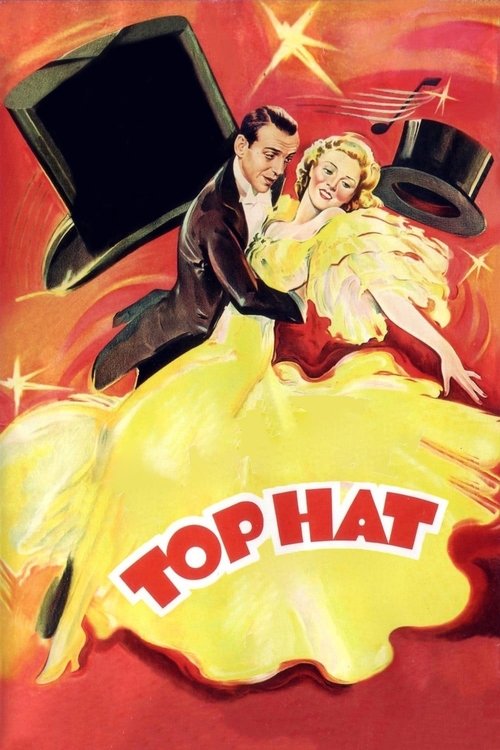
Top Hat
1935
No user ratings available yet
Representation score: 0.4 out of 10

Representation Score
Minimal
1936
ApprovedDirector
George Stevens
Runtime
103 minutes
Average Rating
No ratings yetNew Showbiz Analysis
Swing Time is a typical product of the 1930s Hollywood studio era, emphasizing escapism and rhythmic storytelling. While it excels in technical mastery of dance, the film's structure adheres strictly to the social and cultural norms of its time. The film highlights the professional ability to act of its female lead, Penny, but it remains limited by a lack of racial diversity and a reliance on traditional gender roles. The narrative upholds the status quo of individual prosperity and Western social norms. Overall, the film serves as a period-specific artifact that emphasizes traditional social cohesion without challenging established hierarchies.
Category Breakdown
The film follows a strict focus on straight relationships and traditional gender roles, with no representation of LGBTQ+ identities or queer subtext.
Penny is shown as a highly skilled professional with significant influence in the dance world. However, her autonomy is often overshadowed by traditional romantic interests and courtship rituals.
The casting is nearly uniform, featuring a predominantly white, Anglo-Saxon cast with no significant characters of color.
The narrative celebrates the success and glamour of the entertainment industry while reinforcing traditional Western social structures and the stability of the existing social order.
The film does not address themes of neurodivergence or physical impairment. All characters are portrayed as able-bodied performers without any visible or invisible disabilities.
Present on Screen
Limited or Absent
Official Synopsis
Lucky is tricked into missing his own wedding to Margaret and has to make $25,000 so her father will allow him to marry her. He and business partner Pop go to New York where they run into dancing instructor Penny. She and Lucky form a successful dance partnership, but romance is blighted by his old attachment to Margaret and hers for Ricky.
1935
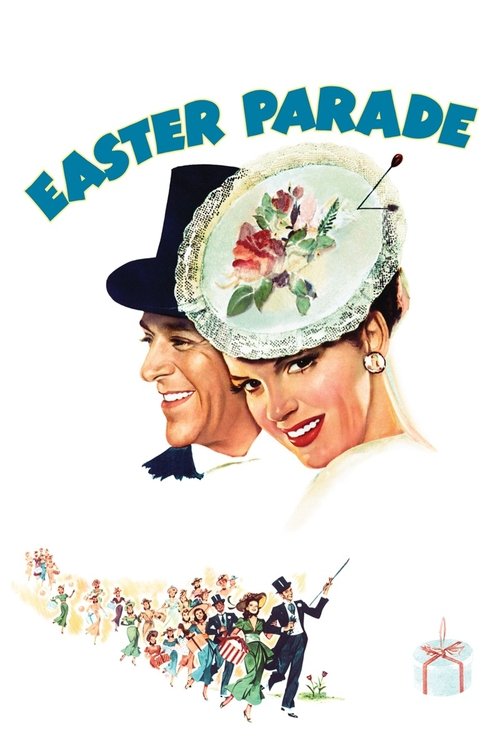
1948

1953
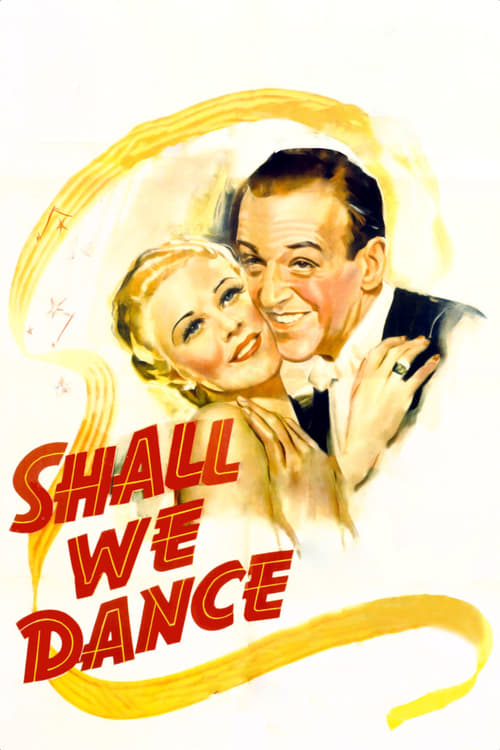
1937
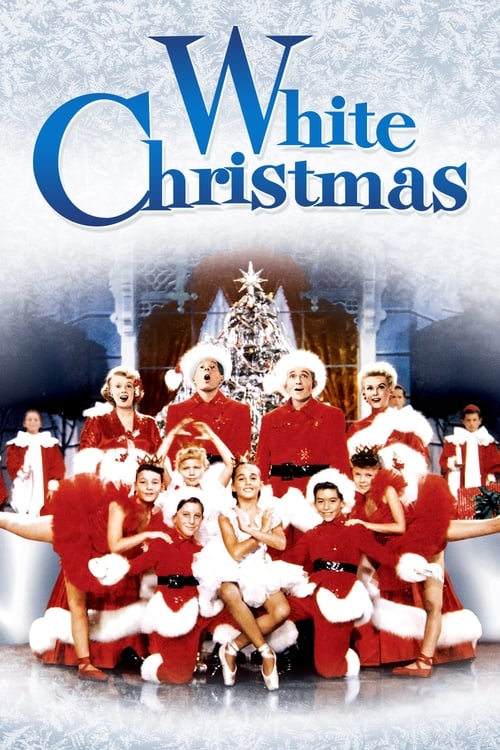
1954
1942

1956
1942
No reviews yet. Be the first to share your thoughts on this movie!
Use the rating form above to leave a star rating and optional review.