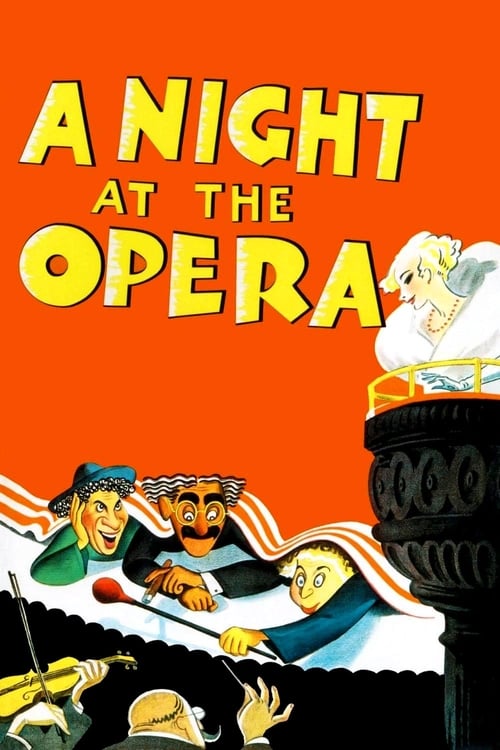
A Night at the Opera
1935
No user ratings available yet
Representation score: 1.2 out of 10
Representation Score
Minimal
1937
NRDirector
Sam Wood
Runtime
109 minutes
Average Rating
No ratings yetNew Showbiz Analysis
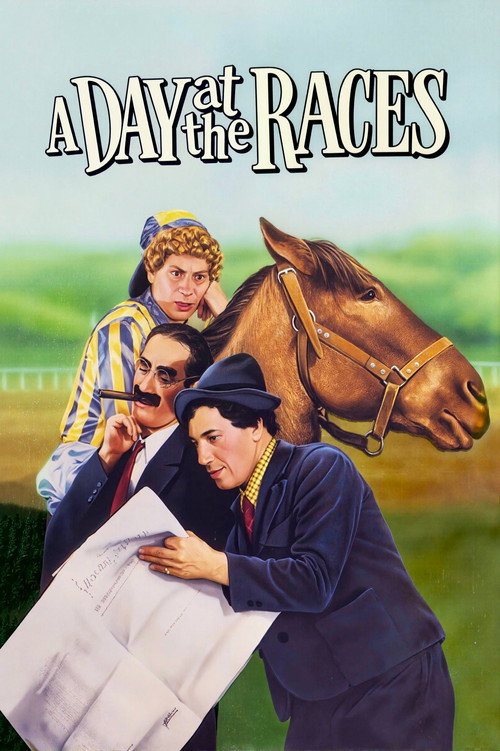
A Day at the Races exemplifies 1930s screwball comedy, emphasizing high-production escapism over social disruption. Reflecting the era's demographic norms, the film centers on a white, upper-class social milieu. Though the film showcases moments of female wit through rapid dialogue, it remains tied to traditional social and gender hierarchies. The narrative restores order without challenging systemic power dynamics. Ultimately, the film provides light-hearted entertainment that upholds established class and romantic structures, offering limited engagement with diverse cultural perspectives.
Category Breakdown
The film follows strict 1930s conventions, focusing on traditional courtship and excluding non-traditional gender identities or same-sex relationships.
Female characters like Ginger Rogers' display wit and intelligence through quick dialogue, but the story upholds traditional gender roles and domestic resolutions.
The cast is primarily white and upper-class, lacking diverse ethnic backgrounds or intentional color-blind casting.
This escapist comedy celebrates high society without critiquing Western institutions, reinforcing existing class structures.
There are no significant depictions of physical or neurodivergent disabilities that play key roles in the story.
Present on Screen
Limited or Absent
Official Synopsis
Doctor Hugo Hackenbush, Tony, and Stuffy try and save Judy's sanitarium by winning a big race with a finicky horse owned by Judy's boyfriend Gil. There are a few problems. Hackenbush, who was recently put in charge of the sanitarium, isn't really a doctor, he's a veterinarian.
1935
1930
1938
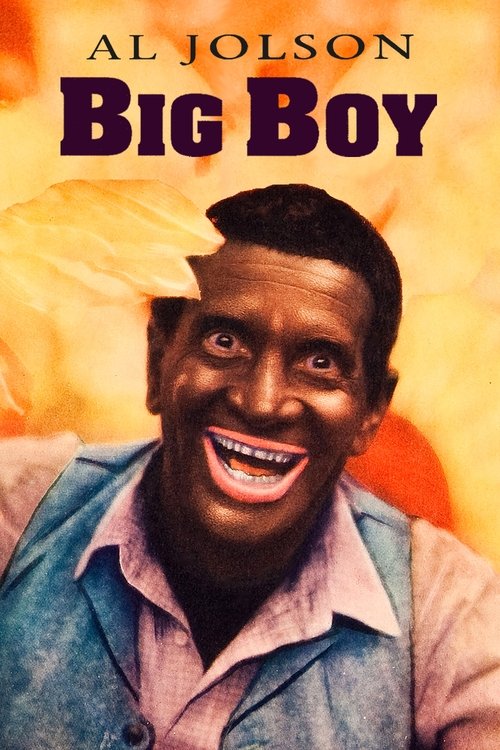
1930
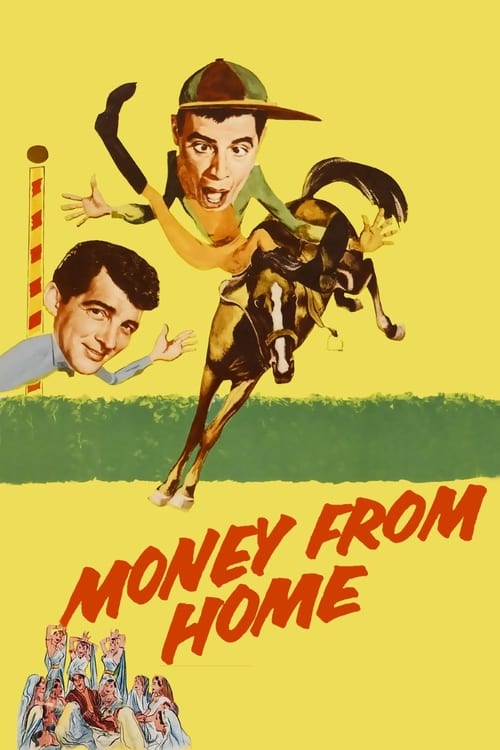
1953
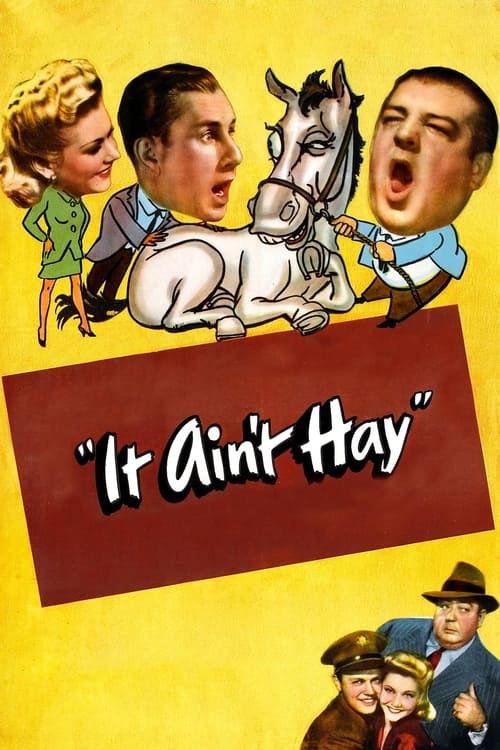
1943

1937
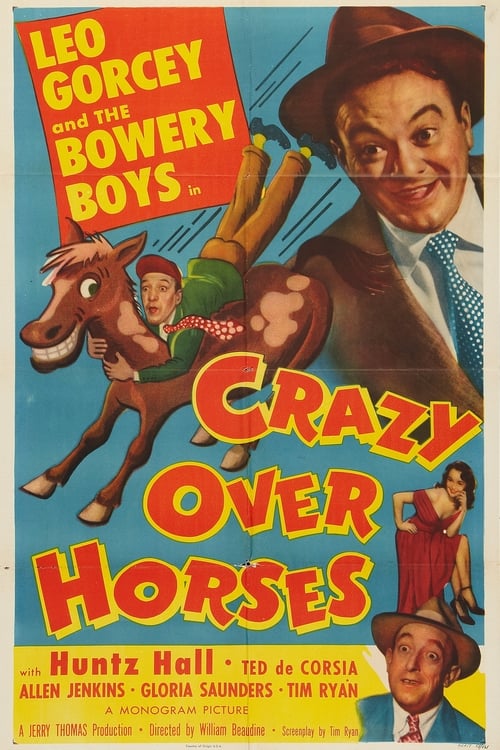
1951
No reviews yet. Be the first to share your thoughts on this movie!
Use the rating form above to leave a star rating and optional review.