
The Band Wagon
1953
No user ratings available yet
Representation score: 0.8 out of 10

Representation Score
Minimal
1956
NRDirector
Charles Walters
Runtime
112 minutes
Average Rating
No ratings yetNew Showbiz Analysis
High Society is a classic example of the Hollywood studio era, emphasizing escapism and glamour. While the film showcases the protagonist's intellectual and social prowess, it ultimately reinforces conventional romantic and gender power dynamics. The film's demographic focus is overwhelmingly white, reflecting a narrow view of American high society. It celebrates Western class distinctions and social etiquette without questioning the status quo. Overall, the film upholds the social and racial norms of the 1950s, presenting a polished but limited perspective on American high society.
Category Breakdown
The film focuses on straight relationships and does not include any non-traditional sexual or gender identities.
Tracy Lord is portrayed as a sophisticated woman with significant intelligence and social grace. However, her character development revolves around finding a romantic resolution and adhering to traditional domestic roles.
The cast and setting are predominantly white, depicting a homogeneous vision of mid-century aristocracy. There is no meaningful representation of diverse racial backgrounds.
The narrative highlights Western high-society traditions and social norms, emphasizing the stability and glamour of the existing social order without challenging it.
There are no visible or invisible disabilities depicted in the film. Characters with disabilities are not part of the storyline or character development.
Present on Screen
Limited or Absent
Official Synopsis
With socialite Tracy Lord about to remarry, her ex-husband - with the help of a sympathetic reporter - has 48 hours to convince her that she really still loves him.
1953
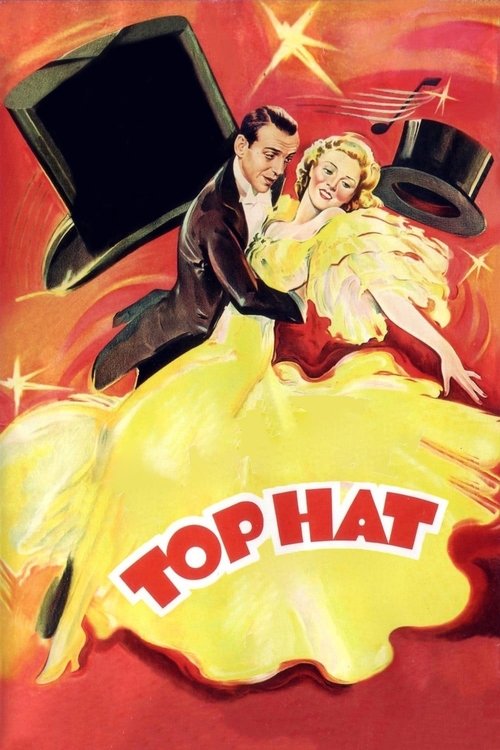
1935

1936

1942
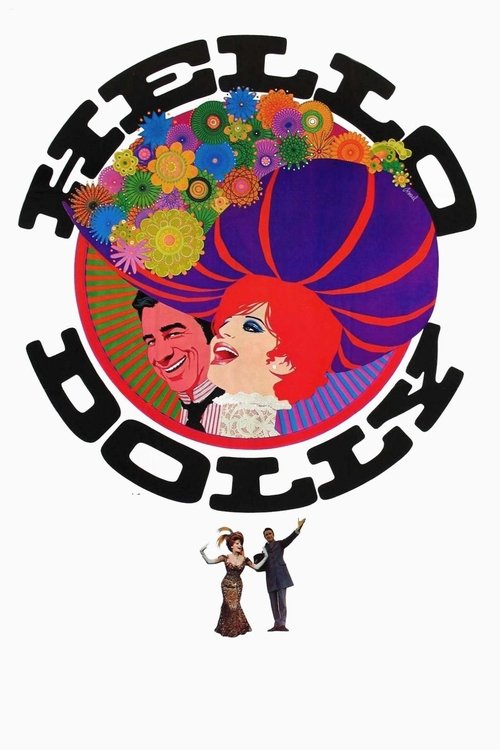
1969
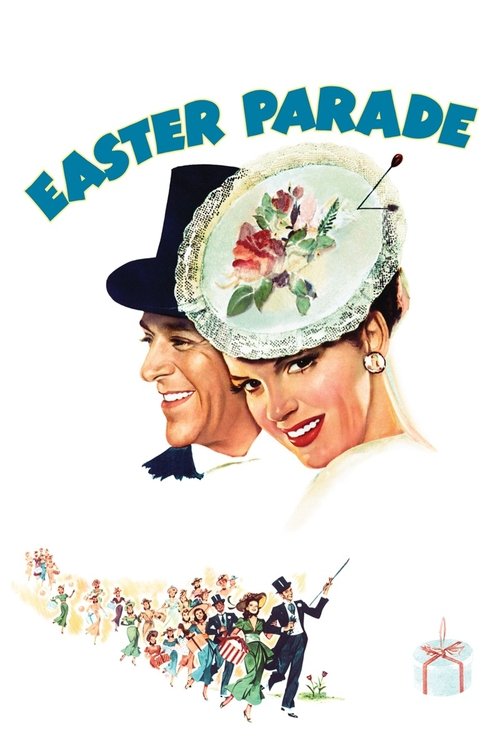
1948
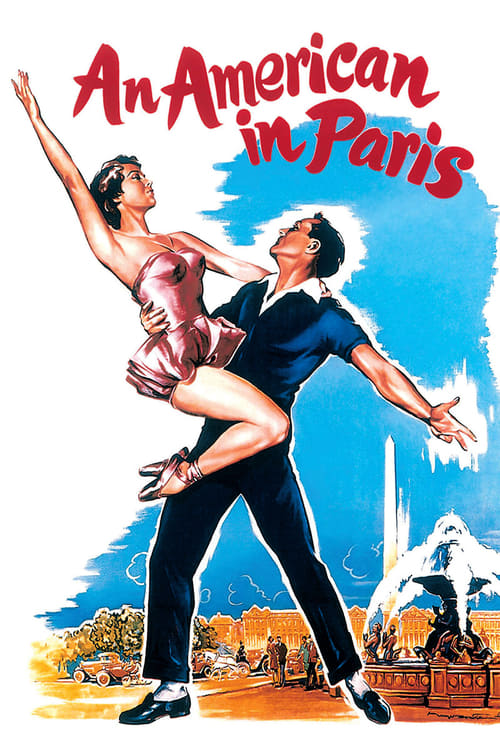
1951
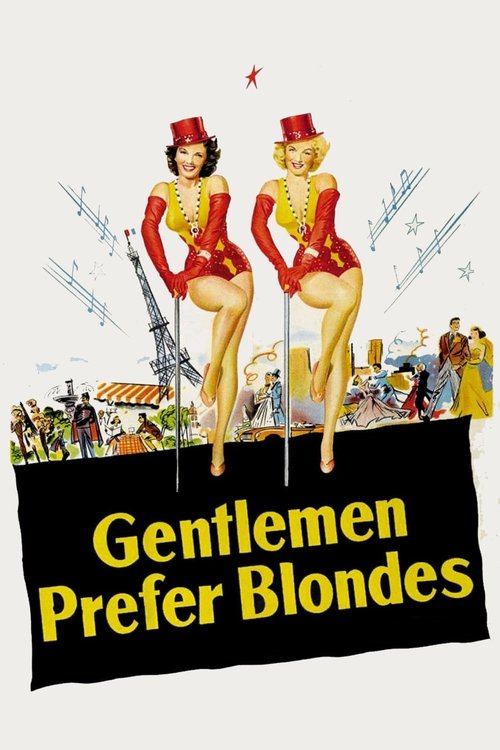
1953
No reviews yet. Be the first to share your thoughts on this movie!
Use the rating form above to leave a star rating and optional review.