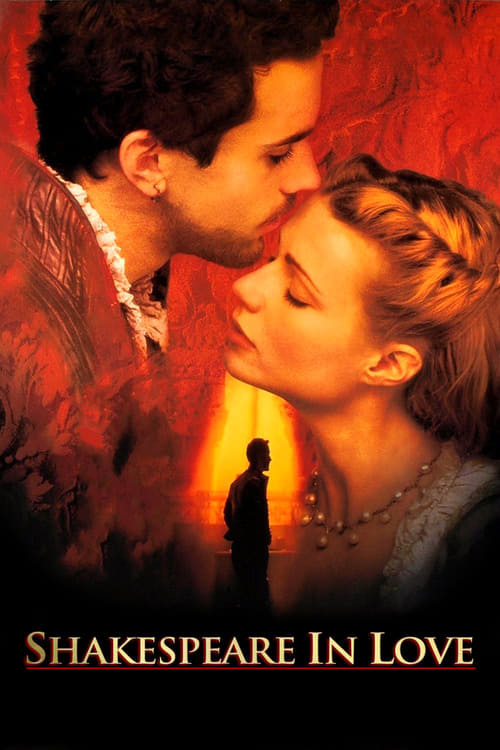
Shakespeare in Love
1998
No user ratings available yet
Representation score: 4.6 out of 10

Representation Score
Fair
1999
RDirector
Mike Leigh
Runtime
160 minutes
Average Rating
No ratings yetNew Showbiz Analysis
Mike Leigh’s film is a detailed reconstruction of the Victorian era, focusing on historical authenticity rather than modern social critiques. It successfully immerses viewers in the intricate workings of the Victorian creative process and the professional dynamics of musical theater. However, the film adheres closely to the demographic hierarchies of its 19th-century setting. It does not challenge traditional expectations about gender, race, or institutional authority, choosing instead to depict existing structures accurately. Ultimately, the work serves as a historical reconstruction rather than a tool for contemporary social change, resulting in a narrative that mirrors the era's limited representation of diverse identities.
Category Breakdown
The film recreates a Victorian theatrical environment without showing non-traditional gender identities. It doesn't highlight queer stories or individual journeys, staying within the social norms of the time.
Men hold positions of authority in the film, such as Gilbert and Sullivan. Women play various roles but often within traditional domestic or supportive roles typical of the 1860s.
The cast is mainly white and Anglo-Saxon, reflecting the London setting. Though Japanese culture influences 'The Mikado,' it is a style choice rather than a deep exploration of ethnic diversity.
The story focuses on historical accuracy rather than social critique. It portrays Victorian social norms and capitalist theater structures without presenting them as inherently problematic.
There is no emphasis on visible or invisible disabilities. The film remains neutral, avoiding using disability as a plot device or source of ridicule.
Present on Screen
Limited or Absent
Official Synopsis
For nearly a decade, Gilbert and Sullivan’s collaborations have delighted the English people. But in 1884, as a London heat wave cuts into the theater trade, their latest work, "Princess Ida", receives lukewarm press. In an effort to reconcile their creative differences and drawing inspiration from Japanese culture, they went on to create the hit opera "The Mikado", one of the duo's greatest successes.
1998
1953
1948
1935
2004

2017

1997
1952
No reviews yet. Be the first to share your thoughts on this movie!
Use the rating form above to leave a star rating and optional review.