Air: The Motion Picture
2005
No user ratings available yet
Representation score: 5.7 out of 10
Representation Score
Fair
2005
Director
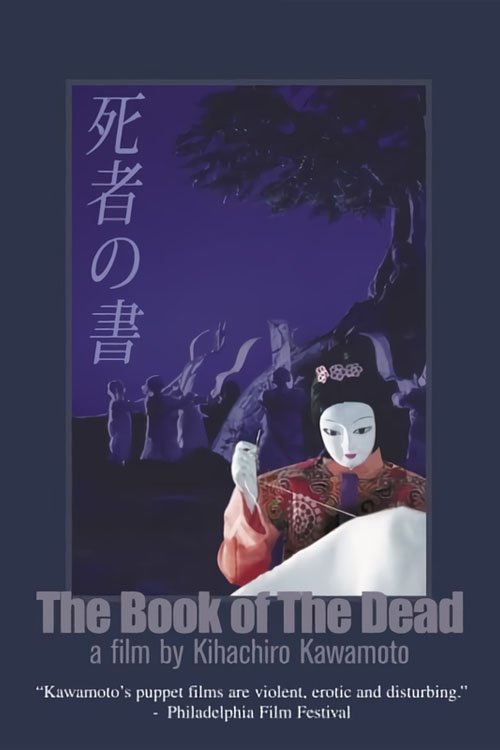
Kihachiro Kawamoto
Runtime
70 minutes
Average Rating
No ratings yetNew Showbiz Analysis
Kihachiro Kawamoto’s work prioritizes historical authenticity and spiritual depth over modern sociopolitical commentary. The film operates within a classical framework of Buddhist morality, focusing on cultural preservation rather than challenging traditional social hierarchies or identity-based power dynamics. While the film achieves significant cultural authenticity, it lacks the multi-layered representation found in contemporary media, focusing instead on the ephemeral nature of existence and religious tradition.
Category Breakdown
The film follows traditional mythological and Heian-period folklore without addressing non-straight or non-cisgender identities. It does not challenge the assumption that everyone is straight or cisgender.
Female characters include various spirits and supernatural figures, moving beyond domestic roles. However, they often function as mythological archetypes rather than having modern influence.
The work is culturally homogeneous and deeply rooted in its Heian-period Japanese context. It achieves authenticity by avoiding Western-centric clichés or whitewashing.
The narrative is heavily anchored in Buddhist iconography and concepts like karma. It uses religious frameworks as its primary lens for understanding morality.
Spirits and demons may serve as metaphors for otherness or physical difference. However, they function as supernatural plot devices rather than characters with lived experiences.
Present on Screen
Limited or Absent
Official Synopsis
A sheltered aristocratic woman in feudal Japan, bored and unfamiliar with the world outside her estate, passes the time copying a special Buddhist sutra sent by her father who has been absent on official business for years. While gazing out her window one late afternoon, the setting sun creates a vision of a holy figure in the distant mountains.
2005
2015
1976
1991
1990

1987

2011
2013
No reviews yet. Be the first to share your thoughts on this movie!
Use the rating form above to leave a star rating and optional review.