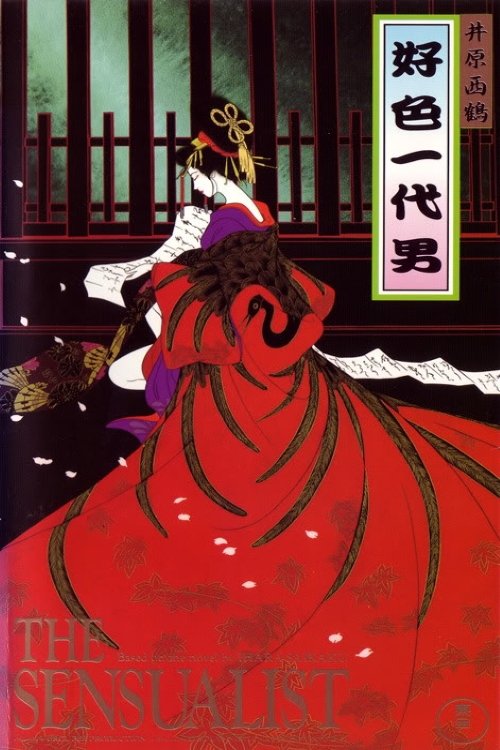
The Sensualist
1991
No user ratings available yet
Representation score: 4.4 out of 10

Representation Score
Fair
1987
Director
Gisaburō Sugii
Runtime
110 minutes
Average Rating
No ratings yetNew Showbiz Analysis
This film is a sophisticated, traditional adaptation that prioritizes historical and literary authenticity. It excels in cultural specificity and avoids erasing its ethnic roots, offering a rich Japanese experience. However, the story structure stays tied to the hierarchical and gendered norms of the Heian period. It serves as a study of classical aesthetics and impermanence rather than a modern critique of social structures. Ultimately, the work presents the historical social order as a cohesive whole, focusing on the psychological impacts of passion and loss within a strict social framework.
Category Breakdown
The film follows traditional Heian-period romance and courtship customs. It doesn't show non-traditional gender identities or hint at queer themes.
Women in the film deal with a layered, polygamous court system with psychological complexity. Yet, their actions often respond to the influence of powerful men.
The film accurately portrays its Japanese origins and avoids Western casting by focusing on a specific Heian-period setting and style.
The story upholds classical Japanese values, highlighting Shintoism, Buddhism, and karma. It emphasizes traditional social norms and courtly behavior.
The narrative centers on emotional and social challenges rather than physical or neurological disabilities. There are no characters with disabilities.
Present on Screen
Limited or Absent
Official Synopsis
Genji, the son of the emperor, is the talk of the Kyoto nobility for his charm and good looks, yet he cannot stop himself from pursuing an unobtainable object of desire: his father's young and beautiful bride. Following the tragic consequences of his obsession, Genji wanders from one affair to another, always seeking some sort of completion to his life.
1991
1991

1987

1939
2002
2005

2006

1981
No reviews yet. Be the first to share your thoughts on this movie!
Use the rating form above to leave a star rating and optional review.