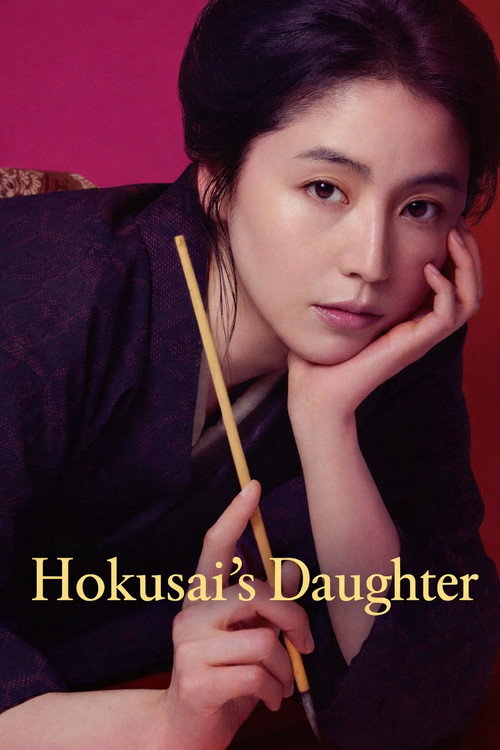
Hokusai's Daughter
2025
No user ratings available yet
Representation score: 6.2 out of 10
Representation Score
Good
2015
PG-13Director
Keiichi Hara
Runtime
90 minutes
Average Rating
No ratings yetNew Showbiz Analysis
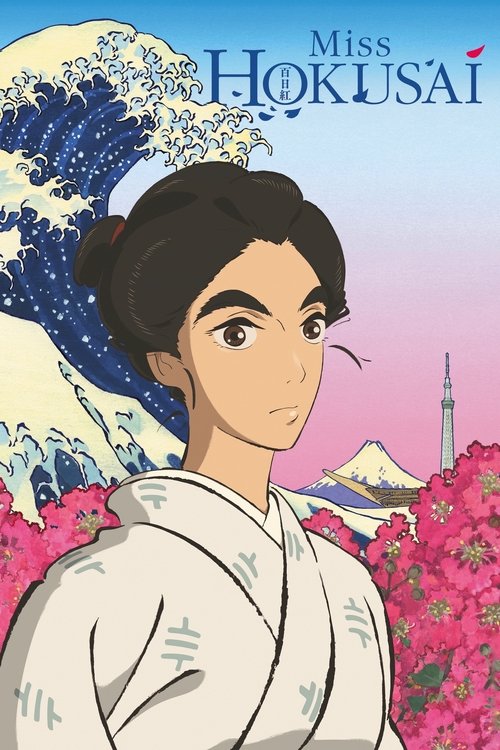
Miss Hokusai is a sophisticated deconstruction of the biographical drama. By shifting the focus from the legendary Hokusai to his daughter, Ōi, the film successfully challenges the historical emphasis on male genius. The strength of the work lies in its portrayal of women's ability to drive the story and its refusal to adhere to traditional social or familial hierarchies. It presents artistic obsession as a powerful, disruptive force. However, the film's historical setting limits its scope regarding LGBTQ+ representation and specific disability arcs. While culturally authentic, the narrative remains focused on a homogeneous social environment.
Category Breakdown
The film does not explicitly depict LGBTQ+ identities or non-cisgender expressions. It explores unconventional lifestyles but stays within the traditional romantic structures of its historical setting.
The narrative challenges gender hierarchies by focusing on Katsushika Ōi. It highlights her creative and professional capabilities rather than her domestic role, defying the patriarchal norms of the Edo period.
Set in 19th-century Japan, the film portrays a culturally homogeneous society. It achieves authenticity by avoiding a Western perspective, presenting Japanese history through a detailed, internal viewpoint.
The film critiques traditional social structures by depicting the 'great man' archetype as a source of instability. It portrays the pursuit of art as a force that disrupts familial sanctity.
No characters are defined by visible or invisible disabilities. The film touches on the sensory intensity of the artistic process but lacks specific arcs centered on neurodivergence or physical disabilities.
Present on Screen
Limited or Absent
Official Synopsis
A daughter is constantly overshadowed by her famous father, but she is determined to make her own mark in the world.
2025
2018
2014
2016
2014

2018

2017

2011
No reviews yet. Be the first to share your thoughts on this movie!
Use the rating form above to leave a star rating and optional review.