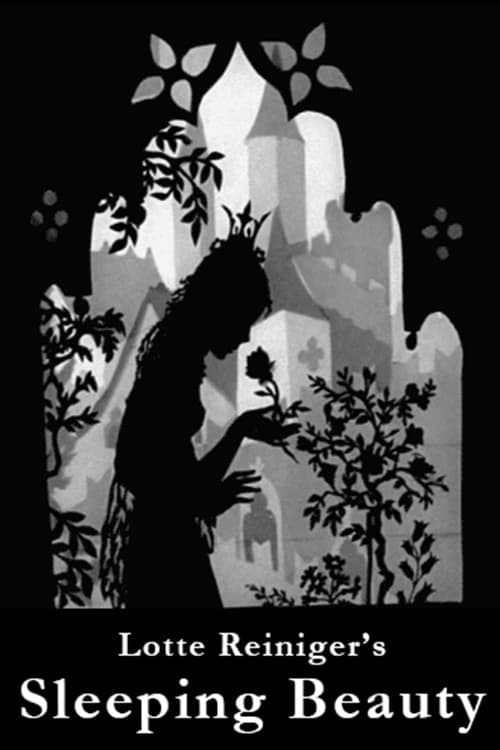
The Sleeping Beauty
1954
No user ratings available yet
Representation score: 2.5 out of 10
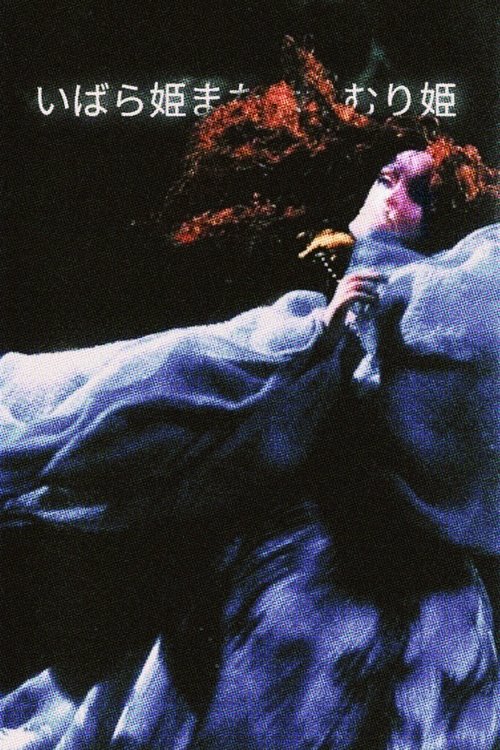
Representation Score
Limited
1990
Director
Kihachiro Kawamoto
Runtime
22 minutes
Average Rating
No ratings yetNew Showbiz Analysis
Kihachiro Kawamoto’s work prioritizes avant-garde aesthetic and philosophical inquiry over social representation. The film functions as a dream-like exploration of the subconscious, utilizing traditional puppet animation to navigate the cyclical nature of myth. Because the narrative is rooted in classical European folklore, it relies heavily on established archetypes. This results in a homogeneous visual landscape and a lack of representation reflecting multiple aspects of identity. While the film avoids promoting rigid, dogmatic morality through its subjective storytelling, it does not actively engage with contemporary social frameworks or diverse identity politics.
Category Breakdown
The film follows traditional romantic archetypes found in European fairy tales. It does not include any representation of LGBTQ+ identities or narratives that question the assumption that everyone is straight or cisgender.
The story focuses on a princess and her family history, following classic mythic structures. The protagonist gains a significant role in driving the story through her mother's diary, but characters largely inhabit roles defined by romantic legacies.
The production uses a stylized, folkloric European aesthetic. The visual landscape remains relatively homogeneous, adhering to traditional Western fairy tale clichés without evidence of diverse casting.
The narrative prioritizes universal themes of memory and time over rigid institutional values. It avoids overt political critiques, focusing instead on a dream-like, postmodern exploration of folklore.
There is no discernible representation of visible or invisible disabilities. Characters function primarily as archetypal figures within a mythic cycle.
Present on Screen
Limited or Absent
Official Synopsis
On her fifteenth birthday the princess finds a diary written by her mother when she was young. The diary tells of the Queen's secret, early love. The Princess goes into the forest to meet her mother's former lover. When she looks into his eyes, she realizes why her mother had fallen in love...
1954
1985
1992
2011

1997
1994
1954
1959
No reviews yet. Be the first to share your thoughts on this movie!
Use the rating form above to leave a star rating and optional review.