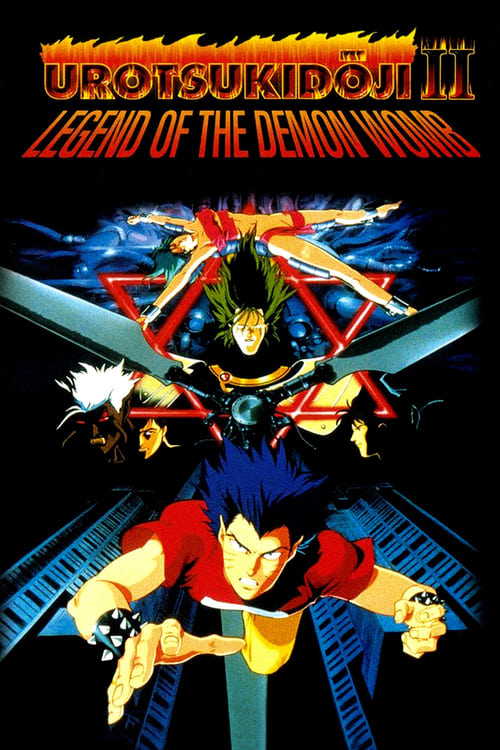
Urotsukidōji II: Legend of the Demon Womb
1991
No user ratings available yet
Representation score: 3.5 out of 10
Representation Score
Fair
1976
Director
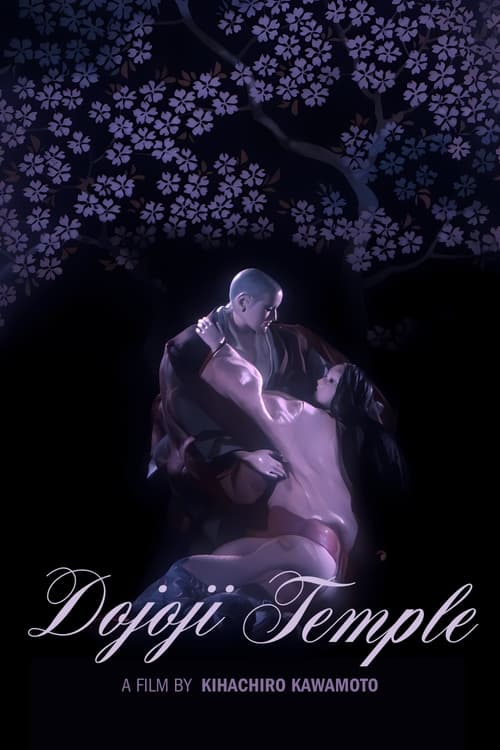
Kihachiro Kawamoto
Runtime
19 minutes
Average Rating
No ratings yetNew Showbiz Analysis
Dojoji Temple is a masterwork of traditionalist animation that prioritizes cultural preservation over modern social deconstruction. It succeeds in challenging gender norms by granting the female lead immense ability to act and terrifying power, moving her beyond the role of a passive character. However, the film remains strictly anchored in classical, traditionalist frameworks, avoiding engagement with contemporary identity politics or systemic critiques. Instead, it focuses on the cyclical nature of human obsession within a specific religious context. Ultimately, the work is a study of archetypal emotion rather than a vehicle for modern diversity, making it a culturally authentic but socially traditional experience.
Category Breakdown
The film follows traditional Japanese drama archetypes and focuses on the intense romantic relationship between a male pilgrim and a female protagonist, without including any non-straight or non-cisgender identities or queer themes.
The narrative centers around the female protagonist's strong role and psychological depth. She drives the plot through her supernatural powers, avoiding submissive stereotypes by portraying femininity as a powerful and transformative force.
The film presents a culturally homogeneous environment rooted in Japanese heritage, offering high cultural specificity while avoiding a Western perspective, though it does not diversify the ethnic landscape.
The story is embedded in Buddhist iconography and historical Japanese social structures, operating within a traditional cosmological framework where morality is tied to spiritual consequences and the supernatural.
There is no representation of neurodivergence or physical impairment as a lived experience. The protagonist's serpent transformation is a mythological event rather than a depiction of disability.
Present on Screen
Limited or Absent
Official Synopsis
Anchin, a young monk on a pilgrimage with his master, asks the widow Kiyohime to stay the night. The widow falls in love with him but he rejects her, lying that he will return.
1991

1973
1991
1968
1979
1991
2005
1972
No reviews yet. Be the first to share your thoughts on this movie!
Use the rating form above to leave a star rating and optional review.