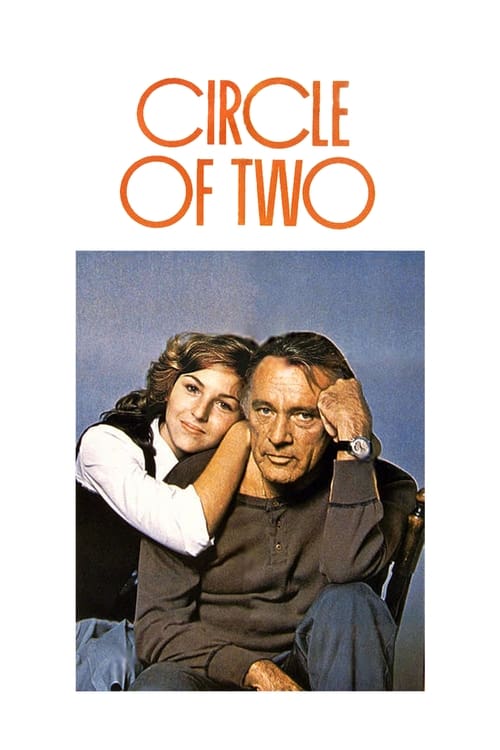
Circle of Two
1981
No user ratings available yet
Representation score: 3.1 out of 10

Representation Score
Minimal
1961
ApprovedDirector
Alexander Singer
Runtime
80 minutes
Average Rating
No ratings yetNew Showbiz Analysis
A Cold Wind in August serves as a mid-century domestic drama that delves into the tension between personal desires and societal expectations. By centering an older woman in a romantic relationship with a younger neighbor, the film touches on the boundaries of social transgression. However, the film primarily operates within the established social frameworks of its time. While it slightly disrupts age-based gender hierarchies, it lacks the layered complexity or broader cultural critique found in more progressive works. Ultimately, the film appears to be a conventional period piece that examines mid-century social structures without fully challenging the broader cultural landscape of 1961.
Category Breakdown
The film does not include any non-straight or non-cisgender identities or stories. The main conflict revolves around traditional age and gender roles.
The story challenges typical gender hierarchies by focusing on an older woman with romantic involvement. It is unclear if this challenges traditional views of femininity or simply explores social taboos.
The production likely follows the homogeneous casting practices of 1961. There is no indication of intentional racial diversity or casting actors from varied backgrounds.
The premise suggests a possible critique of mid-century social norms. The narrative may explore moral relativism by depicting unconventional choices as rebellions against societal norms.
No information is available regarding the inclusion or portrayal of characters with physical or neurodivergent disabilities.
Present on Screen
Limited or Absent
Official Synopsis
An older woman gets involved with her young neighbor.
1981

1965

1980

1961

1961

1959

1970

1966
No reviews yet. Be the first to share your thoughts on this movie!
Use the rating form above to leave a star rating and optional review.