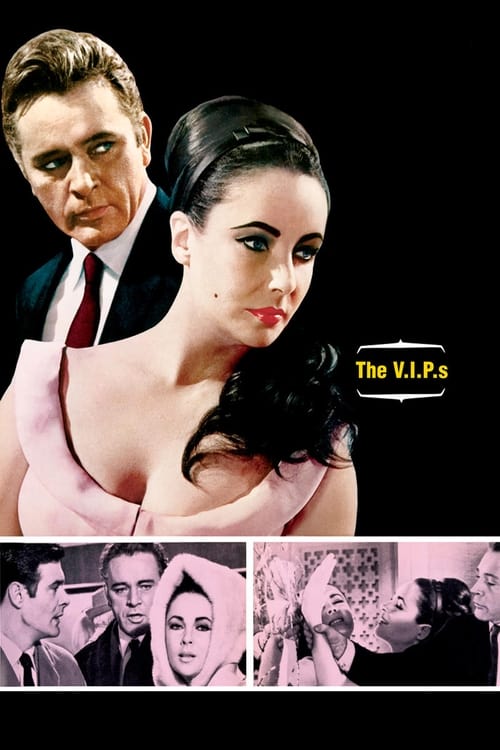
The V.I.P.s
1963
No user ratings available yet
Representation score: 1.8 out of 10
Representation Score
Minimal
1955
Director
Basil Dearden
Runtime
89 minutes
Average Rating
No ratings yetNew Showbiz Analysis
Basil Dearden’s drama explores the social realism of mid-century Britain, focusing on the tensions between individuals and the institutions of post-war society. While the film provides a sympathetic view of class-based struggles and the quest for social mobility, it remains confined to the demographic norms of its time. The movie does not offer much depth on overlapping identities, such as LGBTQ+ representation, diverse racial backgrounds, or female empowerment. Instead, it upholds traditional masculine leadership roles and the Anglo-Saxon cinematic standards of the 1950s. Ultimately, the film’s progressive value lies in its critique of systemic social stigmas rather than identity politics. It examines how strict class and employment structures hinder those trying to reintegrate into society.
Category Breakdown
The film does not show any clear examples of LGBTQ+ stories or non-cisgender identities. It focuses on the heterosexual relationships and gender norms of 1950s Britain.
The story mainly centers around male experiences, especially concerning work and recovery. Female characters have limited influence and follow traditional gender roles.
The cast mirrors the predominantly white population of the mid-1950s. There is no indication of significant non-white representation in the film.
The film looks at the conflicts between individuals and societal systems through a realistic lens. It highlights the tension between personal freedom and institutional control.
The film does not specifically address physical or neurological differences. It only touches on the social stigma associated with having a criminal record.
Present on Screen
Limited or Absent
Official Synopsis
Multiple stories unfold over the course of twenty-four hours in and around a bustling central airport.
1963

1950

1951
1958
1940

1946

1960

1970
No reviews yet. Be the first to share your thoughts on this movie!
Use the rating form above to leave a star rating and optional review.