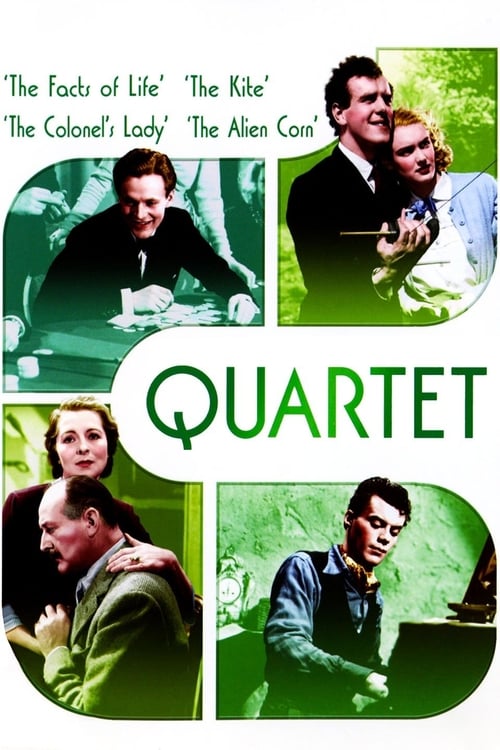
Quartet
1948
No user ratings available yet
Representation score: 0.9 out of 10
Representation Score
Limited
1950
Not RatedDirector
Harold French, Ken Annakin
Runtime
91 minutes
Average Rating
No ratings yetNew Showbiz Analysis
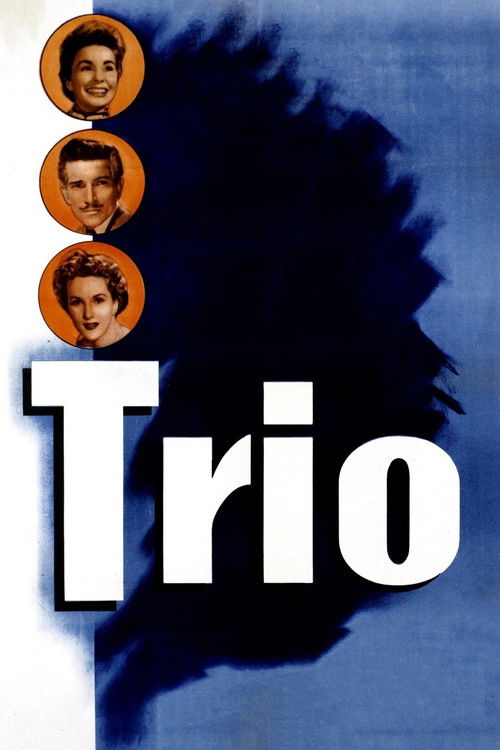
Trio (1950) is a traditional character study based on the cynical views of W. Somerset Maugham. The film focuses on individual psychological issues and the exposure of social hypocrisy rather than addressing broader societal inequalities. While the source material provides a basis for examining the erosion of conventional morality, the production is limited by the cinematic standards of the 1950s. This leads to a narrative that emphasizes psychological realism over diverse representation. Overall, the film serves as a typical drama of its time. It lacks the varied identities and cultural disruptions needed for a higher diversity rating.
Category Breakdown
The film does not show any clear representations of LGBTQ+ identities or same-sex relationships. Given the time period, these themes might be absent or hidden.
The movie explores complicated personal relationships and human flaws. While it may question traditional family structures, it still follows the gender roles typical of the era.
The film sticks to the standard casting practices of the mid-20th century. There is no significant representation of non-white characters in the main story.
The film offers a detailed look at personal morality and ethics. However, it doesn't challenge institutional norms and stays within the social boundaries of its time.
There is no clear indication of characters with physical or neurodevelopmental disabilities in the film.
Present on Screen
Limited or Absent
Official Synopsis
W. Somerset Maugham introduces three more of his stories about human foibles.
1948
1958
1951
1952
1931
1944
1955

1950
No reviews yet. Be the first to share your thoughts on this movie!
Use the rating form above to leave a star rating and optional review.