
La gallina clueca
1941
No user ratings available yet
Representation score: 2.2 out of 10
Representation Score
Minimal
1951
ApprovedDirector
Arthur Lubin
Runtime
107 minutes
Average Rating
No ratings yetNew Showbiz Analysis
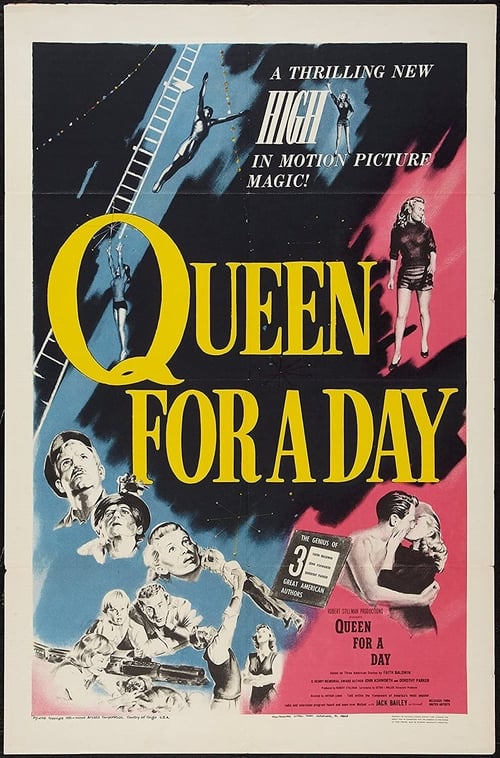
Queen for a Day serves as a quintessential mid-century melodrama, prioritizing conventional family structures and domestic stability. The film functions as a window into the era's social norms rather than a tool for subversion. The narrative structure relies heavily on traditional hierarchies. While women are the central figures, their roles are limited to the domestic sphere, reinforcing rather than disrupting established gender roles. Ultimately, the film lacks intentionality regarding diversity. It presents a homogeneous view of society that aligns with the period's dominant Anglo-Saxon and straight-centered standards.
Category Breakdown
The film contains no LGBTQ+ characters or narratives. It adheres strictly to the assumption that everyone is straight or cisgender, reflecting the social norms of the early 1950s.
While the film centers on female experiences, these roles are confined to traditional mid-century domesticity. Women navigate emotional crises through sacrifice and labor within established gender hierarchies.
The narrative reflects a homogeneous social environment consistent with 1951 production standards. There is no evidence of a diverse cast or the blending of racial identities.
The film reinforces the nuclear family as a social stabilizer rather than challenging Western institutions. It upholds the moral and social standards of the mid-20th century.
There is no evidence of characters with visible or invisible disabilities. The focus remains on socio-emotional domestic crises rather than physical or neurodivergent representation.
Present on Screen
Limited or Absent
Official Synopsis
Adapted from the TV and radio series of the same name, the producer of said show reads letters from three woman providing the framing story for this melodrama anthology film. The tales focus on parenting and family struggles.
1941

1945
1941

1956
1940

1937
1945
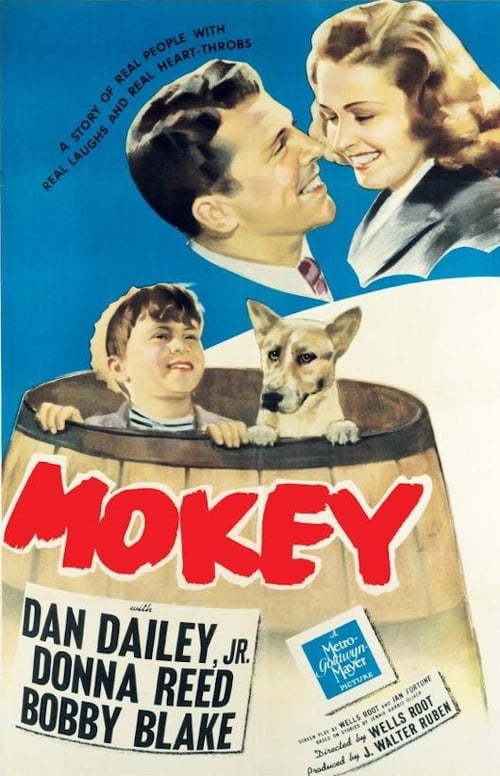
1942
No reviews yet. Be the first to share your thoughts on this movie!
Use the rating form above to leave a star rating and optional review.