
Only People
1957
No user ratings available yet
Representation score: 6.7 out of 10
Representation Score
Limited
1964
Director
Karel Kachyňa
Runtime
71 minutes
Average Rating
No ratings yetNew Showbiz Analysis
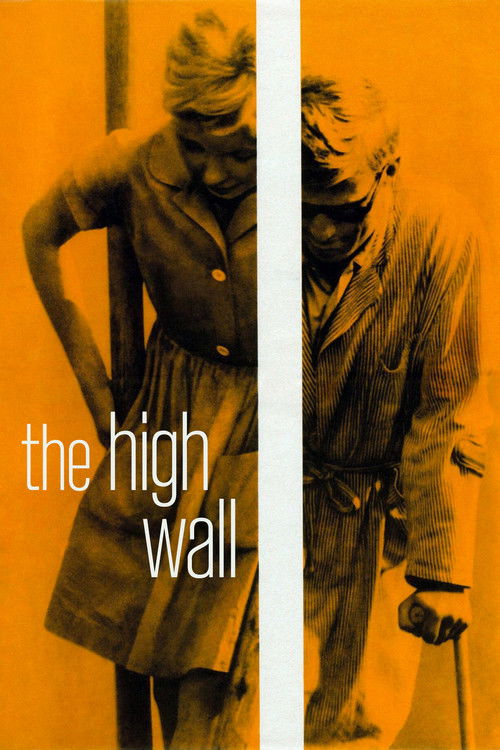
The High Wall is a significant work of the Czechoslovak New Wave that prioritizes systemic critique over demographic diversity. It excels at using its setting to challenge the legitimacy of state institutions and explore the tension between individuals and the state. However, the film lacks multi-layered diversity. It features an ethnically homogeneous cast and lacks LGBTQ+ representation, adhering to the demographic realities of its 1964 production era. While the film provides a nuanced look at human dignity against oppression, its representation of gender and disability remains limited by traditional narrative structures.
Category Breakdown
The film does not include any LGBTQ+ characters or narratives. It centers on interpersonal relationships within a traditional social structure.
The story is dominated by male characters, with women playing minor roles and lacking significant influence over the main conflicts.
The cast is ethnically uniform, reflecting the mid-century Czechoslovakian context. There is no diverse ethnic representation.
The film offers a sophisticated critique of systemic authority and institutional morality. It portrays the struggle for personal dignity against an oppressive state system.
A character dealing with paralysis is central to the story. While offering meaningful representation, the condition primarily serves as a catalyst for emotional development.
Present on Screen
Limited or Absent
Official Synopsis
Jitka is a 12-year-old girl who feels the first stirring of love. She becomes friends with a young man who is hospitalized with paralysis. Jitka visits the man every day and witnesses his slow recovery, but she is unaware that she could have deeper feelings for him.
1957

1965
1996

1966

1988
1969

1962
1984
No reviews yet. Be the first to share your thoughts on this movie!
Use the rating form above to leave a star rating and optional review.