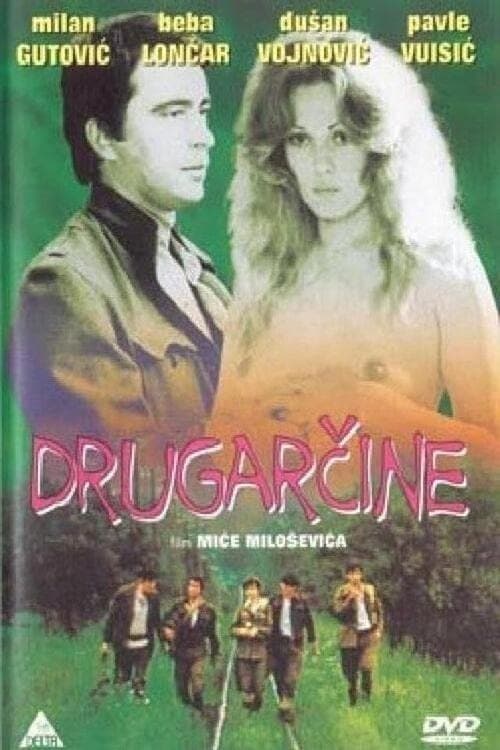
The Pals
1979
No user ratings available yet
Representation score: 5.6 out of 10
Representation Score
Fair
1984
Director
Rajko Ranfl
Runtime
90 minutes
Average Rating
No ratings yetNew Showbiz Analysis
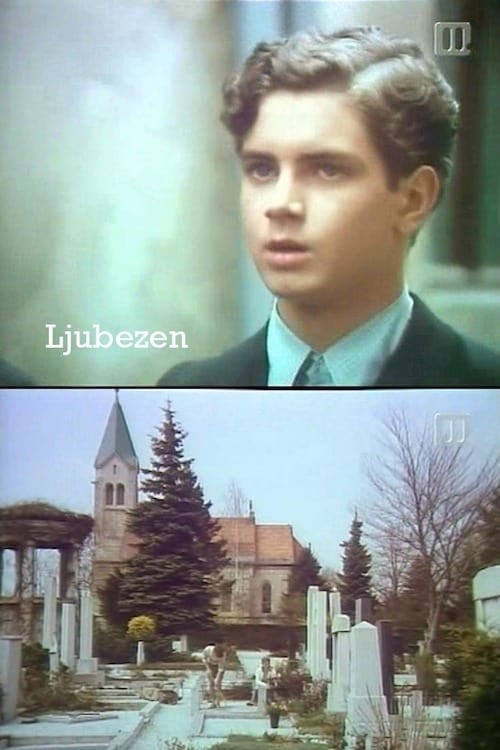
Love (1984) is a period drama that prioritizes historical and sociopolitical realism over broad demographic representation. It succeeds in portraying the friction between individual ability to act and the shifting loyalties required by wartime occupation. The film's strength lies in its nuanced character studies, particularly how women act as catalysts for change rather than passive observers. However, the narrative remains largely confined to traditional romantic and ethnic frameworks. Ultimately, the film offers a sophisticated look at how systemic upheaval deconstructs identity, even if it lacks explicit diversity in terms of LGBTQ+ or disability representation.
Category Breakdown
The film focuses on a heterosexual coming-of-age journey. Marjan’s sexual awakening is explored through his relationship with Lenka, but there are no queer identities represented.
Female characters play crucial roles in driving the story's emotional and moral complexity. Milena, in particular, uses her ability to act to navigate power dynamics and influence the protagonist's loss of innocence.
The cast reflects the ethnic realities of 1940s Ljubljana. The presence of Italian and German occupying forces highlights the tensions of colonial and imperial dominance.
The story critiques institutional stability by depicting post-war authorities as fallible. It emphasizes how war and political realignment destabilize traditional family and social units.
There is no discernible evidence regarding the inclusion of characters with physical or neurodivergent disabilities.
Present on Screen
Limited or Absent
Official Synopsis
In 1940, shortly before the outbreak of war, a young boy Marjan lives a carefree life with his gang in Ljubljana, experiencing all the problems of his age. With Lenka he's experiencing his first "pure" love, while discovering sexuality... The Italian occupation brings many changes, gang breaks up, some join the liberation movement, the others join collaborationist forces. Marjan remain "unlisted". Italians surrender, and hand over the city to Germans. Frivolous Milena, who has good connections with them, seduces Marjan whom she lost her innocence with. The war is over and the partisans win. The new authorities mistakenly imprison Marjan.
1979
1954

2015

2004
1966
1968
1996
1964
No reviews yet. Be the first to share your thoughts on this movie!
Use the rating form above to leave a star rating and optional review.