
Brief Encounters
1967
No user ratings available yet
Representation score: 3.0 out of 10
Representation Score
Fair
1962
Director
Jovan Živanović
Runtime
103 minutes
Average Rating
No ratings yetNew Showbiz Analysis
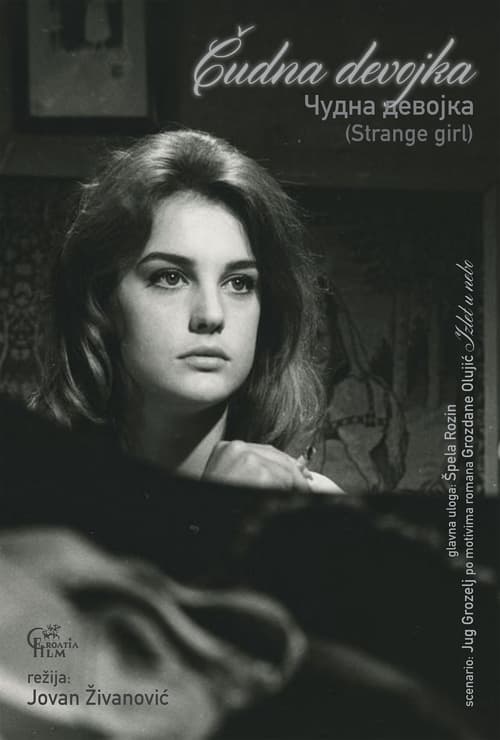
Strange Girl is a character-driven drama that highlights the journey of a woman seeking independence and self-discovery. By focusing on Minja’s decision to leave her provincial life, the film presents a narrative of personal transformation rather than passive victimhood. However, the film is limited by the social context of its time. It does not include LGBTQ+ representation or address racial or ethnic diversity, reflecting the demographic uniformity of 1960s Yugoslavia. Ultimately, the film functions well as a critique of provincial morality, even though it lacks a broader scope of diverse representation.
Category Breakdown
The story centers on a heterosexual relationship between Minja and her professor. There are no queer-coded characters or non-straight relationships in the plot.
Minja is portrayed as an active protagonist who takes control of her life by escaping her provincial hometown. Her journey towards self-discovery in the city challenges traditional social restrictions.
The film reflects the demographic uniformity of 1962 Yugoslavia. It does not prioritize overturning racial hierarchies or include multi-ethnic casting.
The film contrasts a restrictive provincial town with a transformative city, critiquing rigid social institutions. It emphasizes personal truth over communal moral rules.
There is no mention of characters with visible or invisible disabilities in the synopsis.
Present on Screen
Limited or Absent
Official Synopsis
Minja, a 19-year-old girl leaves her provincial town after her affair with the professor of drawing in order to avoid the scandal. In the big city, she meets Nenad and changes under the influence of love.
1967

1958
1969

1965

1977
1960

1970

2001
No reviews yet. Be the first to share your thoughts on this movie!
Use the rating form above to leave a star rating and optional review.