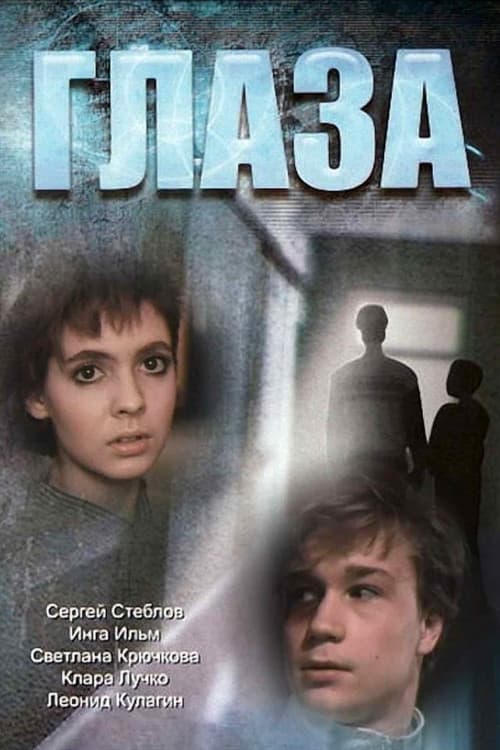
Eyes
1992
No user ratings available yet
Representation score: 5.1 out of 10
Representation Score
Good
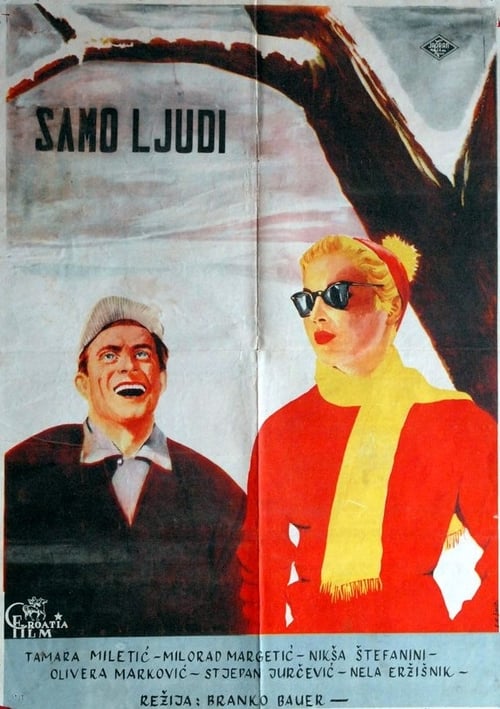
1957
Director
Branko Bauer
Runtime
106 minutes
Average Rating
No ratings yetNew Showbiz Analysis
Branko Bauer’s drama stands out for its humanistic approach to characters defined by physical limitations and post-war trauma. By centering the narrative on a disabled engineer and a blind woman, the film moves beyond the idealized protagonist clichés common in 1950s cinema. While the film adheres to the era's conventional romantic structures and homogeneous social settings, it offers significant depth through its focus on disability. The characters' roles are tied to their internal struggles with their impairments, providing a nuanced view of identity. Ultimately, the film succeeds in portraying the psychological complexities of 'imperfect' individuals, even while remaining within the traditional demographic and romantic constraints of its time.
Category Breakdown
The film focuses on a traditional heterosexual relationship between an engineer and a blind woman. There are no indications of queer subtext or non-straight identities in the narrative.
The story revolves around a woman's journey to regain her sight, placing her in a vulnerable position. However, the central partnership suggests a mutual emotional support.
Set in a Yugoslavian mountain sanatorium, the film seems to focus on a homogeneous social group. There is no indication of multi-ethnic casting or the subversion of ethnic hierarchies.
The film avoids Western triumphalism by focusing on human vulnerability. It prioritizes the lived experiences of those with physical and sensory impairments over idealized strength.
Disability is central to the plot, featuring both a one-legged veteran and a blind woman. The narrative explores the psychological negotiation of these conditions rather than using them for pity.
Present on Screen
Limited or Absent
Official Synopsis
An one-legged engineer of hydro construction, a war veteran meets a blind girl in a mountain sanatorium of Ophthalmology during winter. She's waiting for a surgery that will restore her eyesight. Soon the two fall in love with each other, but he feels unpleasant because of his handicap she's yet aware of.
1992
2011
1950
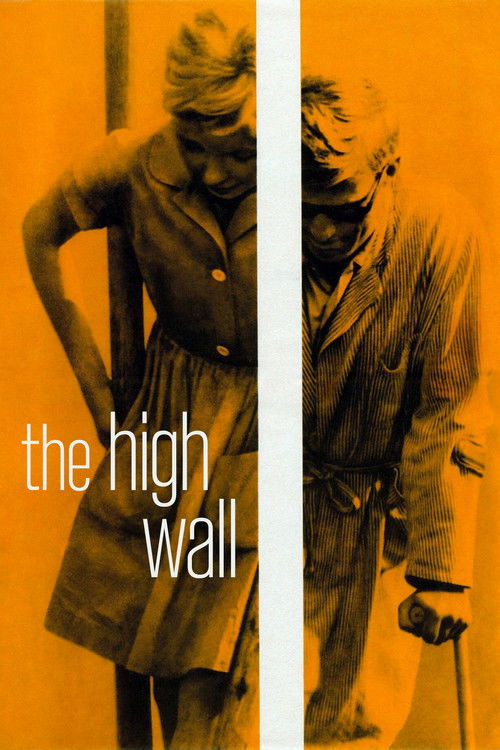
1964
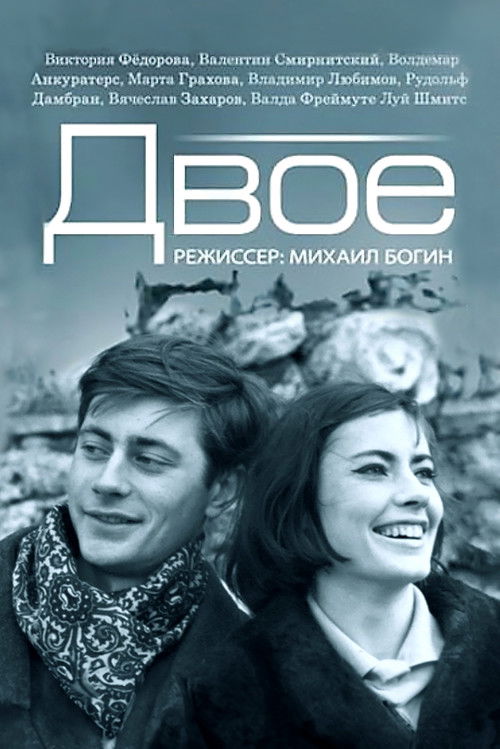
1965
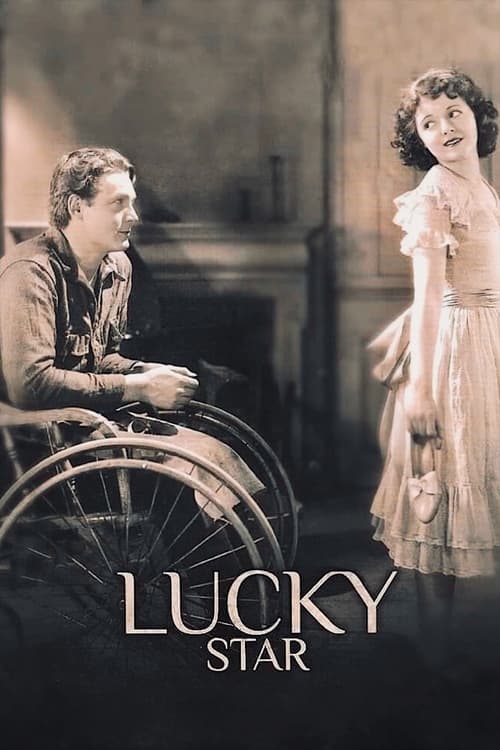
1929
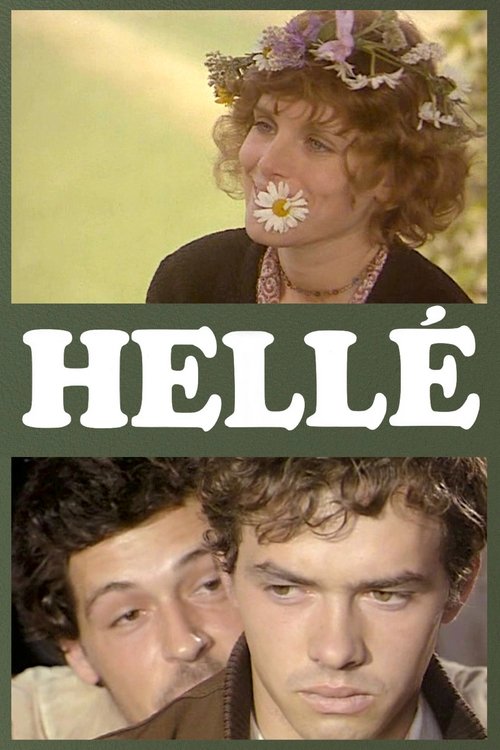
1972
1988
No reviews yet. Be the first to share your thoughts on this movie!
Use the rating form above to leave a star rating and optional review.