Roula
1995
No user ratings available yet
Representation score: 4.3 out of 10
Representation Score
Fair
1996
Director
Ivan Fíla
Runtime
100 minutes
Average Rating
No ratings yetNew Showbiz Analysis
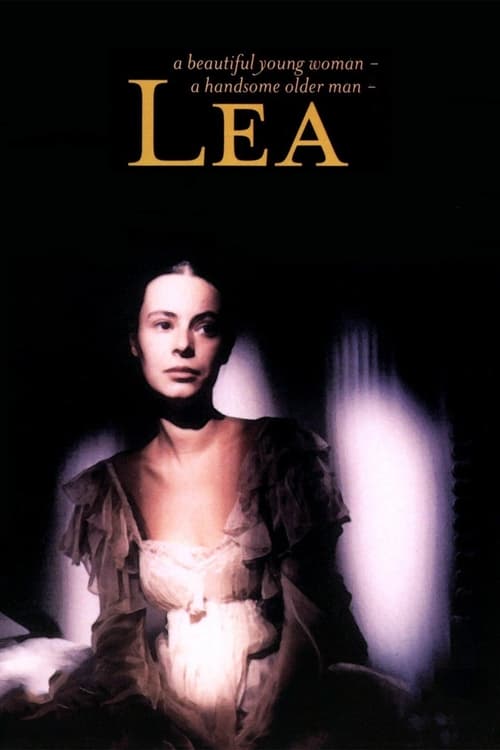
Lea is a localized, psychologically-driven drama that prioritizes character depth over demographic breadth. It succeeds in subverting traditional gender archetypes by focusing on the internal landscapes of its protagonists and the vulnerability of the male lead. However, the film remains culturally and ethnically narrow, functioning as a specific Czech period piece without broader characters who reflect more than one aspect of diversity. The narrative is built on a traditional straight-centered foundation, offering little space for LGBTQ+ perspectives. Ultimately, the film's strength lies in its nuanced handling of psychological disability and female subjectivity, even as it remains rooted in a homogeneous social environment.
Category Breakdown
The film operates within a strictly straight-centered framework. The central romantic and spiritual bond is exclusively between a man and a woman.
The narrative centers on female subjectivity and the weight of female trauma. It avoids typical gender hierarchies by portraying the male protagonist as emotionally vulnerable.
The cast is ethnically homogeneous, reflecting the specific demographic realities of a rural Czech setting. There is no intentional multi-ethnic casting.
The story prioritizes individual emotional truth over institutional religious or social codes. It deconstructs traditional family sanctity by highlighting domestic violence and trauma.
Lea’s selective mutism is treated as a complex psychological symptom rather than a tool for pity. The film explores her non-verbal communicative abilities.
Present on Screen
Limited or Absent
Official Synopsis
51-year-old Herbert Strehlow, a furniture restorer, falls in love with 21-year-old Lea, who has not spoken a word since childhood when her father killed her mother. She bears a striking resemblance to Herbert's dead wife. They get married, but their relationship seems doomed, until gradually each one manages to penetrate the mysterious world of the other, and they begin to realize that they are bound by a kind of spiritual relationship. For Lea it is the death of her mother, for Herbert it is the death of his first wife. His hard exterior slowly beings to thaw, and he starts to show feelings and responses that soften Lea's initial hatred and fear of him, and which put their relationship in a more positive light.
1995
1974

1988

1971
1964
1938

2004
2001
No reviews yet. Be the first to share your thoughts on this movie!
Use the rating form above to leave a star rating and optional review.