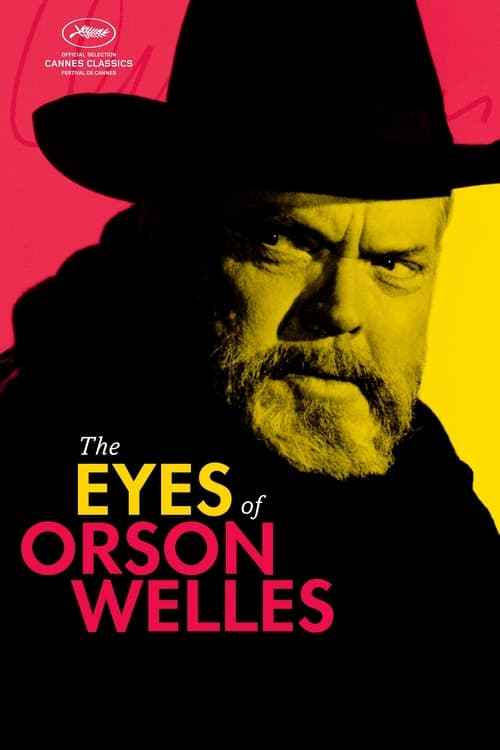
The Eyes of Orson Welles
2018
No user ratings available yet
Diversity score: 4.8 out of 10
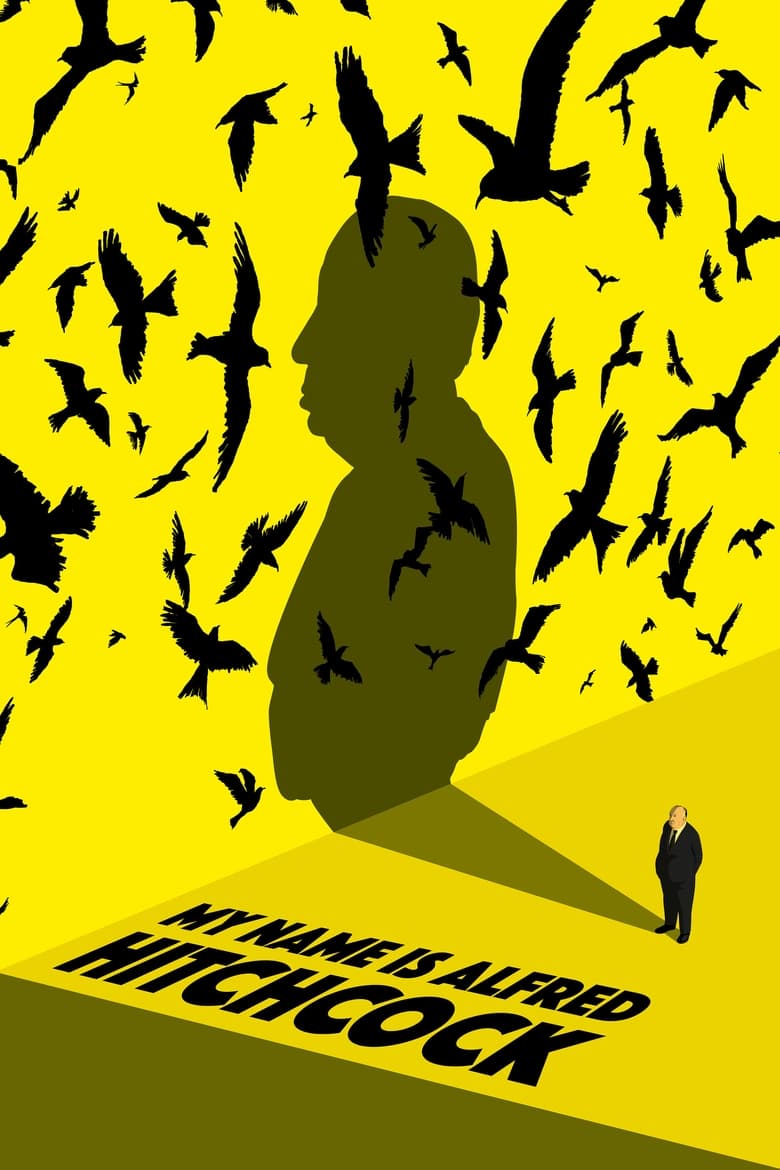
2023
Director
Mark Cousins
Runtime
120 minutes
Average Rating
No ratings yetSynopsis
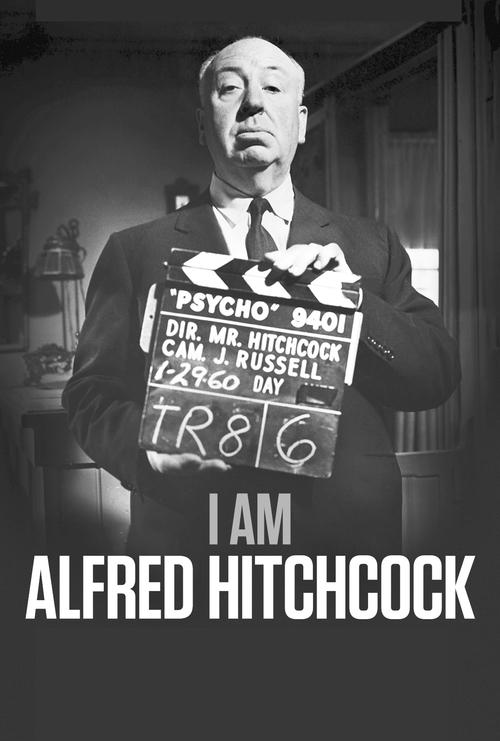
Directed by Mark Cousins, My Name is Alfred Hitchcock re-examines the vast filmography and legacy of one of the 20th century’s greatest filmmakers, Alfred Hitchcock, through a new lens: through the auteur’s own voice.
Overall Score
Fair
Category Breakdown
LGBTQ+ Representation
The film explores the subtextual queer coding found within Hitchcock's suspense thrillers. It examines how tension and voyeurism navigated the social constraints of the era, though it does not center on explicit identities.
Gender Representation
The documentary analyzes the agency of female protagonists, moving beyond the 'damsel in distress' trope. It uses Hitchcock's own voice to examine how gendered power dynamics were constructed within his visual frameworks.
Racial & Ethnic Diversity
The focus remains on the mid-20th century Western cinematic canon, which was characterized by significant racial homogeneity. The film does not prioritize intersectional racial narratives within its technical analysis.
Religious & Cultural Diversity
The narrative challenges traditional film history by prioritizing a subjective, psychological interpretation of the auteur. It moves away from institutionalized views toward a more relativistic understanding of cinematic art.
Disability Representation
There is no explicit focus on disability representation. Any mention of such themes would likely be secondary to the study of psychological tension and physical suspense as cinematic tools.
Strengths
Areas for Improvement
AI Analysis
Mark Cousins delivers a sophisticated cinematic essay that deconstructs the myth of the filmmaker. By utilizing Hitchcock's archival voice, the documentary shifts from simple celebration to a meta-commentary on visual language and power dynamics. The film's limitations are largely a product of its subject matter. Because it examines the Hollywood studio system of the 1940s through the 1960s, it inherently deals with a period of significant racial and social homogeneity. Ultimately, the documentary's strength lies in its interrogation of how gender and subtext were utilized. It offers a complex look at the mechanics of 20th-century storytelling rather than a traditional, celebratory retrospective.
2018
2021
2021
2021
2002
1999
2018

2006

2015

2009
1999

2025
No reviews yet. Be the first to share your thoughts on this movie!
Use the rating form above to leave a star rating and optional review.