
78/52
2017
No user ratings available yet
Representation score: 0.3 out of 10
Representation Score
Minimal
2015
PG-13Director
Kent Jones
Runtime
81 minutes
Average Rating
No ratings yetNew Showbiz Analysis
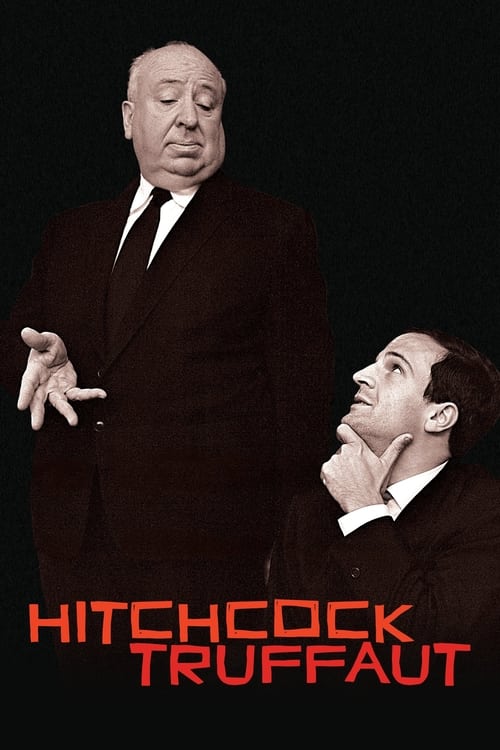
Hitchcock/Truffaut is a specialized academic study that prioritizes film historiography over social representation. By focusing on the intersection of two specific directorial legacies, the film maintains a highly narrow demographic scope. The documentary functions as a formalist exploration of established Western film traditions. It does not attempt to disrupt conventional expectations regarding identity, gender, or systemic power dynamics. Ultimately, the film's commitment to scholarly cinematic history results in a lack of diversity, as it centers on the white, male-dominated history of mid-century filmmaking.
Category Breakdown
The documentary focuses on cinematic theory and the professional relationship between Hitchcock and Truffaut. It contains no LGBTQ+ characters or critiques of the assumption that everyone is straight or cisgender.
The film emphasizes the technical philosophies of men, reinforcing the patriarchal studio systems of the era. It lacks women's ability to drive the story or women in creative authority.
The scope is culturally homogeneous, focusing on white historical figures within the Hollywood and French New Wave traditions. No diverse casting or racial dynamics are present.
This work preserves Western cinematic tradition and the auteur theory. It upholds the prestige of classical Hollywood and European art-house institutions.
The narrative centers on directorial technique and film language. There are no depictions of neurodivergence, physical disabilities, or mental health conditions.
Present on Screen
Limited or Absent
Official Synopsis
Filmmakers discuss the legacy of Alfred Hitchcock and the book “Hitchcock/Truffaut” (“Le cinéma selon Hitchcock”), written by François Truffaut and published in 1966.
2017
2016
1999
1995
2012
2021
1999
1999
No reviews yet. Be the first to share your thoughts on this movie!
Use the rating form above to leave a star rating and optional review.