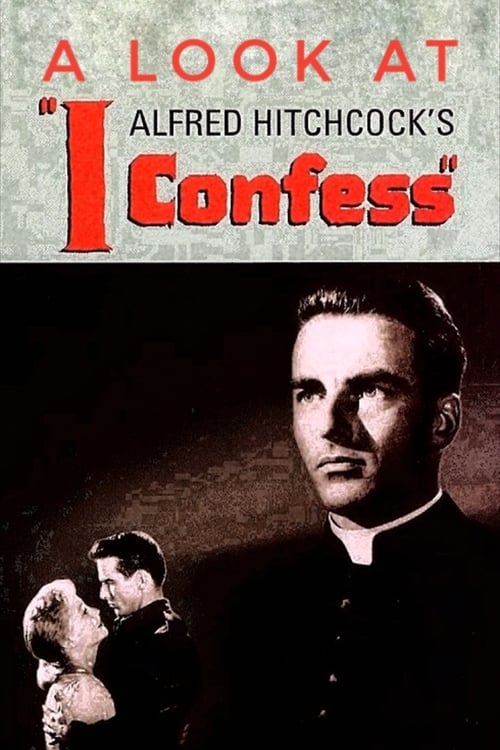
Hitchcock's Confession: A Look at I Confess
2004
No user ratings available yet
Representation score: 2.3 out of 10
Representation Score
Minimal
2004
Director
Laurent Bouzereau
Runtime
22 minutes
Average Rating
No ratings yetNew Showbiz Analysis
Laurent Bouzereau’s documentary serves as an archival retrospective of Alfred Hitchcock’s *Dial M for Murder*. The film focuses on technical analysis and the preservation of cinematic history, making it less of a platform for social commentary or identity-driven narratives. The low diversity scores reflect the era being studied, mirroring the mid-century Hollywood norms of the original 1954 production, which lacked significant racial, gender, or LGBTQ+ representation. Ultimately, the film is an educational look at the mechanics of filmmaking, prioritizing the legacy of a Western icon over contemporary multi-layered frameworks or the exploration of diverse lived experiences.
Category Breakdown
The documentary does not include any stories or characters related to LGBTQ+ individuals. It focuses on the historical context of a 1954 thriller rather than exploring LGBTQ+ identities.
The film emphasizes Hitchcock's direction and the mechanics of suspense. It does not explore subversions of gender roles or critiques of traditional masculinity and femininity.
Reflecting the casting practices of 1954 Hollywood, the film lacks racial diversity. There is no indication of casting actors from various racial backgrounds.
The documentary celebrates classic Hollywood filmmaking and its iconic figures. It prioritizes technical achievements over the examination of diverse cultural backgrounds.
The documentary does not address neurodivergence, physical disabilities, or mental health conditions. These themes are not part of the historical focus of the film.
Present on Screen
Limited or Absent
Official Synopsis
A retrospective look at the brilliance of Alfred Hitchcock's 'Dial M for Murder.'
2004
2015

2001

2017

2000
2000
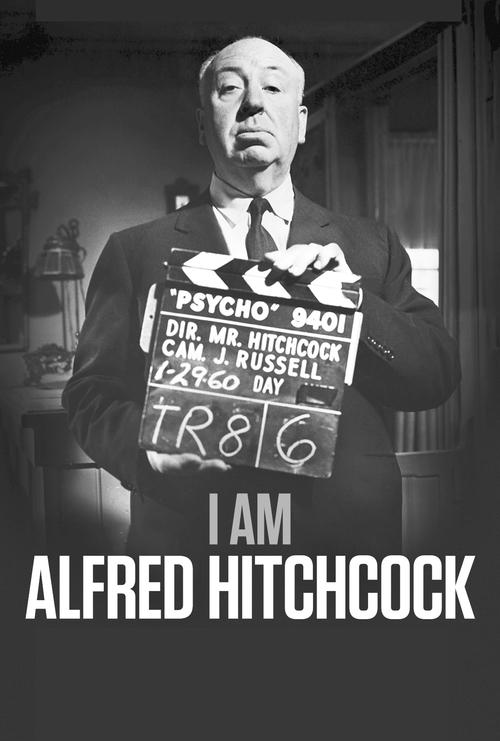
2021

2023
No reviews yet. Be the first to share your thoughts on this movie!
Use the rating form above to leave a star rating and optional review.