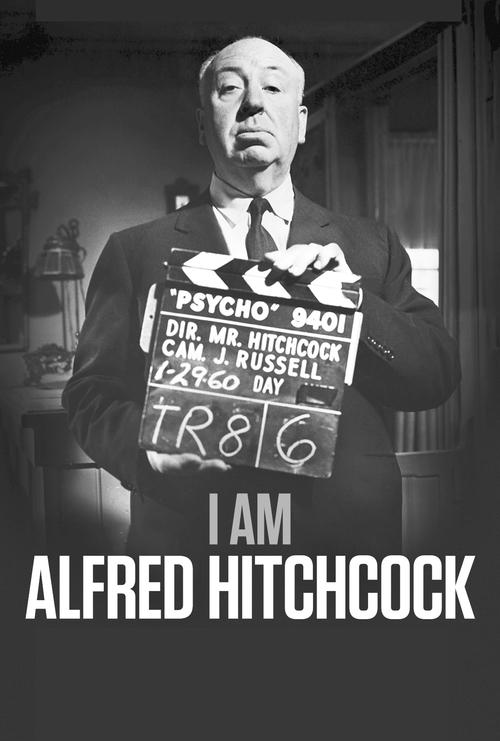
I Am Alfred Hitchcock
2021
No user ratings available yet
Representation score: 3.3 out of 10
Representation Score
Limited
1999
Average Rating
No ratings yetNew Showbiz Analysis
This 1999 documentary serves as a historical and technical overview of Alfred Hitchcock's cinematic legacy. It primarily reflects historical norms rather than serving as a tool for progressive change. The film's diversity is limited by the traditional frameworks of Hitchcock's original works. While it may explore complex psychological themes, it remains tied to the era's homogeneous structures. Overall, the documentary captures a master's career through a lens that reflects the homogeneous and gendered norms of the studio era.
Category Breakdown
The documentary likely explores hidden queer themes and unexpressed desires in Hitchcock's films. However, it lacks the clear, positive LGBTQ representation found in modern media.
The film focuses on the 'Hitchcock Blonde' stereotype and the perspective of men. It follows traditional cinematic structures common in late-90s retrospectives.
Hitchcock's films typically feature mostly white actors. There is little evidence of diverse racial perspectives or challenging the predominantly Anglo-centric casting.
The work may highlight Hitchcock's skill in creating suspense as a disruption of moral certainty. This focus on psychological complexity adds to its cultural relevance.
There is no indication that neurodivergence or physical disabilities are central themes or character roles in this documentary.
Present on Screen
Limited or Absent
2021
2015
2023

2017
1999
2004
2001

1999
No reviews yet. Be the first to share your thoughts on this movie!
Use the rating form above to leave a star rating and optional review.