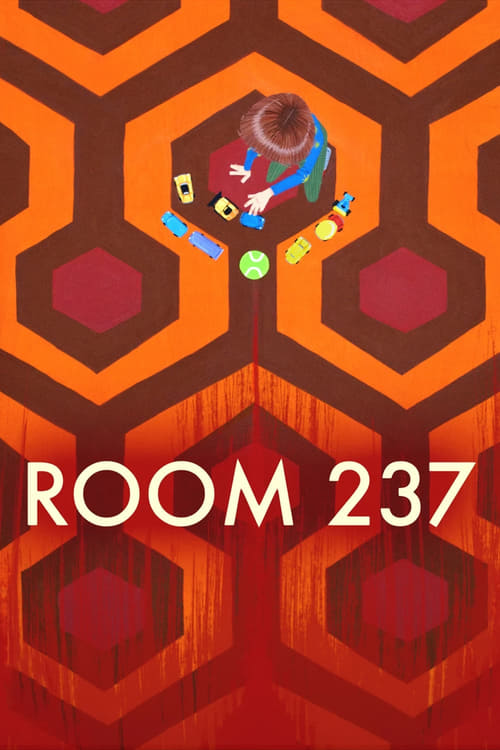
Room 237
2012
No user ratings available yet
Representation score: 5.1 out of 10

Representation Score
Minimal
2017
Not RatedDirector
Alexandre O. Philippe
Runtime
91 minutes
Average Rating
No ratings yetNew Showbiz Analysis
78/52 is a specialized technical study that prioritizes the mechanics of film editing and visual rhythm over social storytelling. By breaking down the specific rhythm of Hitchcock's shower scene, the film focuses on the relationship between a filmmaker and his medium. Since the goal is to analyze the visual language of film editing, the documentary lacks the narrative structure to explore overlapping aspects of identity. Instead, it serves as a detailed examination of a pivotal cinematic moment without delving into human social dynamics. The film adheres to traditional cinematic history, celebrating the Western canon without challenging conventional expectations of identity or social hierarchy.
Category Breakdown
The documentary does not include any LGBTQ+ narratives or non-cisgender identities. It focuses solely on the technical aspects of film history and Alfred Hitchcock's directorial methods.
Gender dynamics are limited by the film's focus on mid-century Hollywood and technical production processes. The narrative does not emphasize female empowerment or challenge traditional gender roles.
The film offers minimal racial or ethnic diversity. It centers on the Anglo-centric history of Hollywood and the legacy of Alfred Hitchcock.
The film operates within traditional film studies and historical preservation. It celebrates the established cinematic canon without engaging with post-colonial or secular critiques.
There is no representation of physical, neurodivergent, or mental health disabilities. These themes do not drive the narrative or character development.
Present on Screen
Limited or Absent
Official Synopsis
The most famous murder scene in movie history comprises 78 camera settings and 52 cuts: the shower scene in Alfred Hitchcock's Psycho. 78/52 tells the story of the man behind the curtain and his greatest obsession.
2012
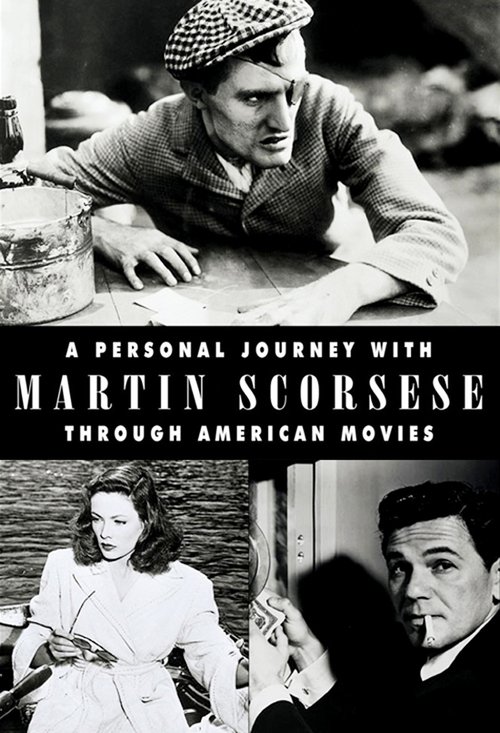
1995
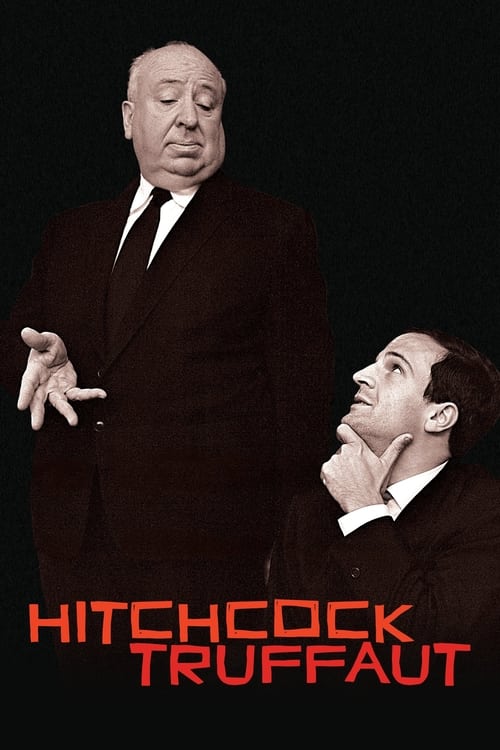
2015
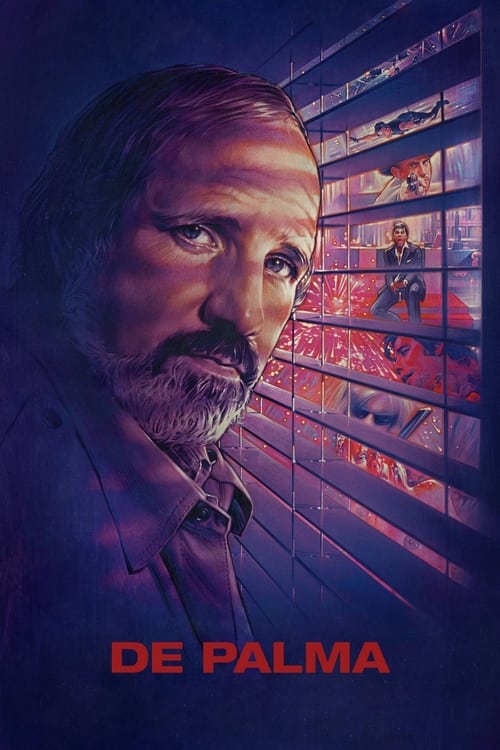
2016

2017
1988
2021

2019
No reviews yet. Be the first to share your thoughts on this movie!
Use the rating form above to leave a star rating and optional review.