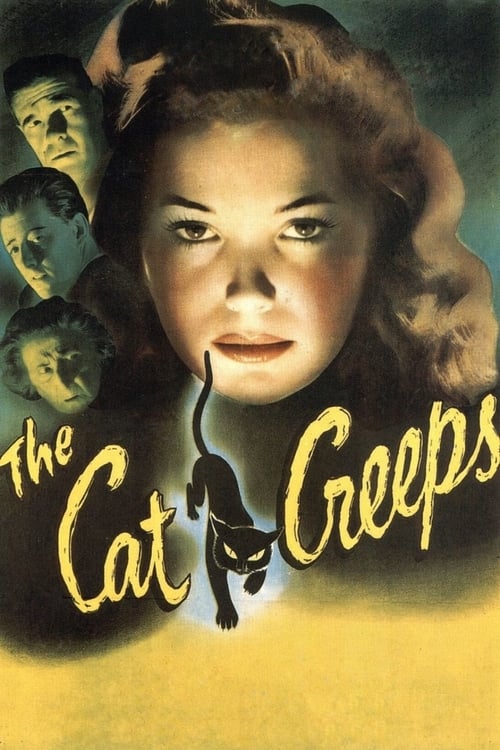
The Cat Creeps
1946
No user ratings available yet
Representation score: 3.0 out of 10

Representation Score
Minimal
1945
NRDirector
Walter Colmes
Runtime
68 minutes
Average Rating
No ratings yetNew Showbiz Analysis
Woman Who Came Back is a period-typical horror-mystery that adheres to the standard social hierarchies of the 1940s. While it centers on a female experience, the narrative frames her through a lens of victimhood and supernatural torment. The film lacks demographic breadth, offering no representation for LGBTQ+ identities, racial diversity, or disability. It functions as a conventional genre piece rather than a tool for social or ideological disruption. Ultimately, the story focuses on personal and psychological ordeals rather than systemic or sociopolitical issues, keeping it firmly within the storytelling parameters of its era.
Category Breakdown
The film does not include any explicitly queer characters or narratives. The story focuses on traditional interpersonal dynamics without any queer subtext or identities.
A central female character provides narrative focus. However, her role is defined by vulnerability and torment rather than challenging gender hierarchies.
The production reflects the homogeneous demographic norms of 1945. There is no evidence of diverse casting or significant roles for non-white characters.
Themes rely on traditional folklore and moralistic frameworks common to the horror genre. The film does not critique Western institutions or systemic power structures.
There is no evidence of characters with visible or invisible disabilities. Neurodivergence or physical impairment are not used as narrative devices.
Present on Screen
Limited or Absent
Official Synopsis
A young woman is tormented by the belief that she is the victim of a witch's curse.
1946
1945
1944
1944
1961

1961
1960
1972
No reviews yet. Be the first to share your thoughts on this movie!
Use the rating form above to leave a star rating and optional review.