
Dev
2004
No user ratings available yet
Diversity score: 6.4 out of 10

1980
Director
Govind Nihalani
Runtime
144 minutes
Average Rating
No ratings yetSynopsis
In the 1980s, a lawyer defends a tribal man who is under arrest for killing his own wife. As he proceeds with the case, he learns about the harsh life of scheduled tribes in India.
Overall Score
Good
Category Breakdown
LGBTQ+ Representation
The film contains no LGBTQ+ characters or themes. The narrative focuses exclusively on caste, gender, and class dynamics within a rural setting.
Gender Representation
The story disrupts traditional hierarchies by centering on the systemic subjugation of women. It exposes how patriarchal control and gendered violence are weaponized by those in power.
Racial & Ethnic Diversity
The film offers a profound exploration of Adivasi marginalization. It challenges dominant social strata by portraying tribal communities with agency rather than as mere background elements.
Religious & Cultural Diversity
The narrative critiques established institutions like the legal and police systems. It portrays these structures as instruments of oppression used by the elite to maintain the status quo.
Disability Representation
There are no central depictions of physical or neurodivergent disabilities within the narrative arc.
Strengths
Areas for Improvement
AI Analysis
Aakrosh is a powerful exercise in social realism that prioritizes the lived experiences of the marginalized. By centering the Adivasi struggle and the systemic violence against women, the film moves beyond simple storytelling to provide a rigorous critique of institutional corruption. The film excels at dismantling the myth of a unified national identity, instead highlighting the friction between the oppressed and the state. Its strength lies in its refusal to romanticize the legal system, presenting it instead as a tool for maintaining caste and class hierarchies. While the film lacks representation for LGBTQ+ identities and disabilities, its intense focus on intersectional oppression creates a deeply impactful social commentary.
2004

1974
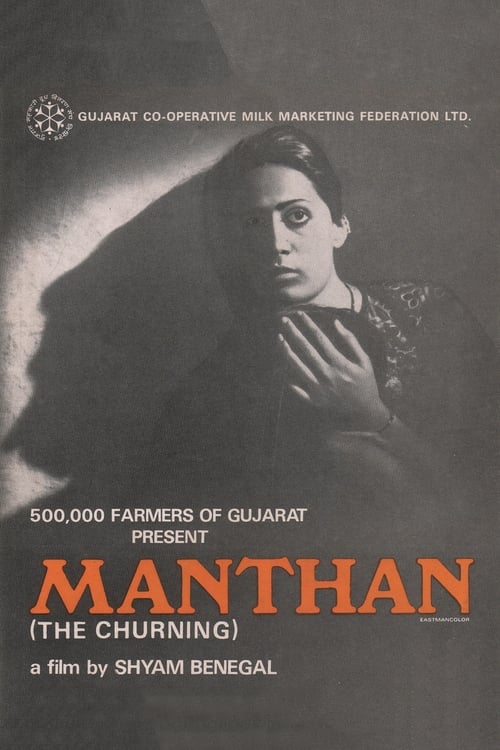
1976
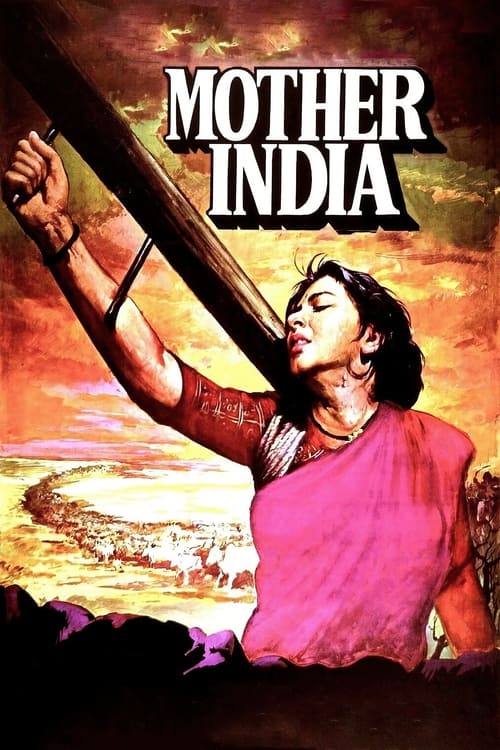
1957

2019

1983

1936
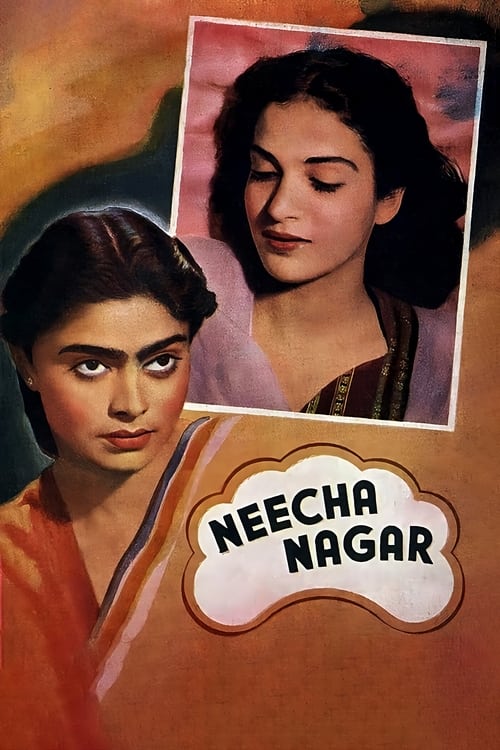
1946

2018
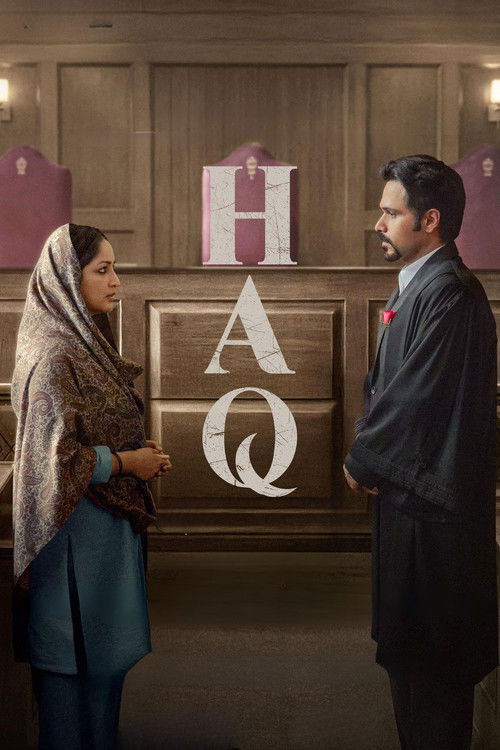
2025

1979

1995
No reviews yet. Be the first to share your thoughts on this movie!
Use the rating form above to leave a star rating and optional review.