
Gangaajal
2003
No user ratings available yet
Representation score: 4.3 out of 10
Representation Score
Limited
1983
Director
Govind Nihalani
Runtime
123 minutes
Average Rating
No ratings yetNew Showbiz Analysis
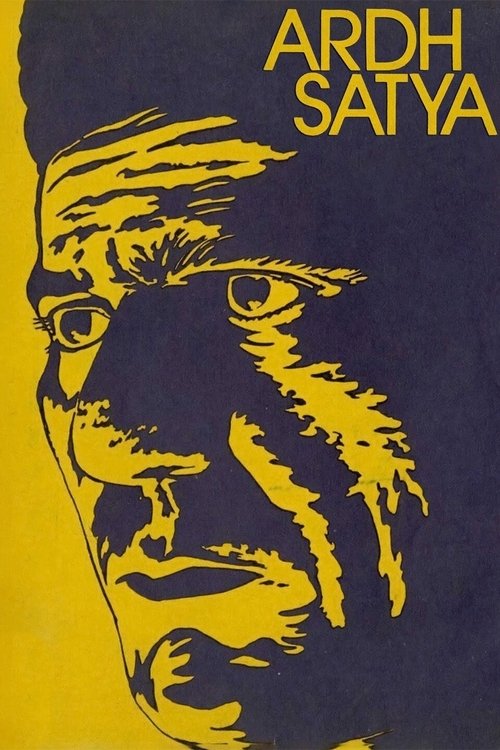
Ardh Satya is a powerful critique of systemic corruption that challenges the typical 'heroic cop' narrative. It presents a nuanced exploration of how institutional corruption undermines personal integrity and moral clarity. The film's strength lies in its post-colonial perspective, framing state authority as a compromised and morally ambiguous entity. It effectively highlights the psychological impact of navigating a corrupt system. However, the film lacks representation in several key areas, such as LGBTQ+ identities and disabilities. Additionally, the gender dynamics remain rooted in traditional, patriarchal structures.
Category Breakdown
The film doesn't include any LGBTQ+ characters or explore non-straight relationships. It focuses on the protagonist's socio-political and professional challenges within a traditional urban setting.
The story centers around a male-dominated police force, reflecting patriarchal structures. While female characters aren't portrayed as submissive, they often suffer emotionally due to the protagonist's professional struggles.
The film offers an authentic look at the urban Indian social fabric. It avoids whitewashing by highlighting the specific ethnic and class realities of a post-colonial society.
The narrative provides a sophisticated critique of Western-inherited institutions. It portrays the legal and police systems as corrupt structures that perpetuate inequality rather than protect order.
There is no significant or intentional focus on physical or neurodivergent disabilities within the main storyline.
Present on Screen
Limited or Absent
Official Synopsis
A newly appointed police rookie deals with corruption, romance, and brutality.
2003

2011

1987
2010

2015
1993
1999

2015
No reviews yet. Be the first to share your thoughts on this movie!
Use the rating form above to leave a star rating and optional review.