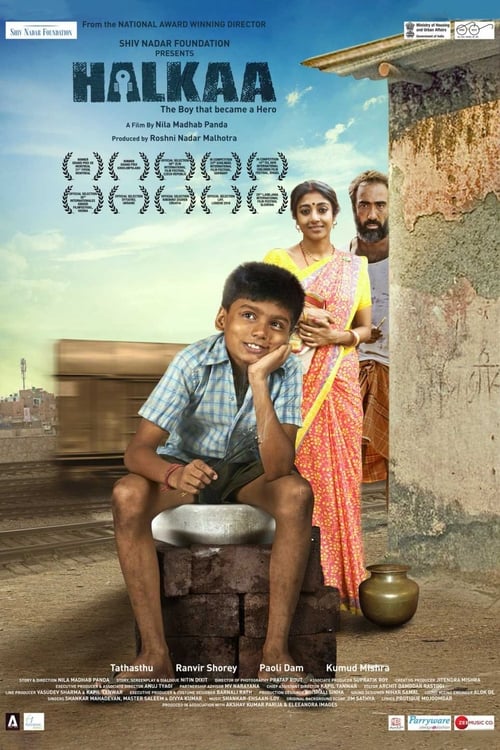
Halkaa
2018
No user ratings available yet
Representation score: 3.6 out of 10
Representation Score
Limited
2019
Director
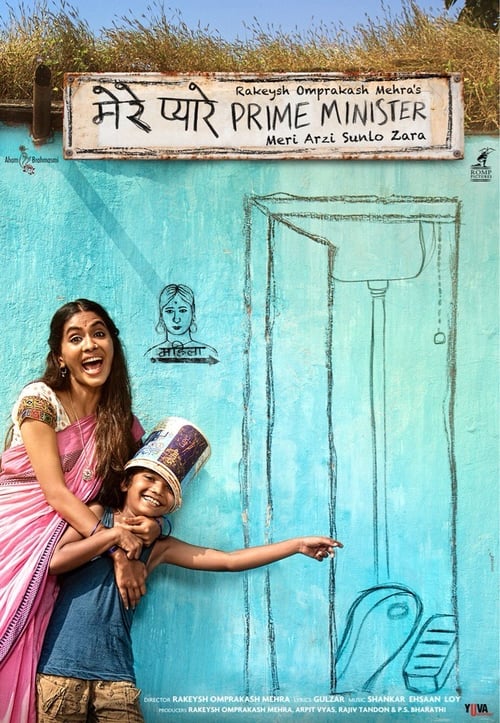
Rakeysh Omprakash Mehra
Runtime
104 minutes
Average Rating
No ratings yetNew Showbiz Analysis
The film functions as a social realist drama that emphasizes class-based visibility. It employs the perspective of children in a Mumbai slum to highlight grassroots struggles and high-level governance. While the narrative effectively centers underrepresented socio-economic groups, it lacks representation in other key areas. There is no evidence of LGBTQ+ or disability-focused storytelling within the current framework. Ultimately, the film's strength lies in its potential to critique systemic power dynamics through the lens of childhood innocence and the lived experiences of the underserved.
Category Breakdown
The film does not include any LGBTQ+ characters or explore non-assuming gender matches what was assigned at birth identities. It does not address themes related to sexual orientation or gender identity.
Female characters, particularly the protagonist's mother, play significant roles in driving emotional plot points. However, the film does not delve into how these roles intersect with traditional gender hierarchies.
By focusing on a Mumbai slum, the film highlights underrepresented socio-economic demographics. It shifts the usual focus on affluent urban populations to emphasize a specific class-based reality.
The story uses a child's letter to the Prime Minister to critique state responsiveness. This approach dismantles idealized national narratives in favor of localized, complex realities.
There is no mention of characters with physical, sensory, or neurodivergent disabilities. The documentation does not provide any information regarding disability representation.
Present on Screen
Limited or Absent
Official Synopsis
A story about four children living in a Mumbai slum in India. An eight-year old Kanhu writes a letter to the Prime Minister after a dramatic incident with his mother.
2018

1988
2014
2004
2011

2005
2017
2004
No reviews yet. Be the first to share your thoughts on this movie!
Use the rating form above to leave a star rating and optional review.