
Charulata
1964
No user ratings available yet
Representation score: 4.6 out of 10
Representation Score
Fair
1975
Not RatedDirector
Marguerite Duras
Runtime
115 minutes
Average Rating
No ratings yetNew Showbiz Analysis
Marguerite Duras’s film is a sophisticated deconstruction of Western imperialist structures. It succeeds by challenging traditional narrative hierarchies and examining the decay of colonial hegemony through a formalist lens. While the film excels in its critique of colonial power dynamics and its portrayal of women's ability to drive the story, it lacks any meaningful representation of LGBTQ+ identities. The focus remains heavily centered on heterosexual dynamics. Ultimately, the work is a study of isolation and political transition. It highlights the fragility of the colonial order rather than exploring a broad spectrum of human identities.
Category Breakdown
The film centers on the heterosexual romantic and sexual tensions of the main character. It does not include any explicit depiction of queer subtext or non-cisgender identities.
Anne-Marie Stretter navigates desire within a restrictive hierarchy as a central female protagonist. The film challenges traditional gender hierarchies by emphasizing her internal psychological state over male authority.
The film explores the colonial gaze through the relationship between a white French woman and a man of Indochinese descent. It offers a nuanced view of racial power dynamics.
The film critiques Western institutional stability and colonial administration. It portrays the Western presence in Indochina as a fragile, decaying entity prone to systemic dissolution.
The film does not depict physical or neurodivergent disabilities. The focus remains on the psychological and political states of the characters.
Present on Screen
Limited or Absent
Official Synopsis
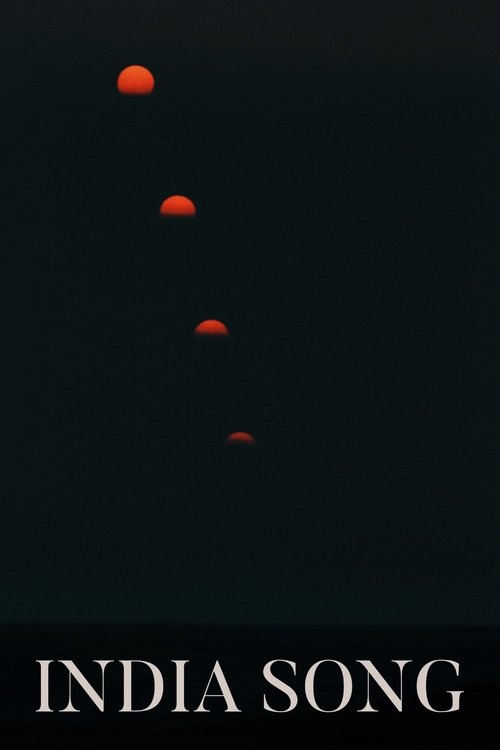
Anne-Marie Stretter, the wife of a French diplomat in 1930s India, takes many lovers to relieve the boredom in her life.
1964
1992

1974

1996

1974

1969

1967

1993
No reviews yet. Be the first to share your thoughts on this movie!
Use the rating form above to leave a star rating and optional review.