
Nothing But a Man
1964
No user ratings available yet
Representation score: 4.4 out of 10
Representation Score
Fair
1968
Not RatedDirector
Melvin Van Peebles
Runtime
87 minutes
Average Rating
No ratings yetNew Showbiz Analysis
Melvin Van Peebles presents a groundbreaking work that challenges 1960s dramatic conventions. By placing a Black man at the center of a European landscape, the film avoids common domestic clichés and explores the complexities of racial identity and systemic prejudice. The film's strength lies in its refusal to conform to standard depictions of Black masculinity. Instead, it delves into the psychological toll of navigating personal desires and institutional duties. This provides a sophisticated, post-colonial perspective on the individual versus the state. While the film lacks LGBTQ+ or disability representation, its progressive value is in its structural defiance. It uses the protagonist's isolation to critique the military and the limitations of ability to act in a prejudiced world.
Category Breakdown
The film focuses on a heterosexual relationship between a Black American soldier and a French woman. There are no queer undertones or non-cisgender identities explored in the story.
The story challenges typical masculine stereotypes by highlighting the protagonist's emotional sensitivity. It focuses on his psychological struggles rather than portraying him as an unshakable hero.
A Black American man holds a central role in a European setting, breaking mid-century cinematic norms. The film uses his experiences to explore racial prejudice and personal ability to act.
The narrative criticizes Western military institutions as oppressive systems. It highlights the tension between personal freedom and the constraints imposed by institutional duty.
There are no prominent depictions of physical or neurodivergent disabilities within the film's themes.
Present on Screen
Limited or Absent
Official Synopsis
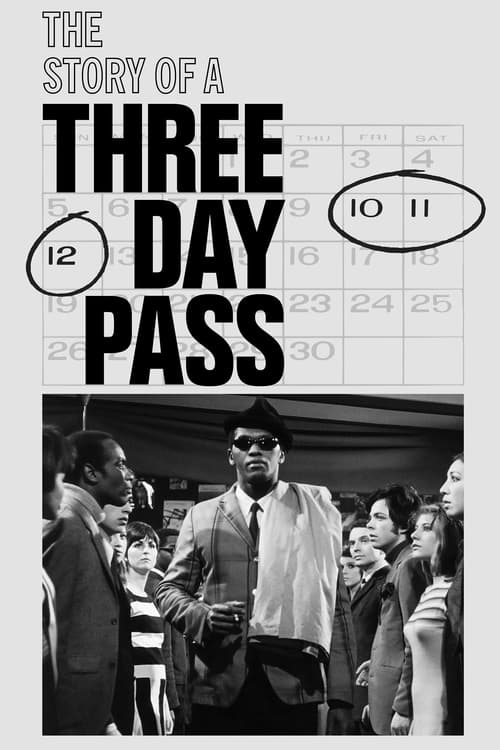
Turner, a black American soldier, is given three days leave in Paris. Not knowing what to do with himself, he goes to a nightclub where he meets a French girl named Miriam. Their romance blossoms, but their love affair is darkened by Turner's impending departure and the specter of racial prejudice.
1964

1973
1971
1965
1964

1971

1982

1960
No reviews yet. Be the first to share your thoughts on this movie!
Use the rating form above to leave a star rating and optional review.