Pure
2002
No user ratings available yet
Representation score: 7.7 out of 10
Representation Score
Excellent
2020
Director
Pierre Monnard
Runtime
101 minutes
Average Rating
No ratings yetNew Showbiz Analysis
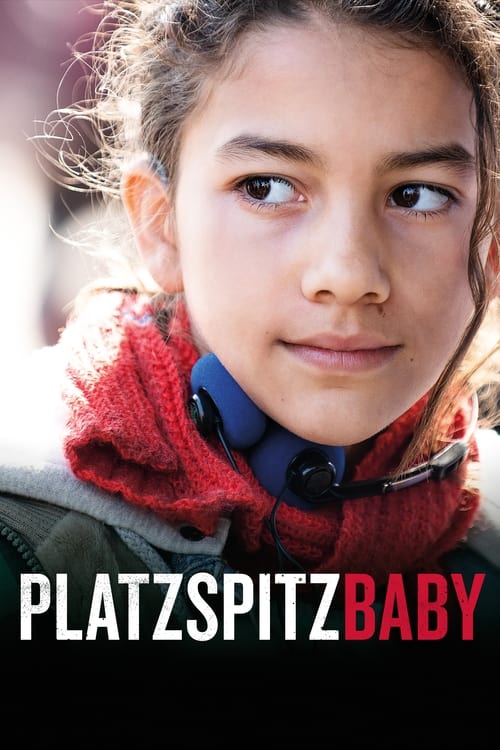
Needle Park Baby is a gritty character study that prioritizes the lived experiences of underrepresented individuals over sanitized moral structures. It succeeds in deconstructing traditional domesticity by framing the family unit as a site of trauma rather than stability. The film's strength lies in its focus on individual resilience and the role of a child navigating systemic failure. It avoids mainstream clichés to offer a naturalistic view of social fringes. However, the film remains localized in its scope, focusing more on class and psychological instability than on racial the way different parts of someone's identity overlap or overt LGBTQ+ representation.
Category Breakdown
The film explores non-traditional social structures through misfit circles. However, it lacks explicit on-screen evidence of queer identities or romantic pairings.
Mia’s journey provides a nuanced look at female autonomy. The film challenges traditional archetypes by portraying a mother who is a source of chaos rather than a nurturing figure.
The narrative focuses on socio-economic displacement within a localized Swiss setting. There is no specific evidence of a multi-ethnic cast to suggest high racial diversity.
The story deconstructs Western ideals of the stable family unit. It celebrates non-conformist social groups and rebellion as essential tools for survival and empowerment.
Mental health and neurodivergence are explored through Mia’s imaginary friend and the impact of addiction. These elements serve as central pillars of her psychological landscape.
Present on Screen
Limited or Absent
Official Synopsis
Spring 1995 - after the closure of the Needle Park and the public drug scene in Zurich, eleven-year-old Mia and her heroin addicted mother Sandrine are relocated to the countryside. While caring for her mother, Mia spends time with her imaginary friend and a gang of local teenage misfits. These friendships finally give her the strength to rebel and break free from her abusive mother.
2002
2019

2017
1982
2018
1979

2005

2015
No reviews yet. Be the first to share your thoughts on this movie!
Use the rating form above to leave a star rating and optional review.