Veronika Voss
1982
No user ratings available yet
Diversity score: 5.1 out of 10
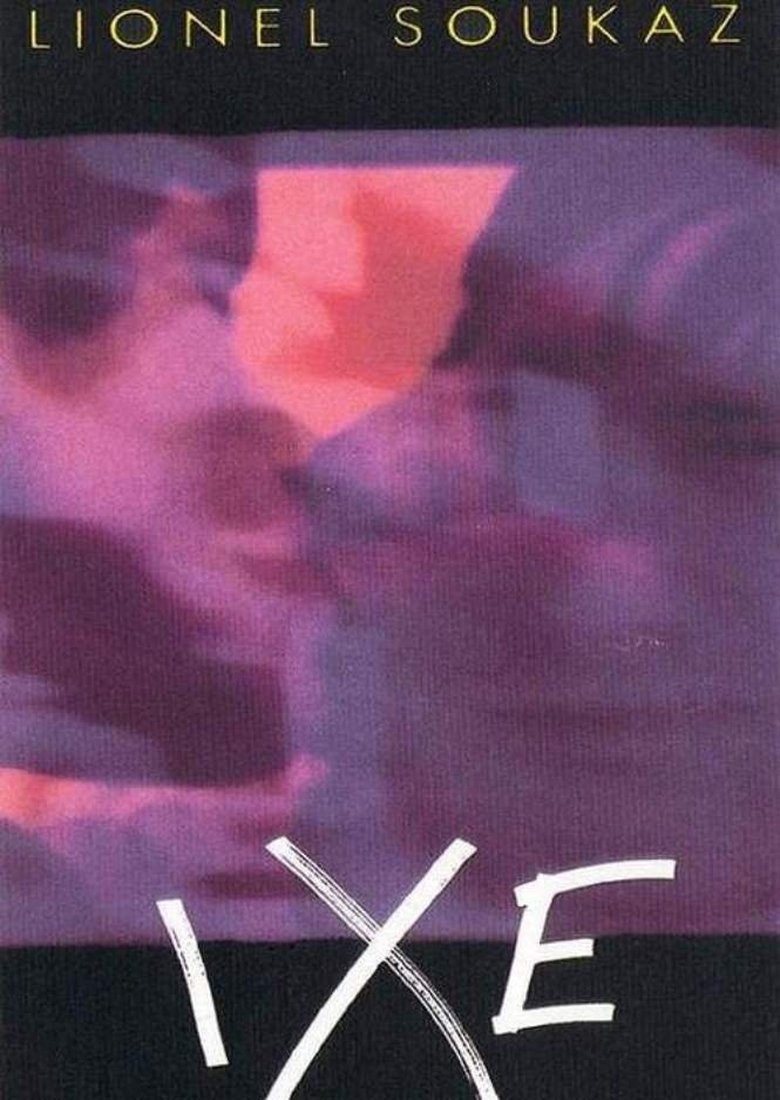
1980
Director
Lionel Soukaz
Runtime
48 minutes
Average Rating
No ratings yetSynopsis
“Ixe (written X and pronounced EEKS – as it is pronounced in French –, like a scream, a wound) is an imploded, crucified film. Made to be projected on four screens at once, X is drawn and quartered. At the four points of the compass, at the four ends of the cross, War, Sex, Religion and Drugs, the double exposures, the colliding glimpses the eye barely recognizes, the skilful repetitions of themes, remind us that Sex is also the war of bodies, and the pope, the Drug of the people. And the story of this young man, shooting up in order to experience all the horror of the world in front of his TV set, reminds us that the heroin orgy is indeed the subjective locus of the monsters of the modern unconscious.” - Guy Hocquenghem
Overall Score
Good
Category Breakdown
LGBTQ+ Representation
The film explores the 'war of bodies' and non-normative desire. While specific identities are not named, the thematic focus suggests a challenge to heteronormative stability.
Gender Representation
The narrative disrupts romantic tropes by framing sex as a site of conflict. However, the specific agency of female characters is not clearly established.
Racial & Ethnic Diversity
There is no information available regarding the racial composition of the cast or specific ethnic narratives within the film.
Religious & Cultural Diversity
The film offers a profound critique of Western institutions like religion and war. It deconstructs traditional social structures to explore the modern unconscious.
Disability Representation
Themes of psychological distress and sensory horror are central to the protagonist's experience. It remains unclear if disability is portrayed with agency or metaphorically.
Strengths
Areas for Improvement
AI Analysis
Ixe is a radical, fragmented experiment that uses a four-screen projection to dismantle traditional cinematic authority. It prioritizes a visceral, multi-perspectival exploration of human consciousness over conventional storytelling. The film excels in its systemic critique of Western pillars like religion and war. By framing these institutions as mechanisms of control, it achieves a high level of cultural deconstruction. However, the film's focus on subjective horror and bodily conflict leaves many demographic details obscured. The lack of clarity regarding racial and gendered agency limits a full assessment of its inclusivity.
1982
1966
1970
1981

2000
1977
1986
1993
1972
2005
1977
2005
No reviews yet. Be the first to share your thoughts on this movie!
Use the rating form above to leave a star rating and optional review.