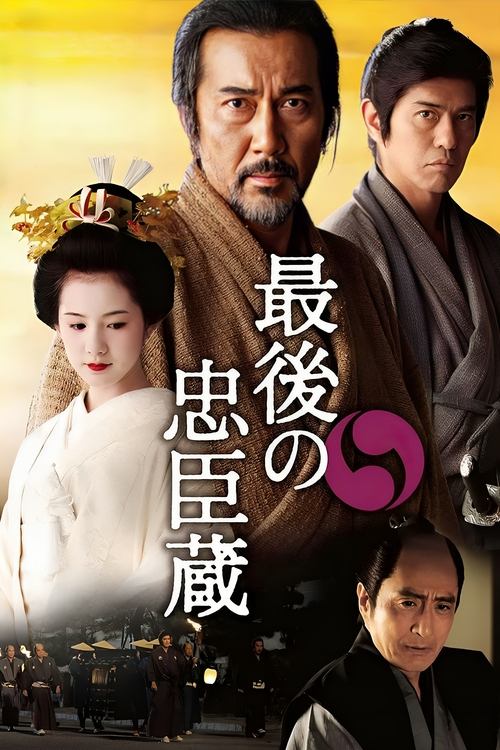
The Last Ronin
2010
No user ratings available yet
Representation score: 2.1 out of 10
Representation Score
Fair
2022
Director
Takashi Koizumi
Runtime
114 minutes
Average Rating
No ratings yetNew Showbiz Analysis
The film stands out from typical samurai epics by focusing on ideological conflict rather than martial prowess. By centering a protagonist who views his social caste as a restraint, the story delves into a complex exploration of systemic change. While the narrative provides a sophisticated critique of feudalism and Japanese identity, it remains confined by its traditional historical framework. The focus on male-dominated political structures and a homogeneous cast limits broader representation. Ultimately, the film excels as a character-driven drama that disrupts the 'loyal warrior' cliché, favoring ideological evolution over simple heroism.
Category Breakdown
The film does not explicitly depict LGBTQ+ identities or relationships that challenge the assumption that everyone is straight. The story focuses on the political and feudal tensions of the Boshin Civil War.
The story centers on masculine codes of loyalty and vassalship within the samurai class. It is unclear whether the film challenges traditional gender hierarchies or reinforces patriarchal leadership.
The cast is culturally homogeneous, reflecting the Japanese setting of the Edo period. However, it explores national identity through the pressures of Westernization.
The film critiques established systems by framing the protagonist's desire for neutrality as a challenge to feudal loyalty. It prioritizes individual ability to act over rigid clan hierarchies.
There is no mention of characters navigating physical or neurodivergent disabilities within the narrative.
Present on Screen
Limited or Absent
Official Synopsis
In the turbulent last days of the Edo period, Kawai Tsugunosuke, a Japanese samurai serving the Makino clan of Nagaoka, dreamt of independence from the restraints of vassalship. Despite his progressive views and his desire for his estate to remain neutral during the Boshin Civil War, he was bound by loyalty and duty to the clan and was compelled to choose sides.
2010

1999
1969
2003
1964
2006
2015
1990
No reviews yet. Be the first to share your thoughts on this movie!
Use the rating form above to leave a star rating and optional review.