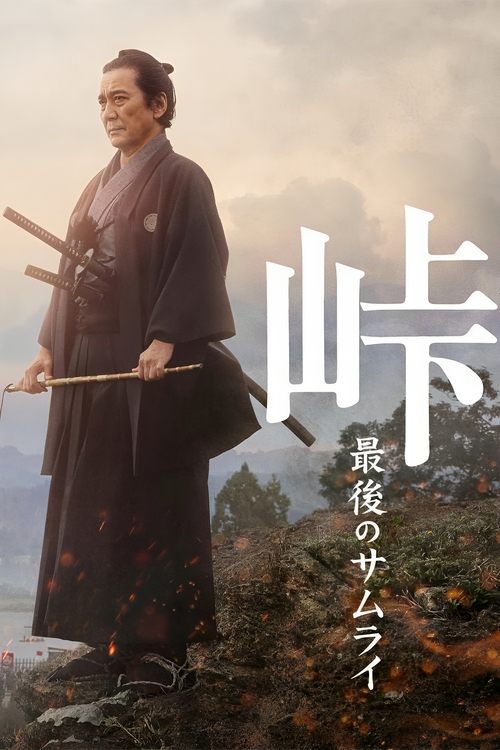
The Pass: Last Days of the Samurai
2022
No user ratings available yet
Representation score: 5.5 out of 10
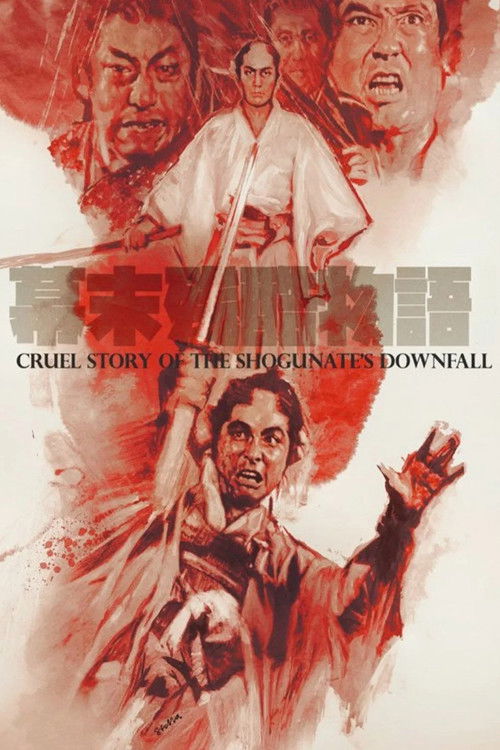
Representation Score
Minimal
1964
Director
Tai Katō
Runtime
99 minutes
Average Rating
No ratings yetNew Showbiz Analysis
Tai Katō’s film is a gritty deconstruction of the jidaigeki genre that prioritizes moral ambiguity over stylized heroism. While it lacks demographic diversity, it offers a sophisticated critique of institutional stability and power. However, the film remains tied to the social hierarchies of its setting, offering little subversion of gender or sexual identity.
Category Breakdown
The film does not include any LGBTQ+ characters or narratives. It focuses solely on the political and military conflicts of the Bakumatsu era.
Men are shown taking the lead in the story, while women are confined to the limited social roles of the 19th-century samurai class.
The cast consists of Japanese actors representing the historical Edo period. The film adheres to traditional ethnic representation without diverse casting.
The narrative effectively dismantles traditional institutions and highlights the systemic changes brought about by Western influence during the collapse of the Tokugawa Shogunate.
There are no characters with visible or invisible disabilities that serve as central narrative drivers or explored through an ability to act-based lens.
Present on Screen
Limited or Absent
Official Synopsis
A headstrong young man seeks to join the Shinsengumi, but while his determination impresses his superiors, questions begin to arise as to his true identity and intentions.
2022
1952
2010

1999
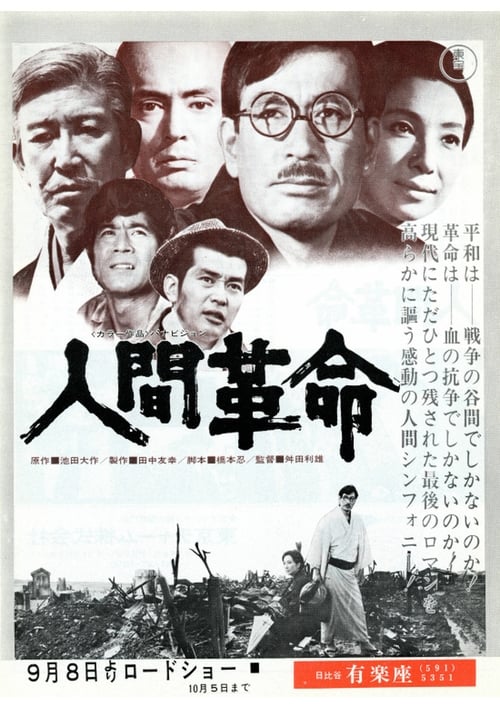
1973
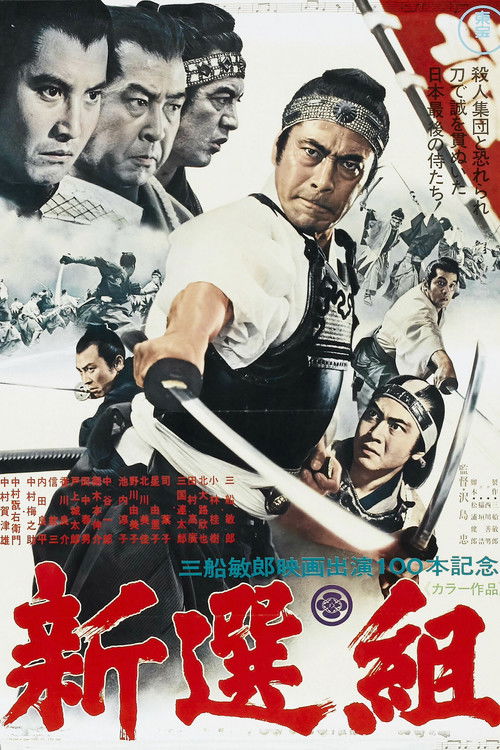
1969
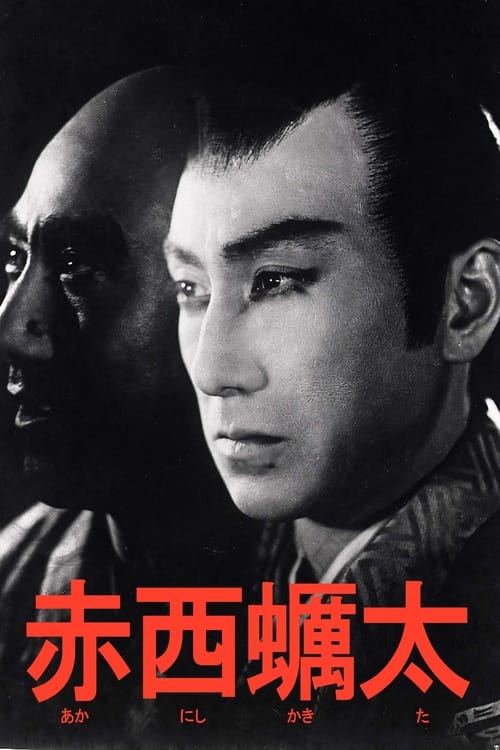
1936
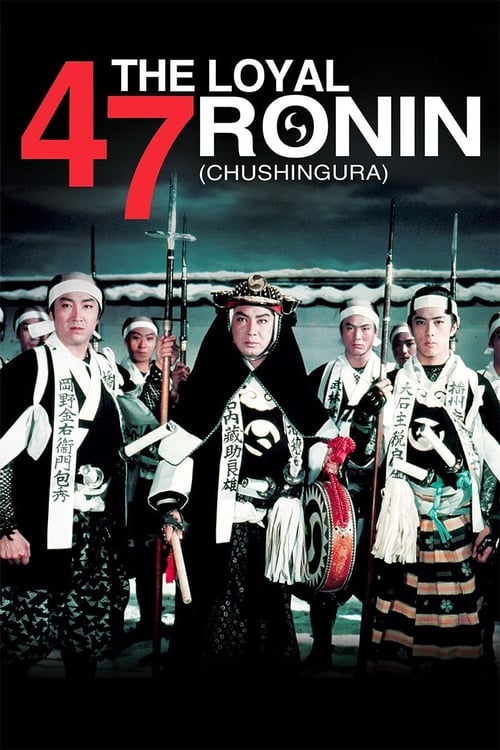
1958
No reviews yet. Be the first to share your thoughts on this movie!
Use the rating form above to leave a star rating and optional review.