Hollywood Extra Girl
1935
No user ratings available yet
Representation score: 1.2 out of 10
Representation Score
Minimal
1942
APPROVEDDirector
Herbert Moulton
Runtime
9 minutes
Average Rating
No ratings yetNew Showbiz Analysis
This documentary serves as a historical record of 1942, emphasizing traditional Western interests and social hierarchies. The subject matter—from Hemingway's hunting trips to dog training—reflects the homogeneous society of the time. The film lacks complexity, offering minimal representation for LGBTQ+ individuals, people of color, or those with disabilities. It adheres closely to the media norms of the early 1940s. While Hedda Hopper's role provides some visibility for women, the film does not challenge the social and gender norms of the era.
Category Breakdown
The film does not include any characters or stories related to LGBTQ+ identities. The focus on traditional activities like dog training and hunting does not explore multi-layered themes.
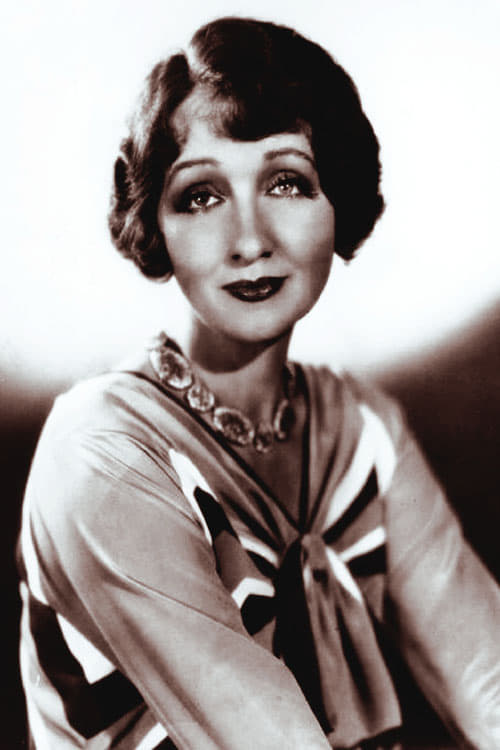
Hedda Hopper's presence as a prominent female journalist offers some visibility. However, the documentary may reinforce mid-century gender roles without showing women challenging traditional hierarchies.
The film focuses on white, Western subjects typical of 1942. There is no indication of characters of color having significant roles or diverse representation.
The film highlights Western leisure activities such as hunting and dog training. It reinforces the cultural norms of the 1940s without providing a critical perspective.
The film does not mention individuals with visible or invisible disabilities. There is no representation for the disabled community.
Present on Screen
Limited or Absent
Official Synopsis
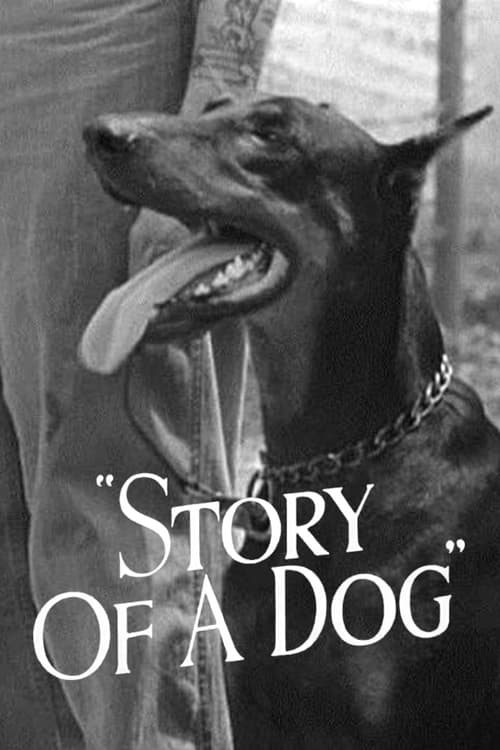
Hedda reports on a dog training school and a Hemingway hunting trip.
1935
1935
1939
1963
1945
1941
1936

1940
No reviews yet. Be the first to share your thoughts on this movie!
Use the rating form above to leave a star rating and optional review.