
Cecil B. DeMille: American Epic
2004
No user ratings available yet
Representation score: 1.8 out of 10
Representation Score
Minimal
1961
Director
Marshall Flaum
Runtime
52 minutes
Average Rating
No ratings yetNew Showbiz Analysis
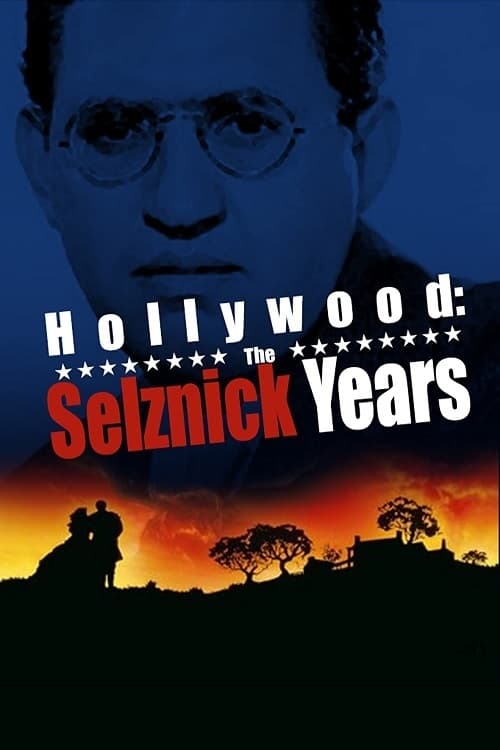
This documentary serves as a historical tribute to the Golden Age of Hollywood, specifically celebrating the career of David O. Selznick. Because it functions as a preservation of mid-20th-century studio history, the content naturally reflects the social and demographic hierarchies of that period. The narrative structure prioritizes the legacy of the 'auteur producer,' a role historically defined by male leadership. Consequently, the film reinforces traditional industry structures rather than challenging them. Ultimately, the work acts as a period-specific archival document. It seeks to codify and honor the established cinematic status quo of the 1930s and 40s rather than providing contemporary social commentary.
Category Breakdown
The documentary focuses on the professional achievements of David O. Selznick. It operates within the traditional social constraints of 1961, offering no explicit depictions of non-straight relationships.
The film centers on the male-dominated role of the auteur producer. While Selznick's films featured female leads, the narrative reinforces historical hierarchies and male leadership.
The retrospective reflects the era's lack of racial integration and homogeneous casting. It adheres to the demographic norms and racial hierarchies prevalent in the 1930s and 40s.
The film celebrates Western cinematic achievement and the Hollywood studio system. It emphasizes the 'great man' theory of history rather than offering any institutional critique.
There is no indication that disability or neurodivergence are central themes. The subject matter remains focused on the production legacy of the studio era.
Present on Screen
Limited or Absent
Official Synopsis
Henry Fonda hosts this retrospective on the career and films of iconic filmmaker David O. Selznick, who epitomized the era of the auteur producer in the 30s and 40s.
2004

1995
2013

2018
1985
1999
1993

1988
No reviews yet. Be the first to share your thoughts on this movie!
Use the rating form above to leave a star rating and optional review.